World Center for Strategic Studies
From closed analysis to public debate

- MONTH
- YEAR

Germany’s Pessimism Trap: Fear Is Becoming Policy
Germany is talking itself into paralysis.
This IP Quarterly examination argues that a deepening culture of pessimism is now shaping German politics, economics and security choices – and not for the better.
Public debate is dominated by decline narratives, threat inflation and a belief that everything is getting worse at once.
That mood is bleeding into policy, slowing decisions and shrinking ambition.
The danger is not criticism – it is a national mindset that treats caution as virtue and hesitation as wisdom.
Fear crowds out confidence
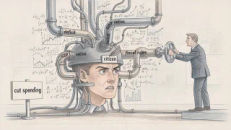
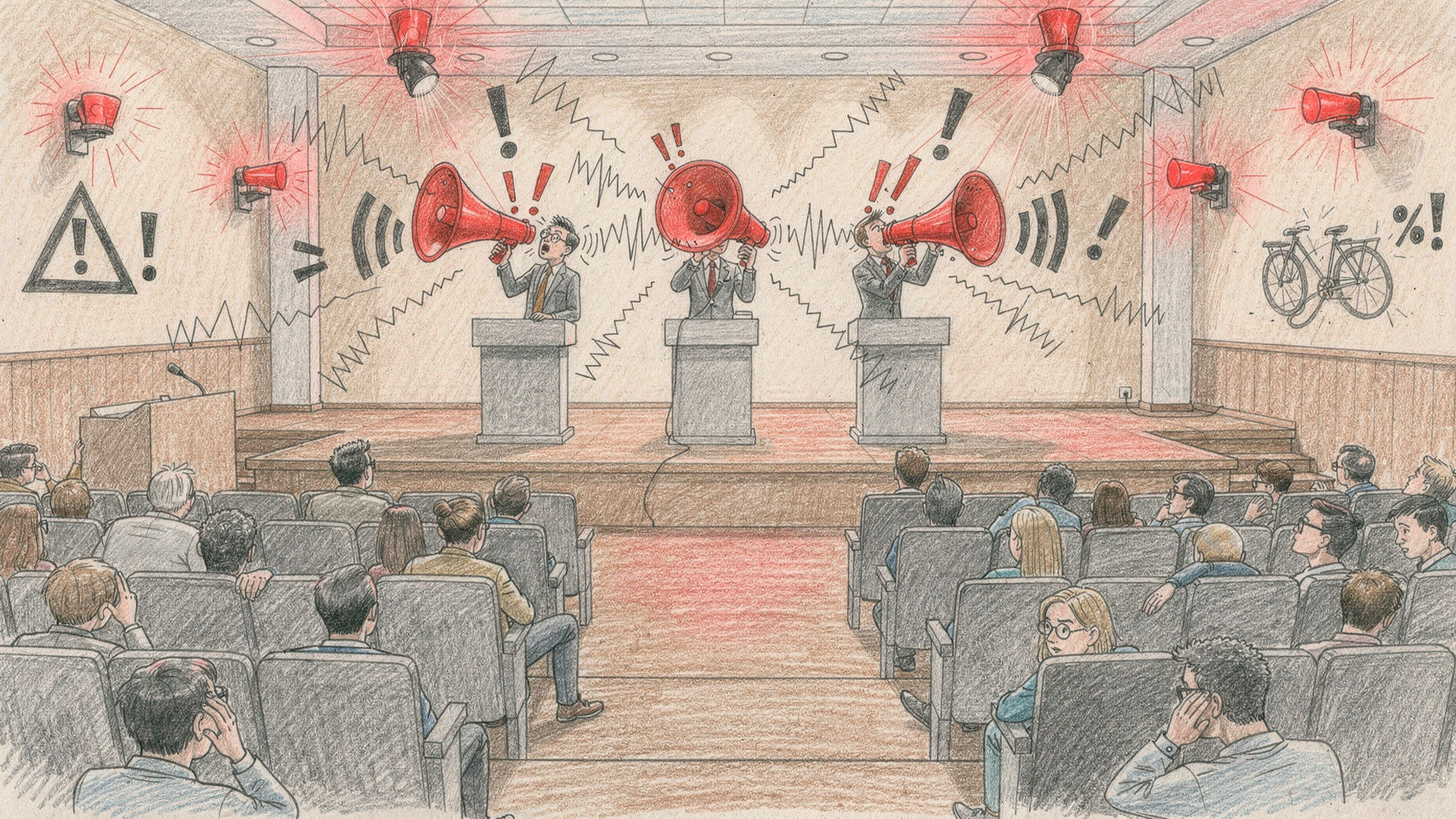
The text shows how German discourse has shifted from problem-solving to anxiety management. Climate, migration, war, technology – every issue is framed as a looming disaster. This constant alarmism exhausts public trust and narrows political space for reform.

Risk avoidance becomes a reflex
Germany’s instinct is increasingly to delay, regulate or opt out. Big projects stall, defence commitments drag, digital investment hesitates. The country that once planned long-term now defaults to incrementalism, mistaking restraint for responsibility.
Security worries freeze decisions
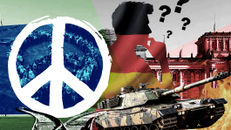
Russia’s war and wider instability have exposed Germany’s unreadiness. Yet instead of accelerating change, fear often hardens resistance – against higher defence spending, deeper military engagement, or bolder leadership in Europe.
Migration debate turns toxic
Pessimism sharpens social tension. Migration is discussed less as a governance challenge and more as a threat narrative, feeding polarisation and political fatigue. The result is tougher rhetoric without coherent long-term solutions.
Economic strength undermined from within
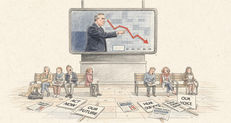
Germany’s economy is still strong by European standards, but confidence is eroding. Companies hesitate to invest, households save instead of spend, and innovation slows. The analysis suggests pessimism itself is becoming an economic drag.
Leadership vacuum widens
When fear dominates, leaders manage moods instead of setting direction. Germany waits for consensus that never fully arrives, leaving others to set the pace on security, technology and industrial policy.
The uncomfortable truth: Germany is frightening itself.
Pessimism has become a self-inflicted constraint.
If Germany cannot recover a sense of agency and proportion, its problems will look bigger than they are – and its answers smaller than required. A country that expects decline is already halfway there.