World Center for Strategic Studies
From closed analysis to public debate

- MONTH
- YEAR

Europe’s energy mess isn’t over: the EU is still paying the price for its own mistakes
This HCSS “Draghi Report Revisited” piece warns that Europe’s energy crisis may have slipped out of the headlines, but the underlying weakness is still there – and it is costing the EU dearly. Europe has reduced its dependence on Russian gas, but it has replaced one vulnerability with several new ones: high prices, unstable supply routes, and a transition strategy that is politically fragile and economically expensive. The paper’s message is grim – without a tougher, more realistic energy strategy, Europe risks permanent loss of competitiveness.
Europe got rid of Russian gas, but didn’t solve the core problem
Yes, Europe has cut Russian pipeline gas, diversified supply and built more LNG capacity. But the analysis makes clear this is not a victory story. Europe has not “won” energy security – it has bought temporary stability at a high cost.
The EU still imports the bulk of its energy, and it remains exposed to global price shocks. When the world market tightens, Europe pays more. That means Europe’s energy system is still vulnerable, just in a different way.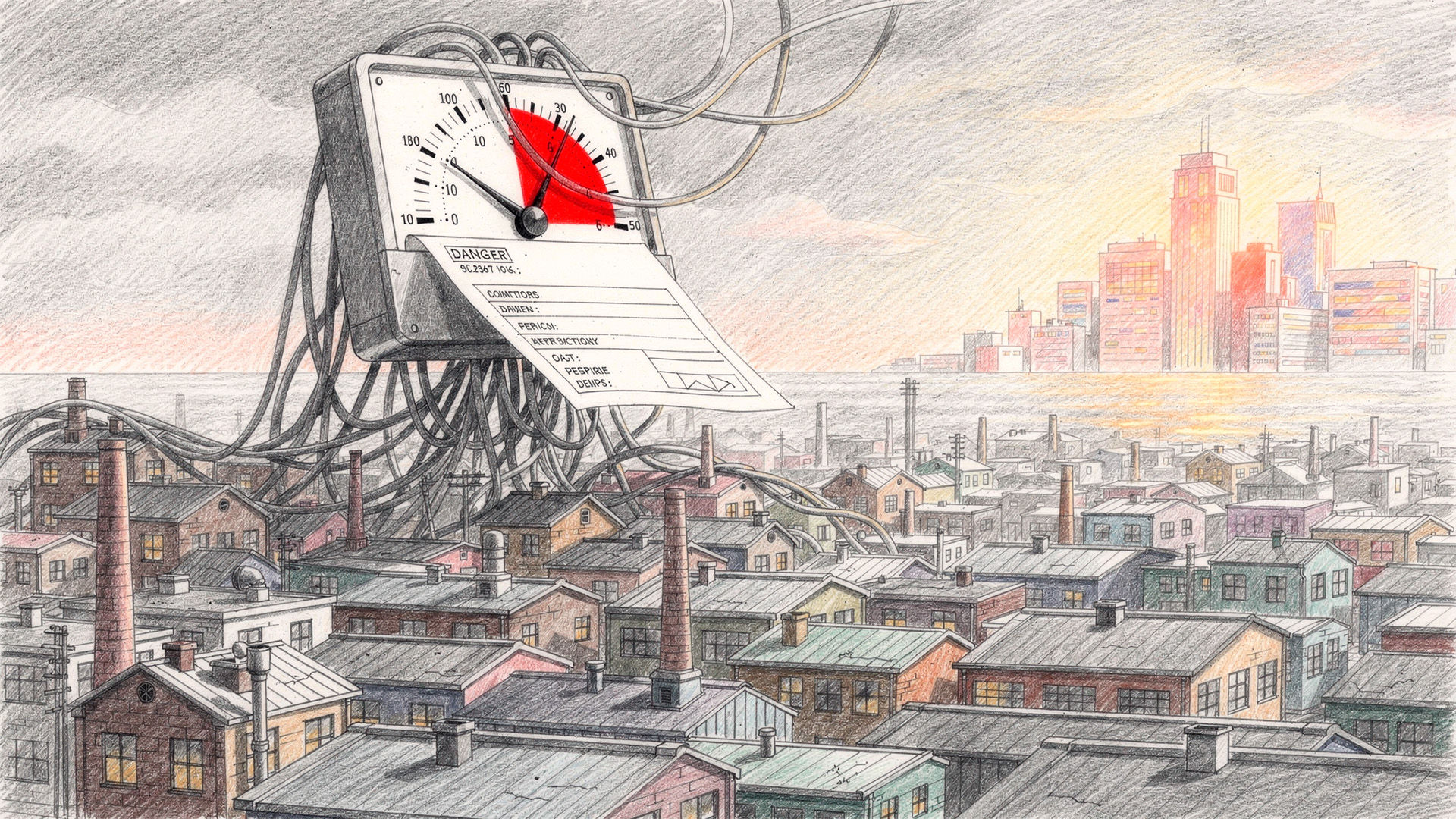

High prices are crushing Europe’s competitiveness
The biggest long-term damage is economic. Europe’s industry depends on affordable, reliable energy, and it is still not getting it. Even after emergency measures, European energy prices remain structurally higher than in key competitor regions, especially the United States.
This is a slow-motion disaster for European manufacturing. High energy costs push production abroad, kill investment, and weaken Europe’s industrial base – exactly when Brussels is promising “reindustrialisation”.
The energy transition is a political risk as well as an economic one
The paper signals another problem – Europe’s transition policy is fragile. Green targets are ambitious, but implementation is uneven and politically contested. High costs, grid constraints and public backlash threaten to slow progress.
Europe is trying to run two systems at once: phasing out legacy fuels while building a new clean-energy system at scale. That is expensive and complex, and Europe does not have unlimited social patience for it.
Infrastructure bottlenecks are holding Europe back
Europe’s energy transition is not just about generation – it is about infrastructure. Grids need upgrades, interconnectors need expansion, storage needs scaling, and permitting needs to move faster.
HCSS highlights how delays in infrastructure investment and slow permitting processes create bottlenecks that keep prices high and weaken system stability. Europe keeps announcing targets, but its delivery machine cannot keep up.
New dependencies are creeping in through the back door
Europe may have reduced Russian gas dependence, but it is building new dependencies elsewhere – from LNG supply routes to critical raw materials for renewables and grids.
That means Europe’s energy future is tied to global supply chains that are increasingly weaponised and politically contested. Europe risks trading one geopolitical vulnerability for another.
What Europe needs: cheaper energy, faster build-out, fewer illusions
HCSS argues Europe must focus on practical outcomes: affordability, resilience, and industrial competitiveness. That means faster permitting, stronger investment in grids and storage, smarter market design, and a serious approach to securing supply chains.
Europe also needs a clearer view of the trade-offs. Energy security and competitiveness require hard choices, not just climate rhetoric.
The reality check
Europe’s energy crisis did not end – it simply changed shape. The EU is still stuck with high costs, infrastructure delays and new dependencies, while competitors enjoy cheaper energy and faster decision-making.
Unless Europe reforms its energy system and speeds up delivery, it risks locking itself into a future of permanently higher costs – and that could become one of the biggest reasons Europe keeps falling behind economically.

.jpg?tr=cm-pad_resize,w-231)