World Center for Strategic Studies
From closed analysis to public debate

- MONTH
- YEAR

Will Europe survive? A sobering warning says the EU is cracking under pressure
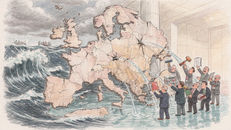
This Stimson Center Trialogue episode with Glenn Diesen is a bleak diagnosis of Europe’s trajectory. The argument is not that Europe faces one single crisis – it’s that the continent is being pulled apart by multiple forces at once: the Ukraine war, US strategic dominance, economic decline, and a security mindset that is turning Scandinavia and Europe into a militarised frontline. Europe wants to look united and strong, but the discussion paints a continent losing independence, losing stability, and possibly losing the EU project itself.
Europe is being dragged into a long war with no off-ramp
A central theme is the West’s approach to the Ukraine war and what it means for Europe. The episode suggests Europe is locked into an escalation dynamic driven more by alliance politics than by European interests.
Instead of building a settlement path, Europe is becoming structurally tied to a long conflict that drains money, political attention and public patience. That is a dangerous position for a continent already dealing with economic stagnation and internal political fractures.
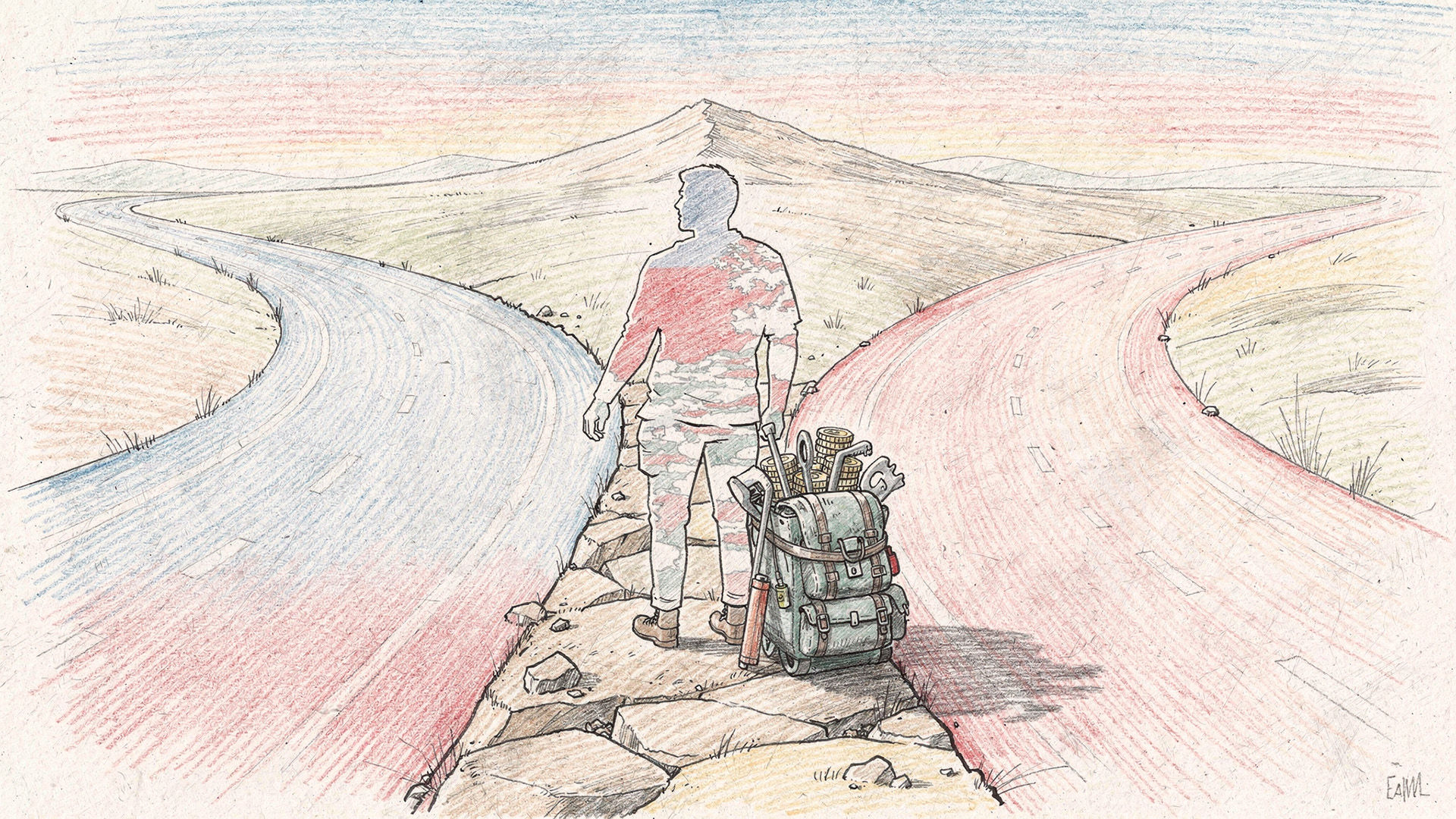

Scandinavia is ditching neutrality and turning into a frontline
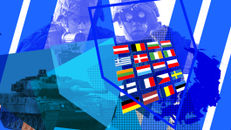
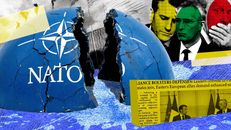
The militarisation of Scandinavia is treated as a major strategic shift. The discussion frames Nordic countries as moving away from older traditions of neutrality and restraint and deeper into NATO’s military posture.
This has consequences. It increases tension with Russia, expands Europe’s exposure to military escalation, and locks more European states into a security agenda shaped by Washington. Europe gains “protection”, but loses room to manoeuvre.
Europe’s US dependence is the real trap
One of the nastiest underlying points is that Europe cannot act independently because it is dependent on the US. The episode repeatedly returns to the idea that Europe’s strategic choices are constrained by American power – politically, militarily and even economically.
Europe likes to talk about sovereignty, but it behaves like a protectorate in key areas. That dependence also fuels divisions inside Europe, as different states calculate their own risks and benefits rather than pursuing a coherent European strategy.
European integration is starting to look fragile
The conversation raises the question many European elites hate: can the EU survive its current trajectory? The argument is that Europe’s internal contradictions are piling up.
Economic pain, political fragmentation, security paranoia, and differing national interests make integration harder, not easier. When stress rises, unity becomes performance. And once unity becomes performance, institutions start to crack.
Nord Stream, sabotage and the EU’s credibility crisis
The Nord Stream episode is used as a symbol of Europe’s weakness – a dramatic event with huge implications, followed by confusion, silence and political discomfort.
The suggestion is not just about the pipelines. It is about credibility. If Europe cannot protect, investigate or even openly discuss a major strike on strategic infrastructure, what does that say about European sovereignty?
Arctic competition and a new strategic squeeze
The episode also touches on rising competition in the Arctic, where strategic rivalry is growing and Europe’s northern flank becomes more exposed. This adds yet another pressure point on European security and resource policy.
In this picture, Europe is not a calm centre of stability. It is a contested zone, with more risk and less control.
What this means: Europe is losing control of its own future
The episode’s realist message is savage – Europe is drifting into a dangerous decade with less independence, less economic resilience, and more militarisation. It is being pulled into great-power competition without the strength to shape the outcome.
If Europe continues down this path, “survival” will not be about borders. It will be about whether the EU remains a coherent project at all – or fractures under the weight of wars, dependency and internal division.