World Center for Strategic Studies
From closed analysis to public debate

- MONTH
- YEAR

Germany’s Big Spend, Wrong Target: Europe Misreads Ukraine’s Lesson
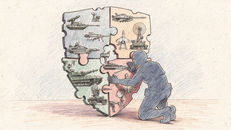
The analysis delivers a sharp warning about Germany’s latest spending plans, arguing that Berlin is drawing the wrong conclusions from the war in Ukraine. Faced with shock and fear, Europe’s biggest economy is opening the chequebook. But the piece says the money is being aimed at comfort and symbolism, not the hard capabilities the conflict actually demands. The result is movement without direction.
At its core, the article argues that Ukraine should have been a brutal tutor in modern warfare and resilience. Instead, Germany and much of Europe are responding with familiar habits – budget announcements, political signalling and fragmented programmes that look serious but change little on the ground. Spending rises, effectiveness does not.
Money flows, strategy lags
Germany’s plans focus on headline figures and broad commitments. The analysis shows how this creates the appearance of resolve while avoiding difficult choices about force structure, readiness and long-term sustainability.
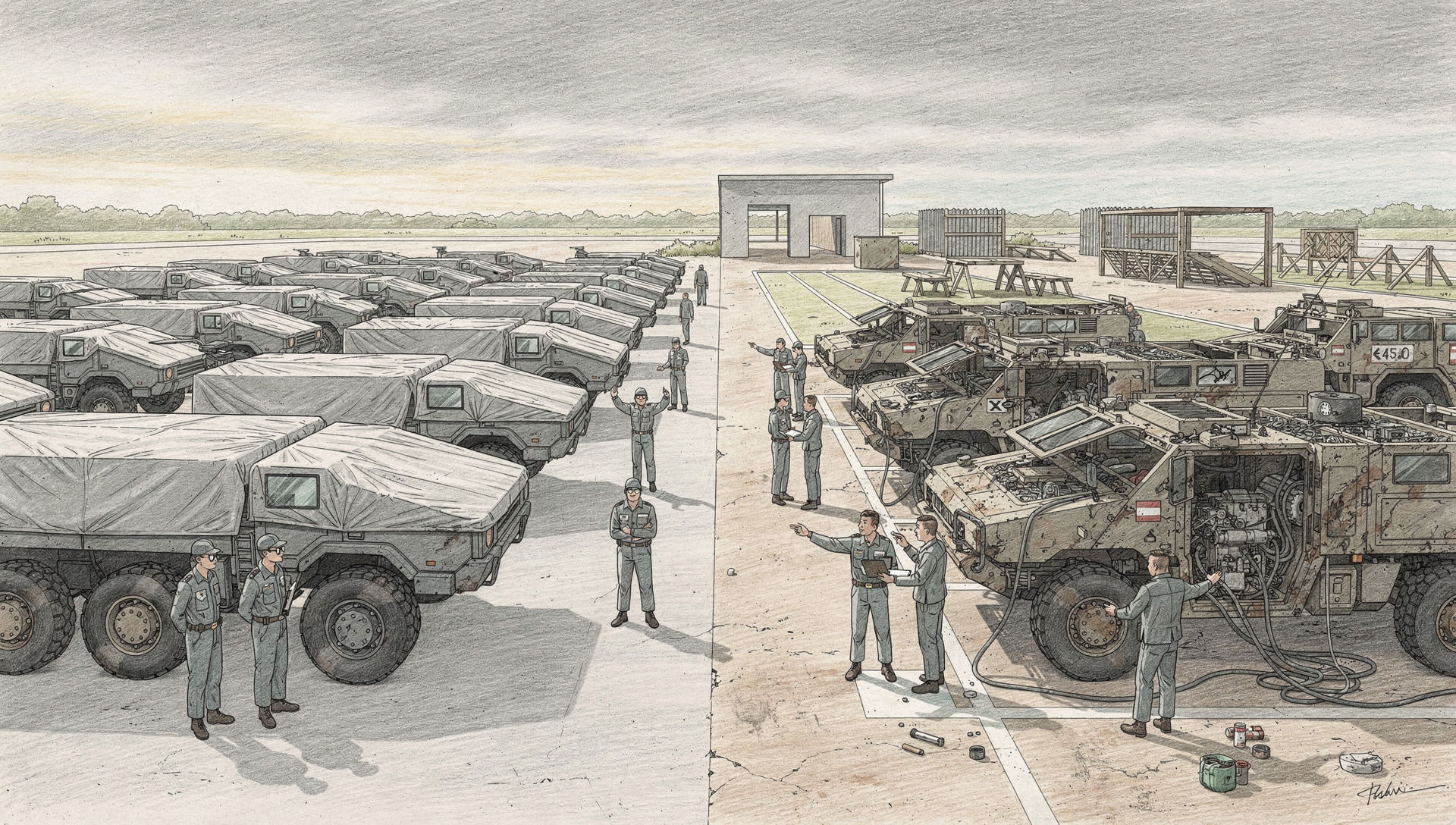
Ukraine’s real lesson ignored
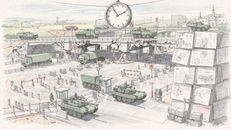
The war has highlighted the importance of stockpiles, industrial capacity, logistics and rapid decision-making. The paper argues that Germany’s approach still favours slow procurement and peacetime assumptions, missing what Ukraine’s experience actually proves.
Comfort politics over hard power
Spending is shaped by coalition compromise and domestic reassurance. The analysis stresses that this leads to diluted priorities and programmes designed to offend no one rather than deter adversaries.
Europe repeats the pattern
Germany is not alone. The paper frames Berlin as a symptom of a wider European reflex – responding to crisis with money first and strategy later. Coordination remains weak, duplication common.
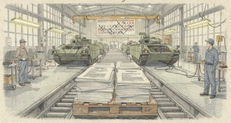
Industry still can’t deliver
Without reforming procurement and boosting production capacity, higher budgets mean little. The analysis warns that Europe risks paying more for the same delays and shortages.
Deterrence stays fragile
Adversaries judge capability, not announcements. The paper underlines that mismatched spending weakens deterrence by projecting seriousness without substance.
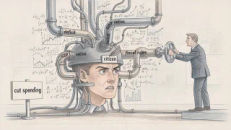
The warning sign: Spending is not thinking
Throwing money at defence without learning the right lessons is an expensive form of denial.
If Europe keeps mistaking budgets for strategy, the Ukraine war will be remembered not as a turning point but as a missed one. Germany may spend more, but unless it spends smarter, Europe remains louder, richer – and still exposed.