





Read news
Add bookmark
POPULAR
Oil? Gas? Fertilizer? Just Life.The ECB's bid to strengthen the euro's global roleGlobal Reordering, German Responses Germany Reflecting on How to Get Along with Global PowersGermany, China, and the End of the Post-Wall WorldA Ruthless Diagnosis. Europe More Paralyzed than DividedVenezuela, Oil, and US Energy Dominance: Implications for German PolicyNATO’s Internal Cohesion Is Being ThreatenedHow Europe Can Reduce Dependence on the United States
The website of the Barcelona Center for International Affairs (CIDOB) has posted the January issue of its CIDOB Opinion newsletter containing an article “How Europe can reduce dependence on the United States” by Francis Ghilès, the Center’s non-resident Senior Fellow.
The publication describes the situation in which the European Union has found itself, largely at its own fault, and suggests measures that could help the EU acquire strategic autonomy and reduce its dependence on the USA.
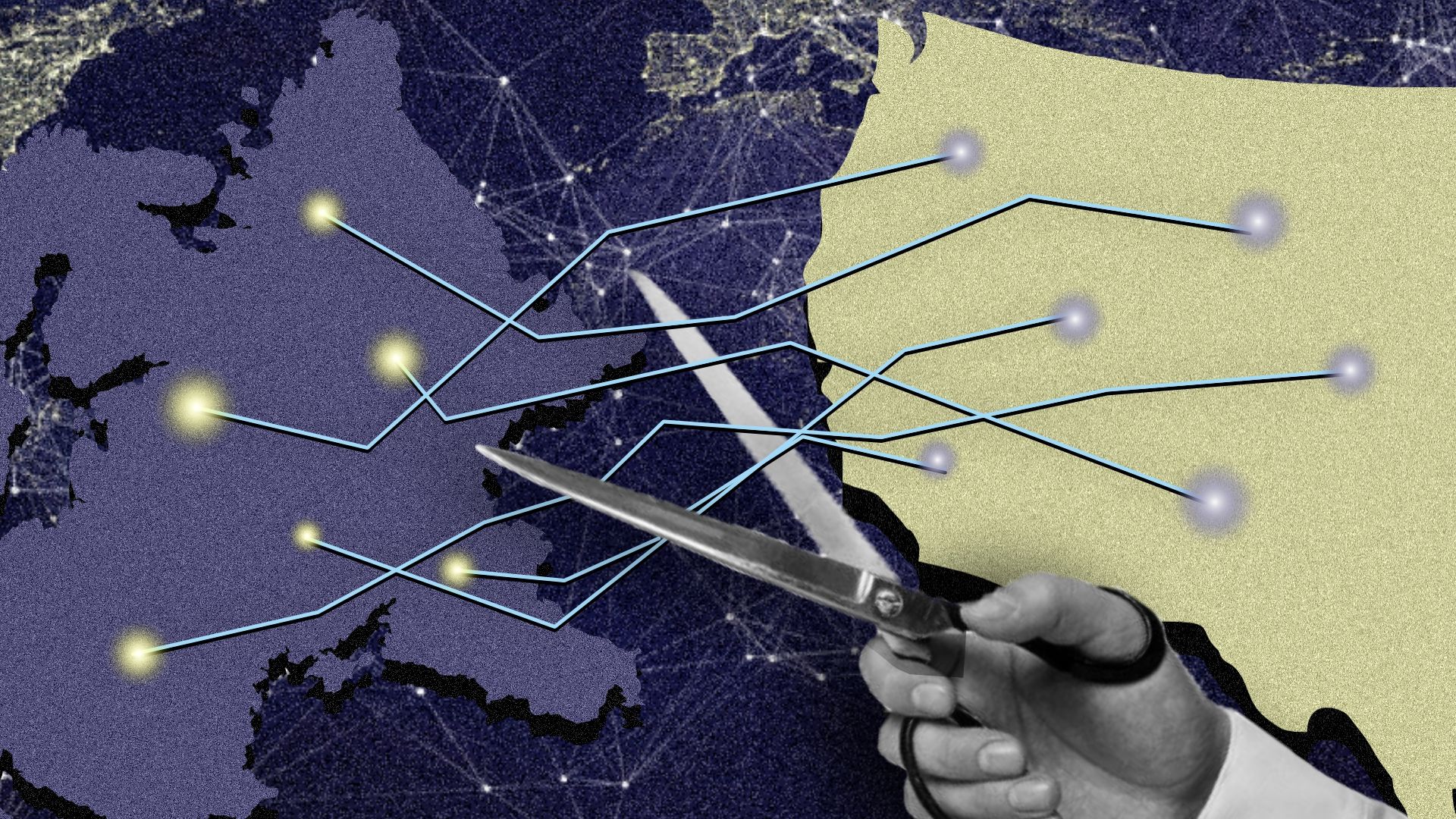
The European part of NATO and the EU have been strategically disoriented ever since the fall of the Berlin Wall when Europe suffered a collapse in strategic thinking. European countries have been bad at coordinating their geopolitical strategy, but can they coordinate something they do not have?
Back in 2003, the U.S. invasion of Iraq showed that that European dependence on the US would impose costs on the EU for the latter had made adherence to international legality a cornerstone of its own legitimacy.
In respect of Russia, the fundamental error was made in 2007 as the issue of NATO membership for Ukraine arose.
Europe’s acquiescence to Israeli atrocities in Gaza and the removal of President Nicolás Maduro in Venezuela has turned European claims to defend a ‘rules-based’ order into a fantastically bad joke in the eyes of the rest of the world.
NATO has suffered an unprecedented internal weakening due to Trump’s aggressiveness toward some of its allies and threats to Greenland’s sovereignty. Donald Trump continues thrashing multilateral institutions and trade agreements. The USA has control over cloud storage and the dollar payment system.
The EU lacks the escalation dominance that China enjoys vis-à-vis the USA in the conflict over rare earths.
If European countries once again find themselves enemies of Russia, their dependence on the USA risks being total.
The following measures are proposed that could reduce this dependence.
The European Union could activate its most potent trade weapon, the so-called Anti-Coercion Instrument (ACI) that could restrict American companies’ access to the single market. Emmanuel Macron suggested that on 18 January.
European investors own a USD 8 trillion worth of U.S. Treasury bonds and stocks. Their massive sell-off is impossible as that would amount to mutually assured destruction. European investors could however reduce their holdings in such instruments as Danish and some Dutch pension funds have started to do.
The experience of issuing Eurobonds, as was done under the European Union’s post-COVID-19 recovery program, could be repeated. Europe could also set up is own rating agency.
Reforms of this kind might be a better line of defense than mutual trade restrictions with the USA. They would deepen European capital markets, which was one of the key recommendations of the Draghi Report on European Competitiveness (2024).