World Center for Strategic Studies
From closed analysis to public debate

- MONTH
- YEAR

Europe vs Trump 2.0: The Comfort Zone Is Gone
The analysis lays out a stark scenario Europe has spent years hoping to avoid. A second Trump presidency would not just test transatlantic ties – it would rip away Europe’s remaining illusions about security, economics and self-reliance. The piece argues that Europe is dangerously underprepared for a United States that demands payment, loyalty and results, not gratitude or shared values.
At its core, the article says Trump 2.0 would force Europe into choices it has long postponed. Support for Ukraine, defence spending, industrial policy and economic resilience would all come under immediate pressure. The problem is not that Europe lacks plans. It is that most of them assume time, goodwill and American patience that may no longer exist.
Trump accelerates the reckoning
A transactional White House would move fast. The analysis stresses that Europe would face abrupt demands on NATO, Ukraine funding and trade, with little warning and less room to negotiate. Gradualism would fail instantly.
Ukraine support hits a cliff edge
The paper warns that US backing for Ukraine could weaken or become conditional. That would leave Europe exposed, financially and militarily, forcing it to choose between stepping up fast or watching Ukraine’s position deteriorate.
Defence gaps become unavoidable
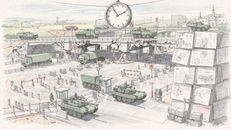
Europe’s military shortfalls are already well known. Under Trump, they would no longer be politely ignored. The analysis shows how ammunition shortages, weak production capacity and fragmented procurement would turn from technical problems into political crises.
Economic dependence bites back
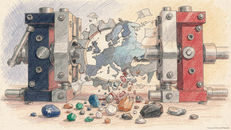
Trade, subsidies and supply chains would all be weaponised. The article highlights Europe’s vulnerability to US economic pressure, from industrial policy clashes to financial leverage it cannot easily counter.
Plans exist, power does not
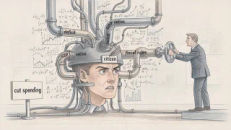
Europe has strategies on paper – defence initiatives, industrial plans, fiscal debates. The analysis argues these remain underpowered and underfunded, designed for a cooperative US rather than a confrontational one.
Unity frays under stress
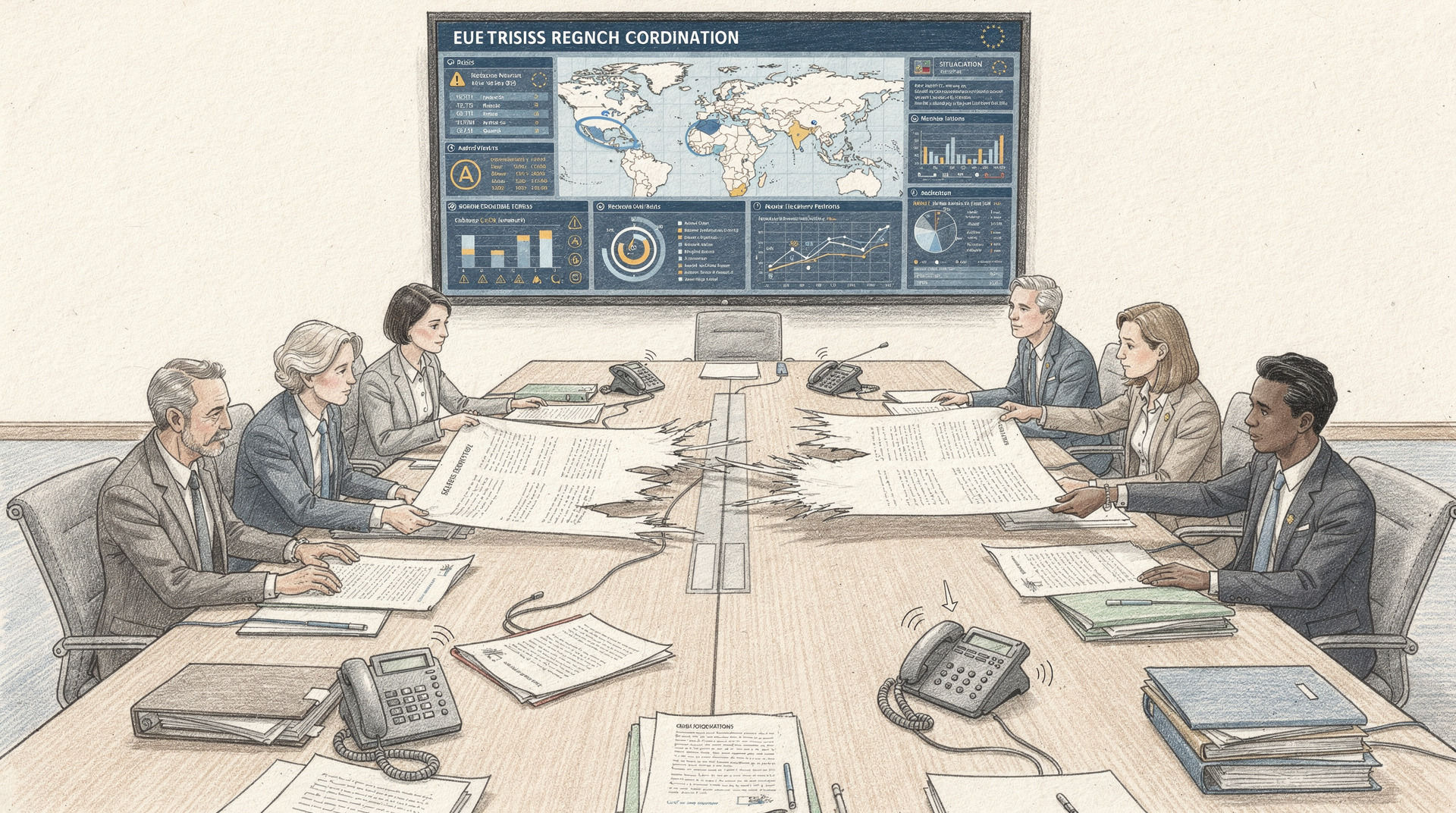
A Trump shock would sharpen internal EU divisions. Some states would seek accommodation, others resistance. The paper warns that fragmentation could paralyse response just when speed matters most.
The big warning: Time is no longer on Europe’s side
Trump 2.0 would compress years of adjustment into months. Europe’s slow political rhythms are a liability, not a safeguard.
If Europe waits to adapt until Washington changes course, it will already be too late. A second Trump presidency would not create Europe’s vulnerabilities – it would expose how little has been done to close them.