World Center for Strategic Studies
From closed analysis to public debate

- MONTH
- YEAR

Europe is caught in the middle: Trump, Xi and the raw materials war heading straight for the EU
This EUISS commentary warns that Europe is walking into a brutal new era where critical raw materials are no longer “commodities” – they are weapons. The return of Trump-style protectionism, combined with China’s dominance over many supply chains, is turning minerals into tools of pressure, punishment and price warfare. Europe is dangerously exposed: it needs these materials for defence, batteries, renewables and industry, yet it lacks control over both supply and processing. The EU talks about resilience – but in a real showdown, it is the one most likely to be squeezed.
Critical raw materials are becoming a battlefield
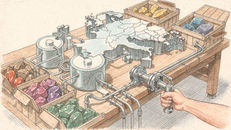
The piece argues that the world is entering a phase of open economic conflict where states use trade and supply chains as leverage. Critical raw materials sit at the centre of this shift because they are essential for everything Europe claims to prioritise: energy transition, reindustrialisation and defence readiness.
The problem for Europe is simple – it does not have secure access, and it does not have enough domestic capacity. That means raw materials are turning into a strategic weakness the EU cannot easily fix.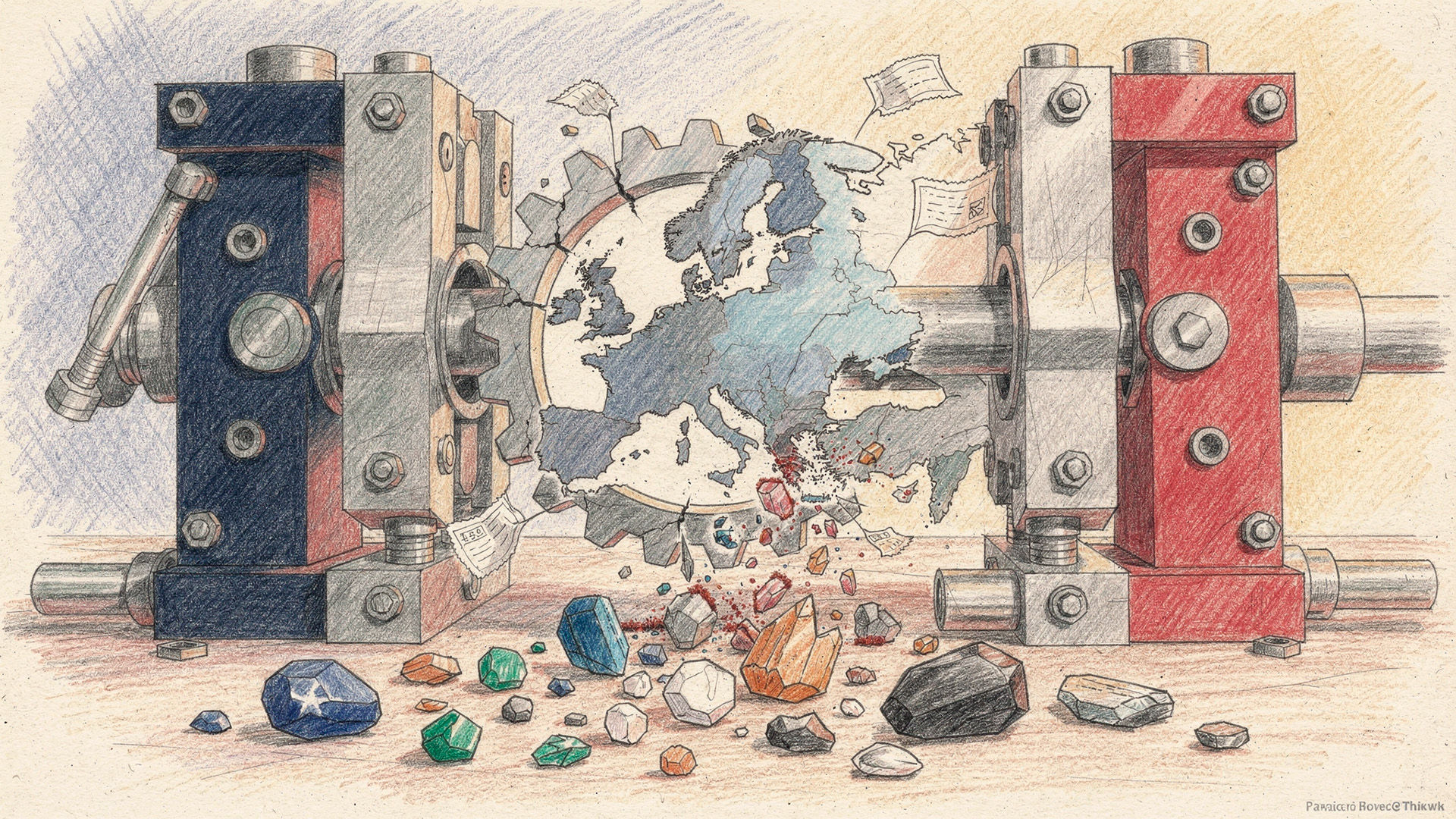

Trump’s return would make Europe collateral damage
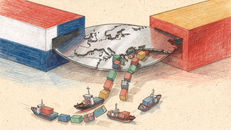
One core argument is that a renewed “America First” approach would not just hit China – it would hit Europe too. Trump-style tariffs and industrial policy would increase costs, disrupt trade patterns and push allies into an uncomfortable position.
Europe could be forced to choose sides while losing access to cheap supply routes. The EU ends up paying more for the same materials, with fewer options, while Washington pursues its own national interest.
China’s advantage: processing power and the ability to punish
China’s dominance is not just about mining – it is about refining and processing, where the real choke points sit. That gives Beijing an enormous lever over global markets.
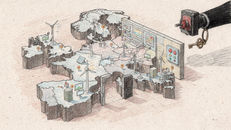
The commentary highlights how China can weaponise this advantage through export controls, restrictions and informal pressure. It can squeeze supply without firing a shot. For Europe, that means vulnerability, because even when materials are mined elsewhere, they often still run through China.
Price wars are a hidden threat to Europe’s industry
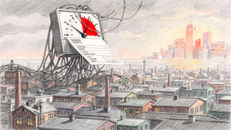
The article also stresses that the weaponisation of raw materials does not always look like bans. Sometimes it looks like pricing. Strategic price wars can undercut competitors, destabilise supply chains and destroy emerging alternatives.
Europe is particularly exposed here because it is trying to build its own industrial capacity while remaining dependent on imported inputs. If prices spike, Europe’s green agenda becomes unaffordable. If prices crash, Europe’s new investments become unviable. Either way, Europe loses.
Europe’s big weakness: fragmented policy and slow action
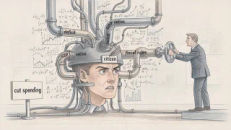
Even when Europe recognises the threat, it struggles to move fast. Member states are divided, industrial policies differ, and permitting and investment cycles are slow.
The EU is trying to respond with initiatives, targets and strategic partnerships, but the commentary implies this may not be enough. Europe is attempting to build supply security in a world where rivals are willing to use coercion and shock tactics.
The EU response: diversify, stockpile, and stop being naive
The piece points towards familiar solutions: diversify suppliers, invest in alternative processing routes, build partnerships with reliable countries, and use stockpiles as a buffer. It also implies Europe needs stronger trade defence tools and greater coordination between member states.
But the underlying message is sharper – Europe cannot treat raw materials as a normal market anymore. It needs a geopolitical strategy, not just an industrial one.
The big warning for Europe
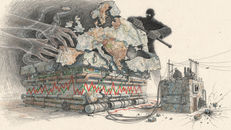
Europe is facing a raw materials squeeze from both sides. A US-China showdown would turn supply chains into a weaponised battleground, and Europe is the most vulnerable player in that fight – dependent, slow, and still building capacity that should have been built years ago.
If Brussels fails to move faster, critical raw materials could become the hidden factor that breaks Europe’s industrial ambitions: no chips, no batteries, no defence surge, no green transition – just rising costs and declining control.