World Center for Strategic Studies
From closed analysis to public debate

- MONTH
- YEAR

Europe’s values are in trouble: the EU is failing its own human rights test
This Human Rights Watch chapter on the European Union paints a deeply uncomfortable picture of Europe’s self-styled “values power”. The EU loves to lecture the world on democracy and rights – yet inside its own borders it is struggling with rule-of-law backsliding, harsh migration practices, growing discrimination, and weak accountability. The message is grim: Europe’s human rights credibility is eroding, and the EU is often slow, divided, or unwilling to confront abuses when they happen at home.
Rule of law backsliding is still haunting the EU
The chapter highlights persistent problems in member states where judicial independence, media freedom, and democratic checks have been weakened. The EU has mechanisms to respond, but enforcement remains politically difficult.
Europe’s weakness is internal division. When large member states hesitate or protect allies, Brussels struggles to act. That makes the EU look toothless – and encourages further erosion.
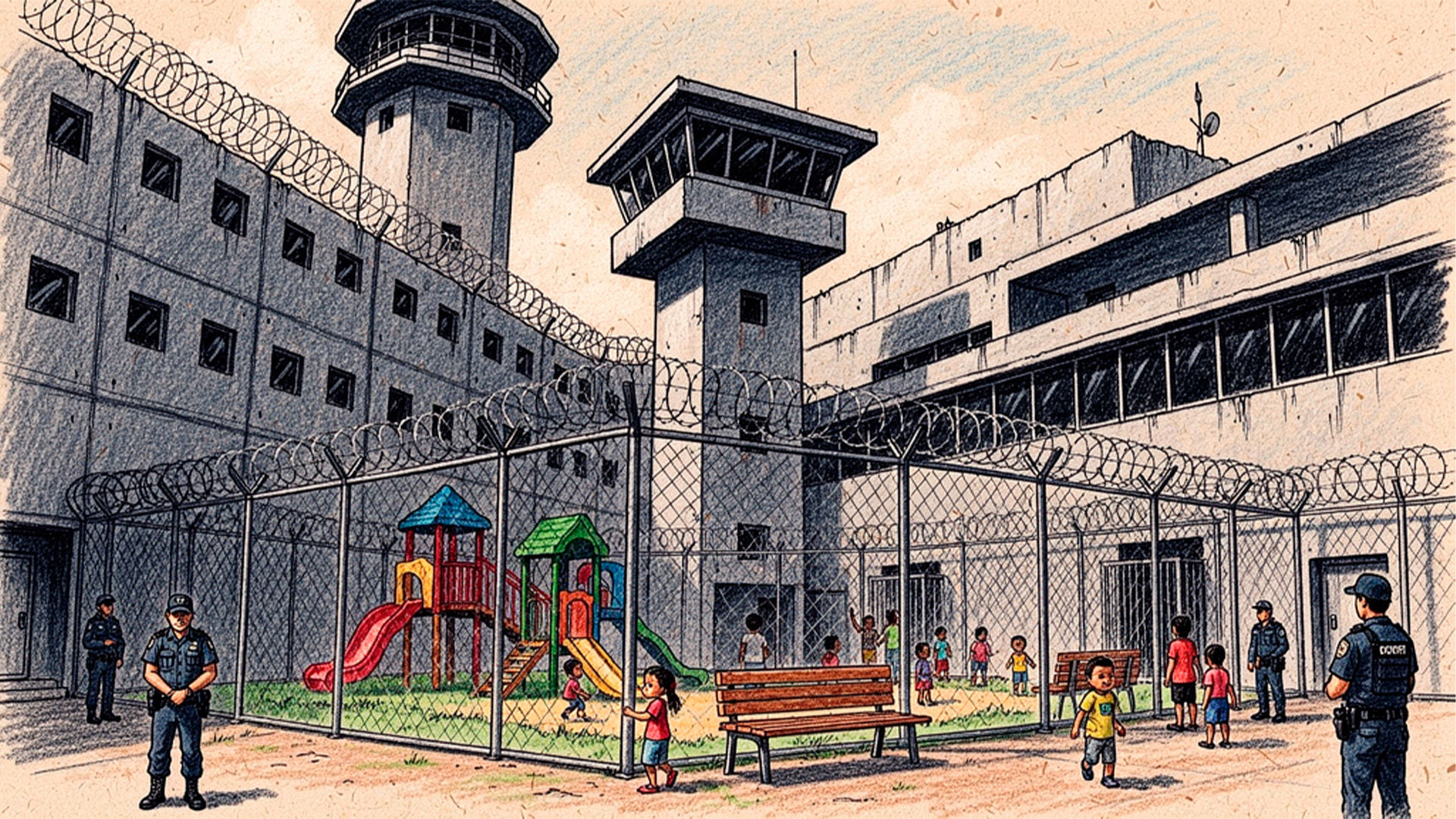

Migration policy is where Europe looks most hypocritical
HRW focuses heavily on the EU’s migration posture, arguing that Europe is prioritising deterrence over rights. Border practices, pushbacks, detention conditions and externalisation deals with third countries are framed as major human rights failures.
Europe’s political fear of migration has produced a hardline approach that damages its reputation and fuels legal controversy. The EU’s “humanitarian language” clashes with what happens at the border.
Discrimination and social pressure are rising
The chapter points to growing discrimination and hostility, including concerns around racism, antisemitism, Islamophobia and attacks on minorities.
The wider political climate matters here. Polarisation and populism push governments toward tougher rhetoric and weaker protections, and Brussels struggles to impose standards when national politics is running hot.
Policing, protest and accountability
The report raises concerns about police conduct in some contexts, and about restrictions on protest and civic space. It argues accountability mechanisms are uneven across Europe.
This contributes to a broader theme: Europe’s rights system is not collapsing everywhere, but it is weakening in key pressure points, and the EU is not consistently preventing that slide.
EU foreign policy credibility is also affected
HRW suggests the EU’s external human rights stance is undermined when the bloc fails to uphold standards internally.
When the EU criticises other countries but tolerates violations among member states or partners, it loses moral leverage. That weakens Europe’s diplomatic influence and its ability to lead global rights agendas.
Why this matters now
The chapter implies Europe is entering a more dangerous phase: internal rights standards are under pressure just as global instability rises.
If the EU cannot protect core democratic norms at home, it becomes weaker externally too. Human rights failures are not just moral problems – they become political and strategic vulnerabilities.
What the EU would need to fix
HRW points toward stronger enforcement of rule-of-law mechanisms, firmer action on rights violations, and a migration approach that aligns border policy with legal obligations.
But this is where Europe hits its core problem again – politics. Many governments want tougher borders and fewer constraints, and Brussels struggles to confront them.
The reality check: Europe’s credibility is cracking
The EU wants to be seen as the world’s human rights benchmark. But this chapter suggests Europe is failing its own test – divided on rule of law, harsh on migrants, and inconsistent on discrimination and accountability.
If Europe cannot defend its values inside the Union, its global “values power” becomes just another slogan – and the EU’s influence will keep slipping.