World Center for Strategic Studies
From closed analysis to public debate

- MONTH
- YEAR

Values Under Pressure: Europe’s Rules Look Weak When Tested
Europe likes to preach values. This report shows how hard it is to enforce them. When member states push back on democracy, rule of law and fundamental rights, the EU’s response is slow, legalistic and often ineffective. The problem is not lack of principles, but lack of power to defend them.
The paper’s argument is uncomfortable. The EU has built an impressive toolbox to protect its values, yet struggles to use it decisively. Procedures drag on, politics interferes and enforcement depends on fragile consensus. As a result, breaches linger and credibility leaks away.
Rules exist, resolve does not
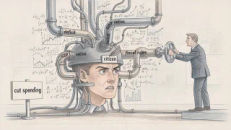
Europe has treaties, courts and monitoring mechanisms. The analysis shows that these tools look strong on paper but weak in practice. Action is delayed by complex procedures and fear of political fallout, turning enforcement into a waiting game.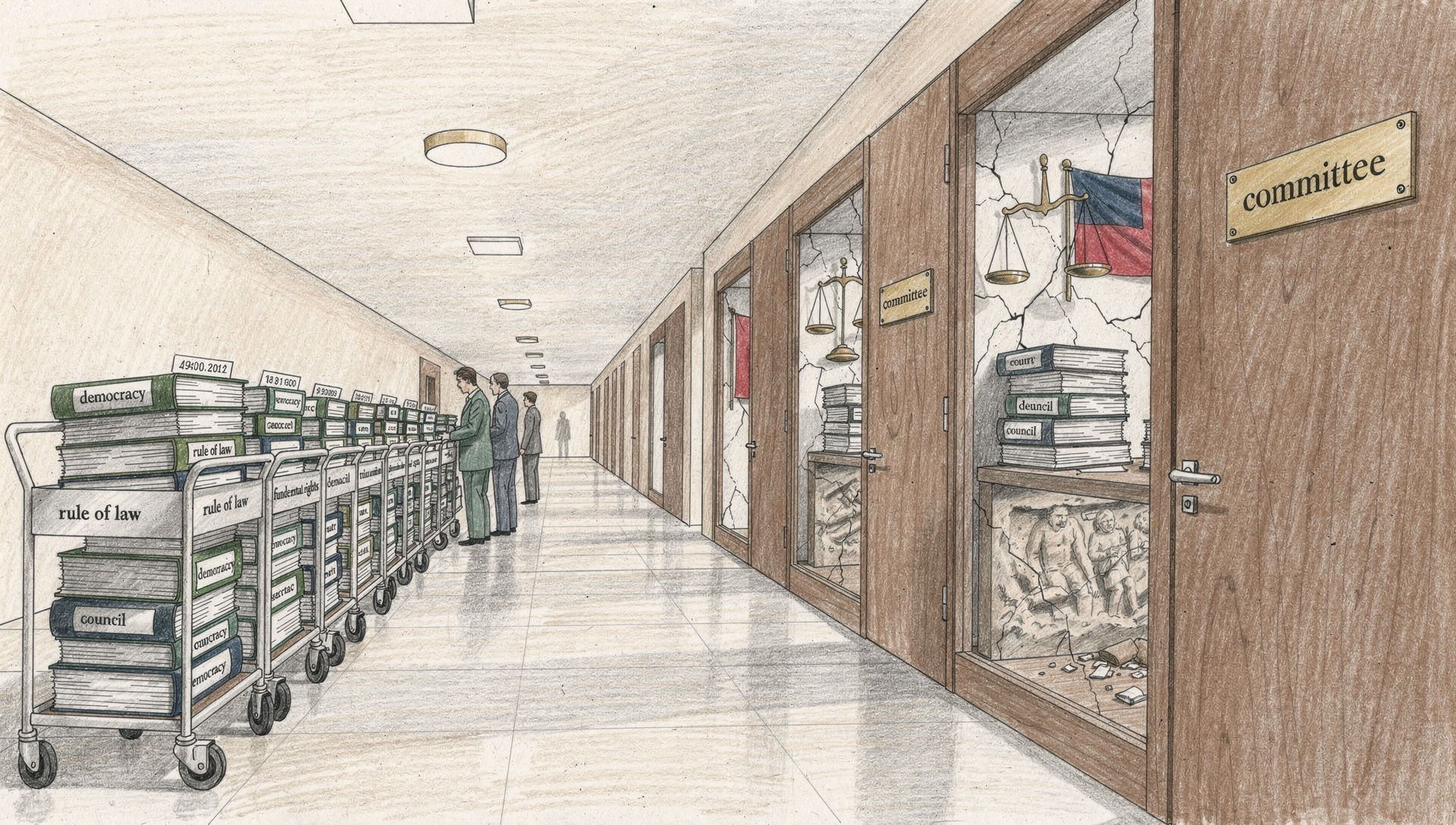
Politics blocks punishment
Sanctions require agreement among governments that often protect each other. The report details how mutual vetoes and backroom deals blunt pressure. Values become negotiable when votes, alliances and budgets are at stake.
Law moves slower than erosion
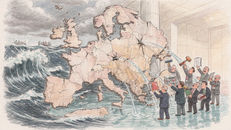
Legal processes take years. Meanwhile, institutional damage accumulates quickly. The study highlights a dangerous mismatch: democratic backsliding accelerates while EU responses crawl.
Money as leverage, cautiously used
Linking EU funds to rule-of-law standards is one of the few tools with bite. Even here, the paper shows hesitation. Financial pressure is applied carefully, partially and late, reducing its deterrent effect.
Double standards fuel cynicism
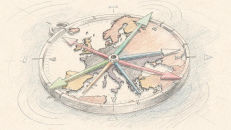
Inconsistent enforcement across countries weakens trust. The analysis underlines how selective action feeds claims of bias and politicisation, further undermining EU authority.
External credibility takes a hit
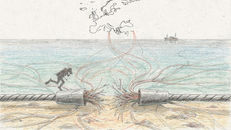
Europe’s global voice on democracy suffers when internal violations persist. The report makes clear that preaching abroad while hesitating at home erodes influence and invites challenge.
The hard lesson: Values need power behind them
Principles without enforcement become slogans. The EU’s current approach signals caution, not control.
Unless Europe accepts tougher, faster action against its own members, the gap between what it says and what it can do will keep widening.