World Center for Strategic Studies
From closed analysis to public debate

- MONTH
- YEAR

France and Germany are running out of time: Europe’s “engine” is stalling again
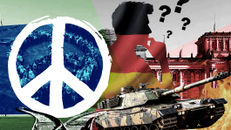
This RUSI commentary argues the Franco-German partnership has a tiny window to save Europe from slipping into irrelevance – and that window is closing fast. With war in Ukraine, a potentially tougher US administration and Europe falling behind economically, Paris and Berlin are supposed to lead. Instead, they are weighed down by conflicting priorities, slow decision-making and national self-interest. The message is blunt: without a serious new Franco-German “covenant”, Europe risks drifting, divided and weak.
Defence comes first – but Europe can’t even buy together
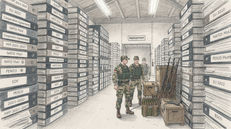
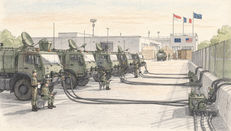
The first priority is defence, and the problem is obvious. The war in Ukraine has forced Europe to re-learn a basic lesson: you need mass, stockpiles and industrial capacity, not just slogans.
Yet Europe still lacks a genuine single defence market. Countries place separate national orders, duplicating costs, slowing innovation and wasting money. The commentary pushes joint Franco-German projects and common assets – possibly funded by shared debt. Translation: Europe needs wartime-level coordination, but it’s still stuck in peacetime fragmentation.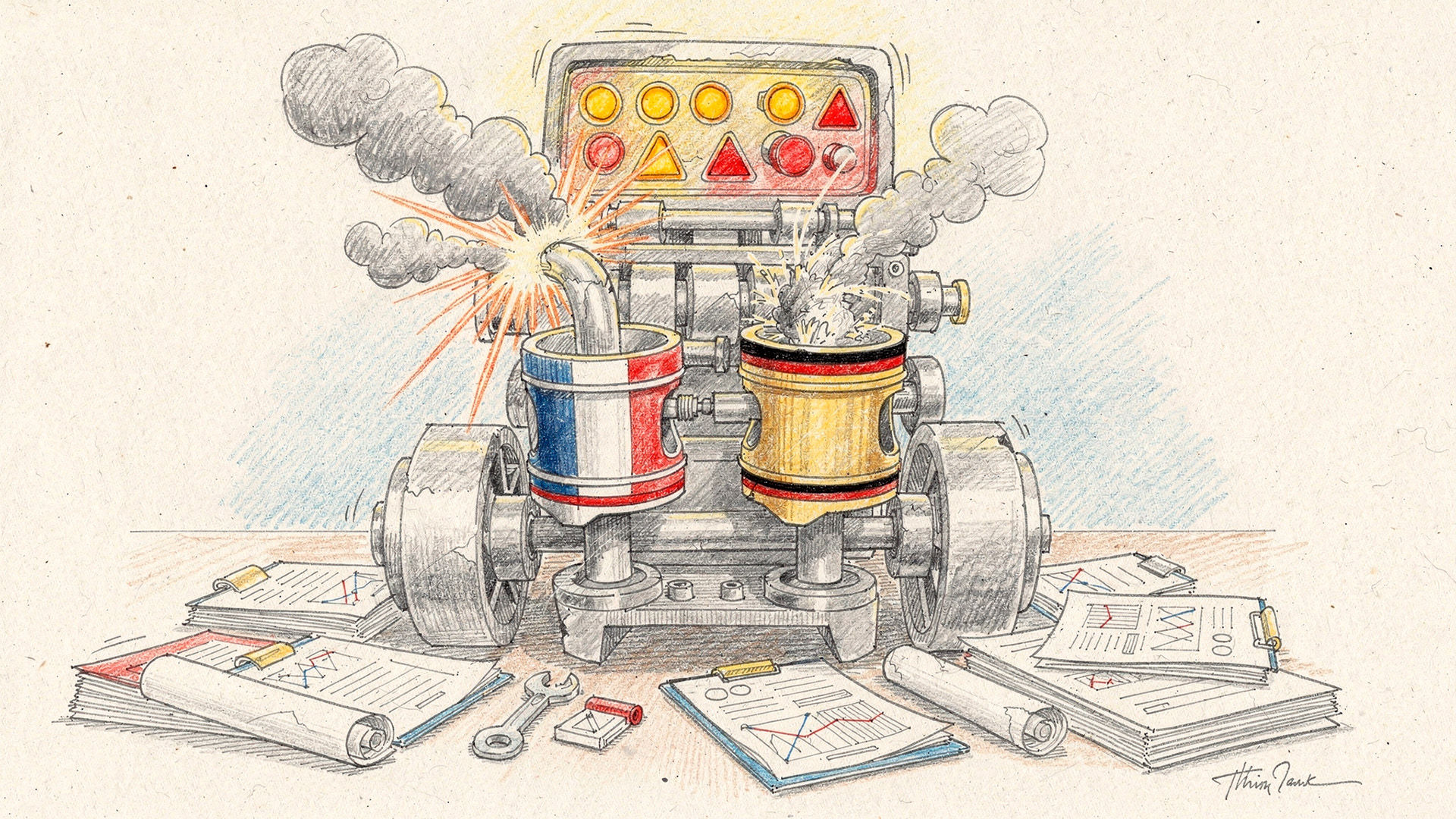

Productivity is collapsing and Europe is falling behind
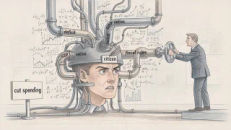
Behind the security talk sits the bigger long-term weakness – Europe’s economy is stagnating. Productivity growth is weak, and the EU is drifting further behind the US and China in innovation, especially AI.
The proposed fix is dramatic: a Franco-German agency inspired by DARPA to fund disruptive innovation at real scale. That is a polite way of admitting Europe’s current model is failing – too cautious, too bureaucratic, too underfunded.
AI is a humiliation story for Europe
The commentary highlights Europe’s growing AI gap as a strategic problem, not just an economic one. While the US and China build platforms and models at scale, Europe is stuck with smaller projects and endless regulation.
One headline proposal is an “AI gigafactory” with more than 100,000 processors – basically an attempt to buy Europe back into the race. It also shows how far behind Europe already is: it now needs emergency-scale infrastructure just to catch up.
Energy: Paris and Berlin are pulling in opposite directions
Europe’s energy transition is another fault line. France wants nuclear, Germany bets on renewables. Without coordination, these strategies risk colliding and producing chaos rather than security.
This is a classic EU weakness – even the two biggest economies cannot align on basics. And if France and Germany can’t agree, Europe has no chance of building a coherent energy future.
Jobs and labour: different crises, same political pain
Even in employment policy, France and Germany face different but equally stubborn problems. France needs better training and youth integration. Germany needs to tackle female underemployment and extend working lives, especially as ageing bites.
The commentary argues this is where a shared agenda could exist – but it also exposes the bigger issue: Europe is stuck managing demographic decline and rigid labour markets while competitors grow faster.
China: “selective openness” is basically an admission of weakness
China is described as politically sensitive, and the proposed approach is carefully hedged. The idea is “selective openness” – protect strategic sectors like defence, space and robotics, while allowing imports in mature sectors and even attracting Chinese investment where Europe is lagging, such as batteries.
That sounds pragmatic, but it also shows Europe’s dilemma: the EU wants protection without provoking retaliation, investment without dependency, openness without vulnerability. In reality, Europe is bargaining from weakness and trying to avoid hard choices.
The verdict
The conclusion is almost brutal: it is now or never. France and Germany have a short window to drive defence, energy, innovation, employment and trade cooperation – otherwise Europe risks fading observedly, with no shared ambition and no strategic weight. The EU’s biggest problem is not lack of ideas. It’s lack of urgency, unity and execution – even at the core of its supposed leadership duo.