World Center for Strategic Studies
From closed analysis to public debate

- MONTH
- YEAR

Europe’s Defence Illusion: Big Plans, Empty Magazines
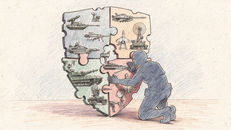
Europe is talking war, but preparing peace. This report strips away the speeches and summit slogans to reveal a defence posture that looks busy yet delivers almost nothing at speed. While threats multiply on Europe’s borders, the EU’s military readiness remains slow, fragmented and painfully unfit for a real crisis.
The paper’s message is sobering rather than dramatic. Europe has learned to plan, coordinate and announce, but not to produce, deploy or sustain. Strategies pile up, initiatives multiply and money is promised, yet actual capabilities lag behind. The gap between ambition and delivery is widening, not shrinking.
Preparation without punch
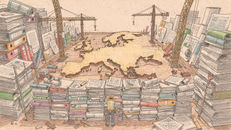
Europe is better at drafting defence plans than turning them into weapons, troops and stockpiles. The analysis shows how processes, frameworks and coordination mechanisms have expanded, while real-world outputs remain thin. Readiness exists on paper, not in barracks or factories.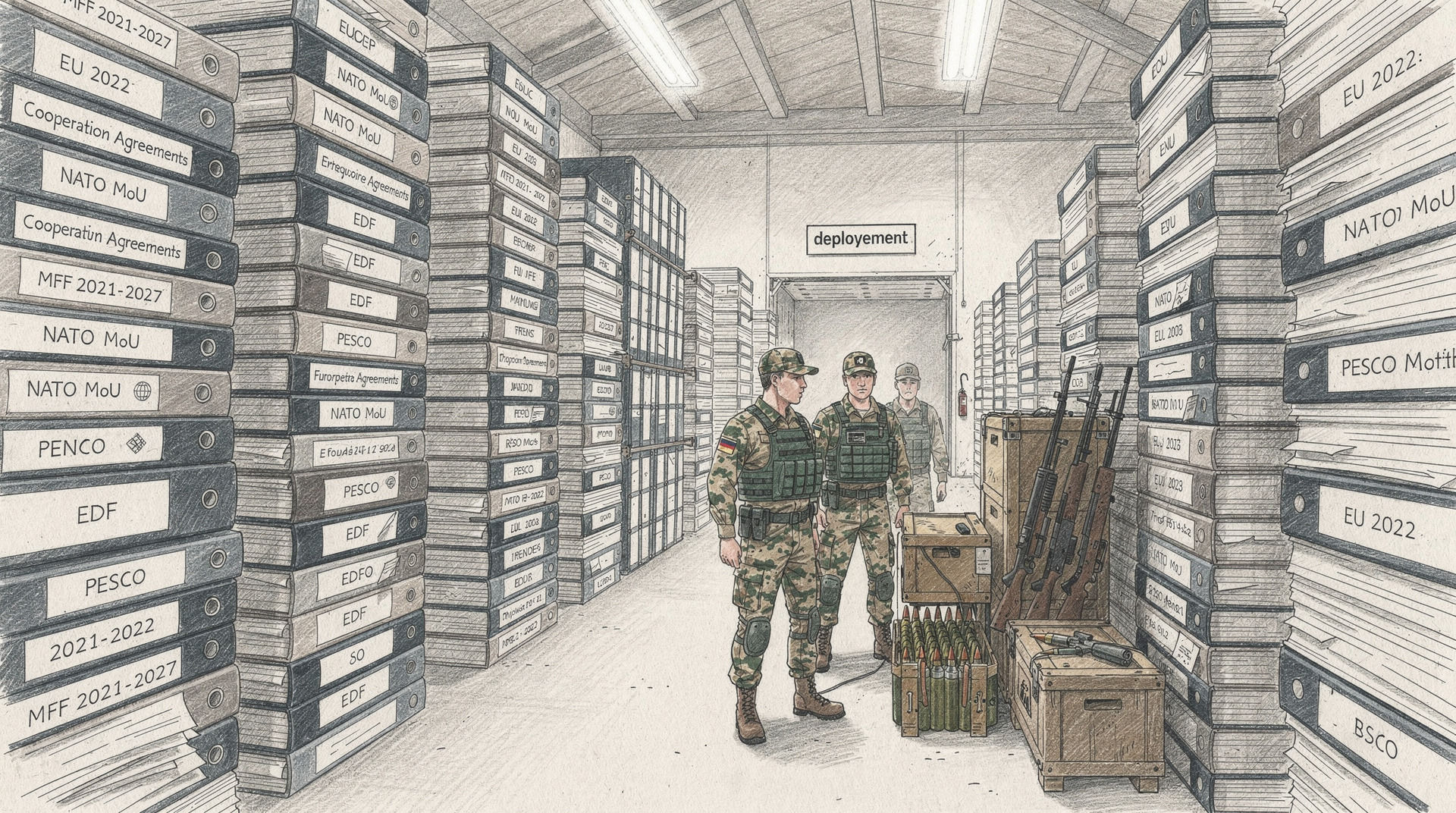
Industry stuck in peacetime mode
Defence industry is a central weakness. Production lines are slow, fragmented and risk-averse. The report highlights how European firms still behave as if demand will be modest and predictable, even as war on the continent proves the opposite. Scaling up remains a promise, not a fact.
Money pledged, impact delayed
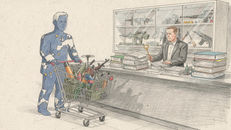
Funding announcements sound impressive, but delivery is sluggish. National budgets move slowly, joint procurement drags on and EU-level instruments struggle to convert cash into kit. The result is a time lag Europe cannot afford in a fast-moving security environment.
National reflexes kill speed
Member states still guard sovereignty first and capability second. The study shows how national priorities, industrial protectionism and political caution undercut collective action. Cooperation exists, but only where it is painless. Hard choices are postponed.
NATO does the heavy lifting
Despite talk of strategic autonomy, Europe remains deeply dependent on NATO and, by extension, the United States. The report makes clear that EU defence efforts supplement rather than replace American power. In a major crisis, Europe still leans on Washington.
Russia sets the tempo
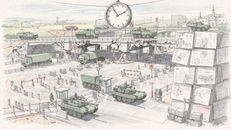
Europe’s defence planning moves slowly while adversaries adapt fast. The paper underlines the mismatch: Russia learns from war in real time, while Europe cycles through reviews, consultations and pilot projects. Speed, not intent, is the missing ingredient.
The stark truth: Prepared on paper, exposed in reality
Europe has convinced itself that activity equals readiness. It does not. Until production accelerates, stockpiles grow and forces can deploy quickly, defence remains a managed illusion.
The danger is not that Europe lacks ideas. It is that it may discover too late that ideas do not stop missiles.