World Center for Strategic Studies
From closed analysis to public debate

- MONTH
- YEAR

Europe is stuck in slow motion: EU inertia is becoming a serious threat
This ECFR article delivers a blunt warning – the EU is drifting into danger not because it lacks strategies, but because it lacks speed. From climate policy to defence readiness, Europe is moving too slowly to keep up with a world that has turned brutal and competitive. While rivals act fast and take risks, the EU debates, delays and waters things down. The core message is simple: Europe’s biggest enemy may not be Russia or China, but its own inertia.
Climate policy looks bold, but delivery is weak
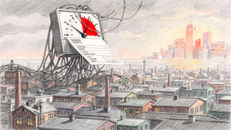
Europe has positioned itself as a climate leader, but the article suggests the reality is less impressive. Targets are ambitious, yet implementation is uneven, expensive and politically fragile.
As costs rise, public backlash grows. National governments start to hedge. The risk is not just slower climate progress – it is that climate becomes a political toxin that paralyses decision-making across the whole EU project.

Defence is the same story – late, fragmented, underpowered
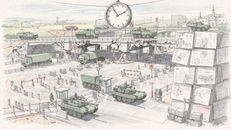
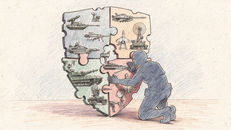
On defence, Europe has had years of warning and still struggles to act at scale. Russia’s war in Ukraine has forced the EU to talk tougher, but practical readiness remains limited. Stockpiles are thin. Industrial capacity is too small. Procurement is fragmented.
The article argues that Europe keeps behaving like this is a temporary emergency. But the security environment has changed for good – and Europe is still not geared for long-term mobilisation.
Europe’s problem is not policy – it’s politics
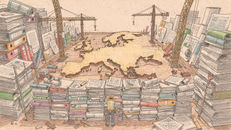
The EU is overflowing with action plans, strategies and summits. The weakness is political. Member states have different priorities and refuse to surrender control. Brussels can coordinate, but it cannot force speed.
In a crisis, this becomes lethal. Decisions take too long, compromises get watered down, and Europe ends up reacting late, rather than shaping outcomes early.
A harsher world is exposing Europe’s weaknesses
The article’s broader point is that the global environment has changed faster than Europe’s institutions. Trade is weaponised, technology is strategic, energy is geopolitical, and security is unstable.
Other powers are not waiting for consensus. They move, build and coerce. Europe’s slow-motion governance was designed for stability – not for strategic competition.
Why inertia could undo the EU
The article suggests EU inertia is no longer a nuisance – it is a strategic vulnerability. If Europe cannot act quickly on climate, defence, industry and energy, it risks losing credibility and cohesion.
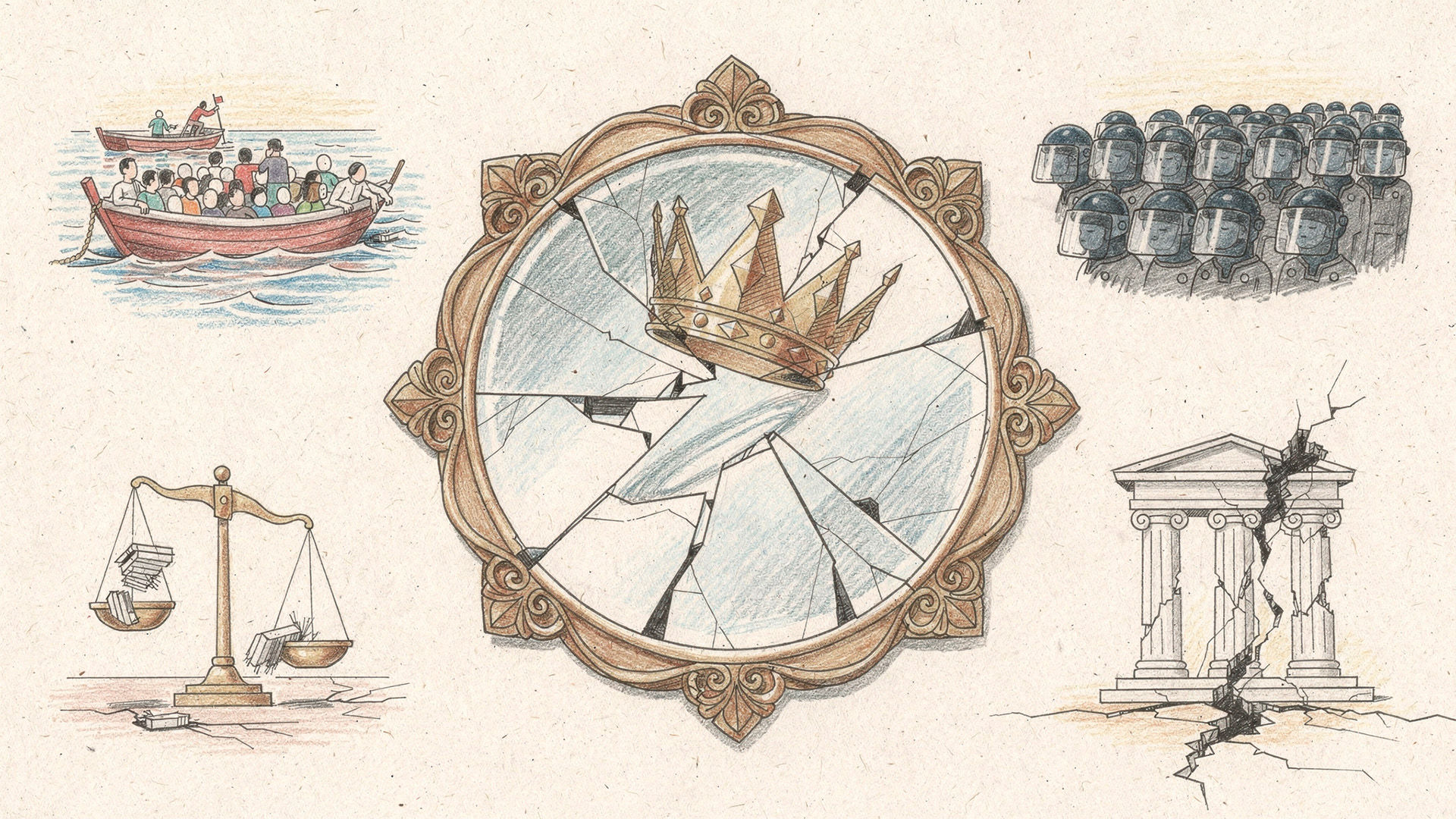
Citizens lose patience. Populists gain ground. National governments go their own way. Europe’s “unity” becomes theatre, and the EU starts to unravel from within.
What the EU must do now
The implied solution is uncomfortable: the EU needs fewer promises and more delivery. That means tougher prioritisation, faster decision-making and less dependence on unanimous consensus.
Europe also needs to stop pretending every challenge can be solved through regulation alone. The new world demands money, mobilisation and a willingness to take political risks.
What this means: Europe is being beaten by its own slowness
Europe is not losing because it lacks ideas – it is losing because it cannot act in time. The EU keeps producing plans while the world produces pressure. In a harsher global environment, speed is power, and Europe does not have it.
If the EU cannot break its addiction to delay and watered-down compromise, its decline will not come from one dramatic defeat – it will come from a long series of slow failures that Europe sees coming, and still doesn’t stop.