World Center for Strategic Studies
From closed analysis to public debate

- MONTH
- YEAR

Europe is wobbling: EU break-up risk is rising as the economy weakens
This IRIS analysis delivers a sharp warning Europe does not want to hear – the risk of EU fragmentation is no longer theoretical. Economic weakness, repeated crises, and rising political polarisation are building pressure inside the Union. The text argues Europe needs “productive resilience” – real industrial and economic capacity – to hold the EU together. Without it, Europe risks becoming a bloc held by rules and habit, not by strength, growth or shared confidence.
EU break-up risk is now a real political factor
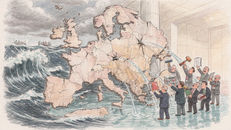
The analysis frames EU break-up risk as something driven by stress, not ideology. It is not only about populists shouting in elections. It is about systems breaking under pressure: high living costs, deindustrialisation fears, migration tensions, and public distrust.
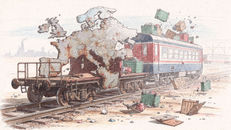
When crises pile up, member states start looking inward. Solidarity weakens. National survival politics rises. That is how break-up risk quietly grows.
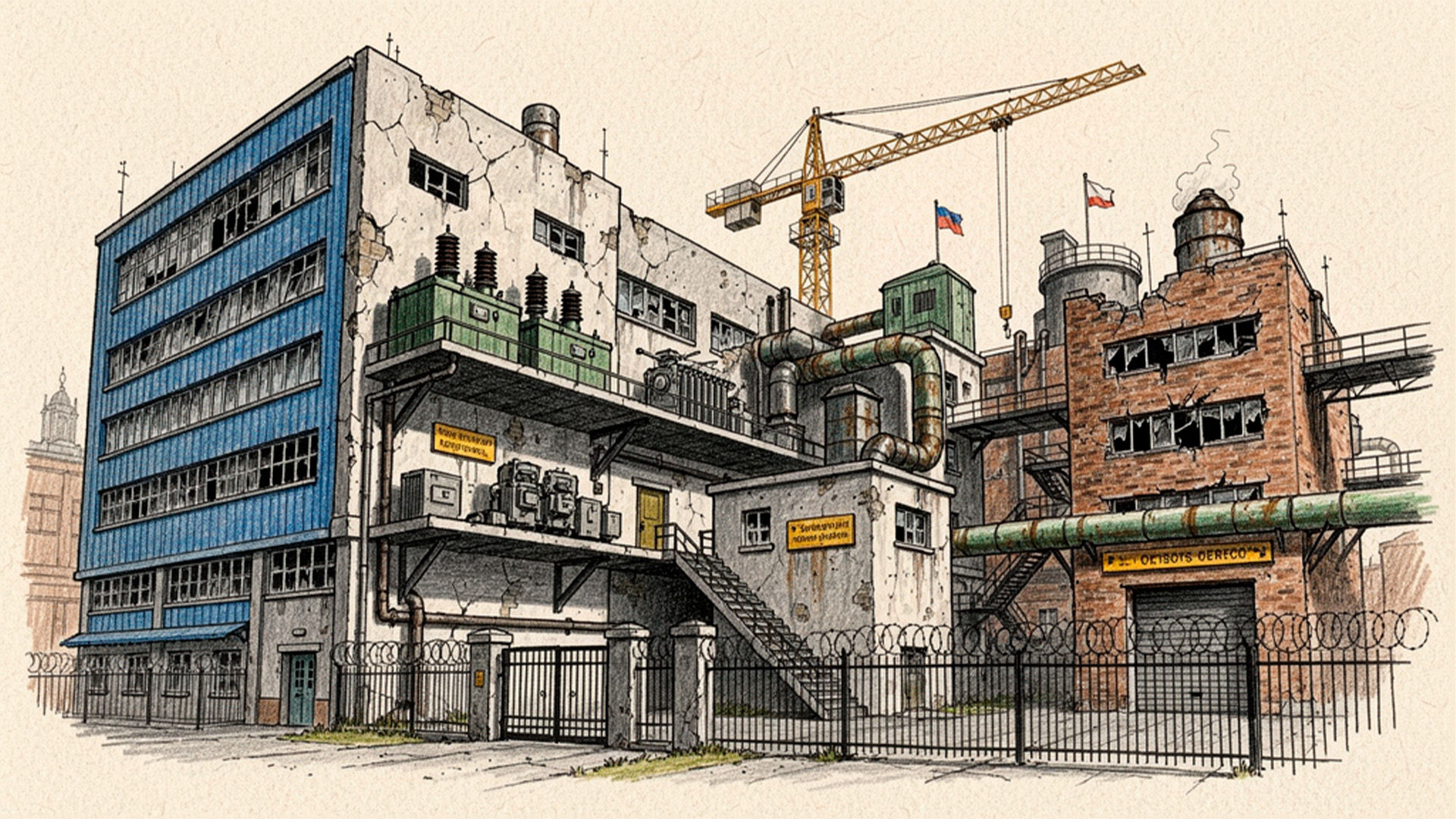

Europe’s economic weakness is feeding political anger
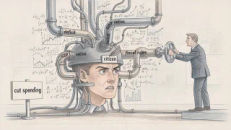
A major theme is the EU’s productivity and competitiveness problem. Europe is struggling to generate growth, and many citizens feel poorer, not richer.
This fuels resentment and radical politics. When voters feel economic decline, they punish centrist coalitions, reject EU compromises, and push governments towards nationalist positions. Europe’s economic slowdown becomes a direct threat to EU cohesion.
“Productive resilience” is about industry, not slogans
IRIS argues Europe needs productive resilience – meaning real industrial strength, secure supply chains, investment capacity and the ability to withstand shocks.
This is not a feel-good concept. It is a survival strategy. If Europe cannot produce, innovate and compete, it becomes dependent on external powers and vulnerable to supply shocks. And dependency breeds insecurity – which then fuels political division.
Europe’s dependencies are turning into a political weapon
The text highlights how external dependence can destabilise internal cohesion. Energy imports, raw material chokepoints, technology dependence, and global supply chain shocks all translate into domestic pain.
When that pain hits, member states fight over costs, subsidies and burden-sharing. The EU becomes a battlefield of national interests rather than a platform for collective strategy.
The EU’s governance system is too slow for a harsh world
Another key point is EU inertia. Decision-making is slow, compromises are diluted, and policies often arrive late.
In a more competitive world, slowness becomes weakness. Weakness creates crises. Crises deepen division. The EU’s governance model, designed for stability, can become a machine for gradual failure.
What Europe needs to stop the slide
The analysis points towards familiar but difficult measures: reindustrialisation, smarter industrial policy, investment in key sectors, stronger coordination of economic strategy, and more resilience-focused planning.
It also implies that Europe must stop treating cohesion as automatic. The EU survives when people believe it delivers prosperity and security. If it delivers neither, loyalty collapses.
The harsh takeaway: A weaker economy could tear Europe apart
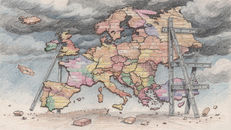
The EU is at risk of being pulled apart by slow economic decline and repeated shocks. Productive resilience is not just an economic policy idea – it is political survival.
If Europe cannot rebuild competitiveness and reduce strategic dependence, break-up risk will keep rising – not suddenly, but steadily, crisis by crisis.