World Center for Strategic Studies
From closed analysis to public debate

- MONTH
- YEAR

Europe is ageing into trouble: the EU’s pensions time bomb is getting louder
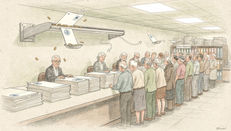
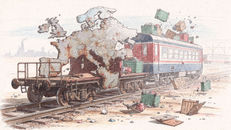
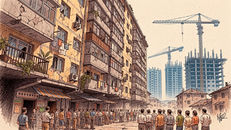
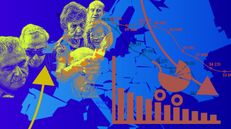
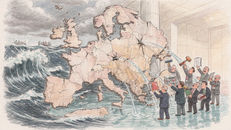
This Bruegel working paper looks at the macroeconomic impact of ageing in the EU – and it reads like a warning sign for Europe’s future. As populations get older, growth slows, labour shortages rise, and pension spending climbs. The paper digs into how immigration policy and pension systems shape the damage. The takeaway is uncomfortable: Europe is drifting towards a fiscal and economic squeeze it may not be politically able to handle, with rising pension bills and shrinking workforces pushing the EU into long-term decline.
Ageing is a growth killer
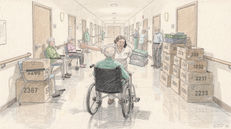
The working paper shows how ageing hits the economy on multiple fronts. Fewer working-age people means lower labour supply, weaker growth potential, and less dynamism.
Europe’s problem is not just “more old people”. It is fewer taxpayers, fewer workers, and more pressure on public budgets. Over time, this quietly erodes Europe’s competitiveness.
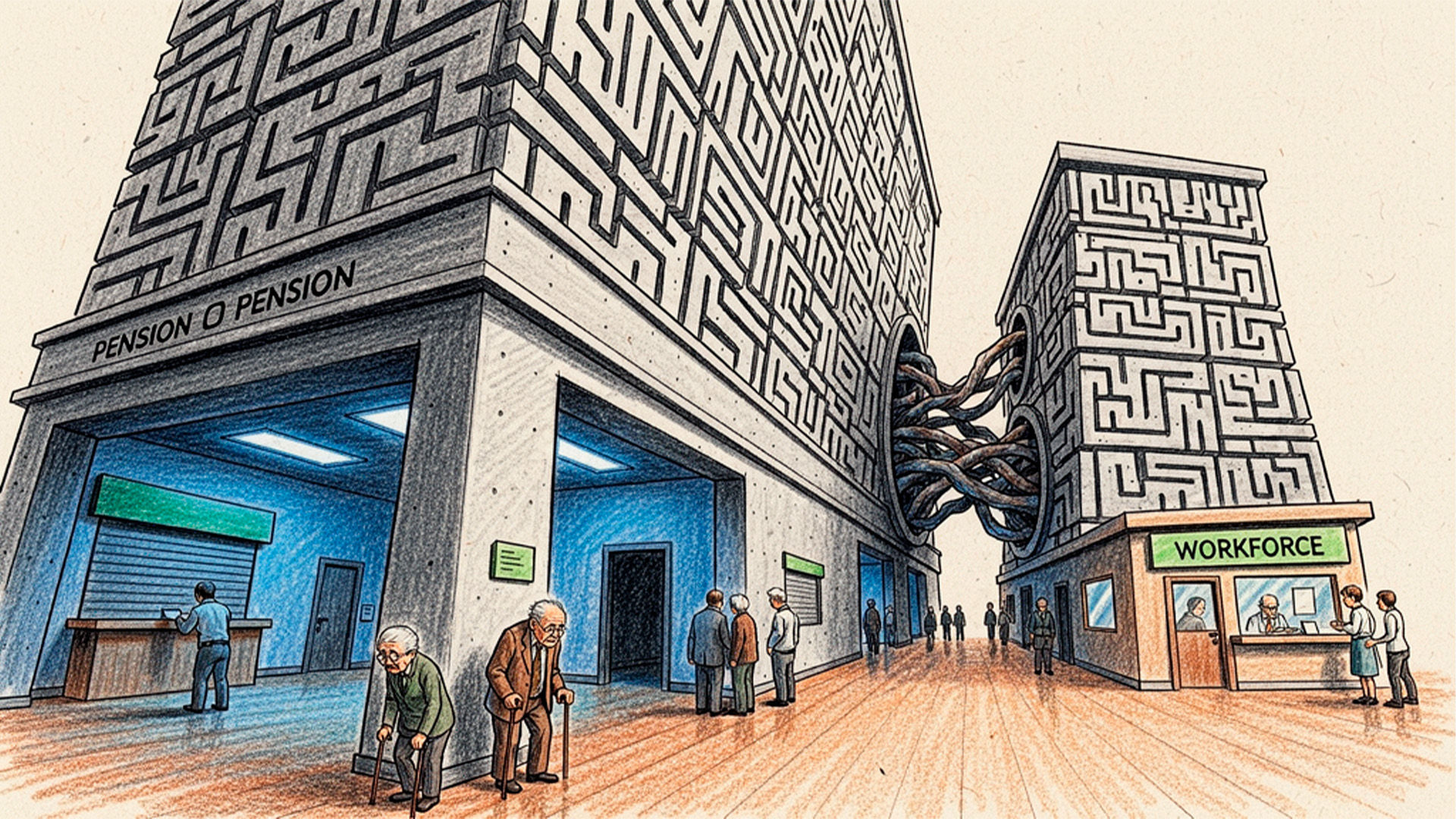

Pensions are the budget pressure point
Pension spending rises naturally when populations age, but the paper highlights how serious the fiscal impact can become. If pension systems are generous and retirement ages remain low, the burden escalates fast.
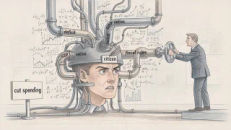
This creates a toxic political loop: governments need reform, voters resist, and the bill keeps rising. Europe risks being trapped in permanent fiscal stress, where pensions crowd out spending on defence, innovation and infrastructure.
Immigration can help – but it’s not a magic fix
The paper explores the role of immigration policy as a potential buffer. More working-age migrants can strengthen labour supply and reduce pressure on pension systems.
But the analysis implies Europe cannot simply “import” a solution. Immigration has limits, it requires integration capacity, and it is politically explosive in many member states. Done badly, it can fuel backlash and instability, making the EU’s internal cohesion even weaker.
The EU faces a hard choice: reform or decline
Bruegel’s work points to a simple logic – Europe must either adapt pension systems and labour markets, or accept lower growth and higher fiscal stress.
That means raising retirement ages, redesigning pension formulas, and expanding participation in the labour force. These are politically painful choices, but avoiding them does not make the problem go away.
Different member states, same trap
The paper suggests ageing pressures will not hit every country equally, but the direction is the same across the EU. Some states are ageing faster, others have different migration patterns, but the structural trend is unavoidable.
This creates EU-level tension too. Countries under heavier stress may demand solidarity, while others resist. Demography becomes another force pushing Europe into internal conflict.
Why this matters beyond economics
The implications go beyond budgets. A weaker growth outlook reduces Europe’s global influence and its ability to finance strategic priorities.
If ageing eats Europe’s resources, it becomes harder to fund defence readiness, industrial policy, climate transition and tech competitiveness. In other words: ageing is not just a social issue – it is a geopolitical vulnerability.
What Europe needs to do
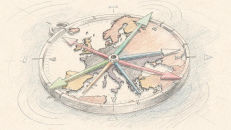
The paper’s logic pushes towards a policy mix: pension reform, higher labour participation, better-managed immigration, and stronger productivity growth through investment and innovation.
Europe cannot rely on one lever. It needs structural change across multiple systems to avoid demographic decline turning into economic decline.
The stark truth: Europe is ageing into a slow-motion crisis
Ageing is set to squeeze Europe’s growth, workforce and public finances for decades. Immigration can soften the blow, but it cannot remove it, and pension reform is politically toxic.
If Europe keeps delaying hard decisions, the result will be predictable: lower growth, higher fiscal stress, more political anger – and a continent falling behind while it gets older.