





Read news
Add bookmark
POPULAR
Oil? Gas? Fertilizer? Just Life.Calm Down, Ladies and Gentlemen, This Is a RobberyCatching Up: Europe’s Path to Strategic Autonomy in the Defense IndustryAir Defense PowerlessnessThe European Union Intends to Fight Space Wars. Does the European Military Space Project Have Room for Development?Europe Needs an ASAP Program for Air DefenseSticking Power or a Sticking Plaster? How the New Armed Forces Bill Will Affect the UK’s Preparedness for WarGermany, China, and the End of the Post-Wall WorldPacifism Gives Way to Voluntary Military Service What Does Germany Need It For?
Germany has embarked on a large-scale rearmament program. Under the program, the country’s military expenses may already exceed EUR 108 billion in 2026 and reach a record EUR 150 billion by 2029. As Valeria Campari writes in the online journal of the Italian Institute of International Affairs (Istituto Affari Internazionali), the German parliament has approved partial resumption of conscription.
Starting from 1 January 2026, every German who has reached the age of 18 is expected to declare whether he wants to perform voluntary military service or not. The step taken is part of a strong shift in official Berlin’s foreign and defense policies, announced due to an unstable security situation after Russia invaded Ukraine in 2022.
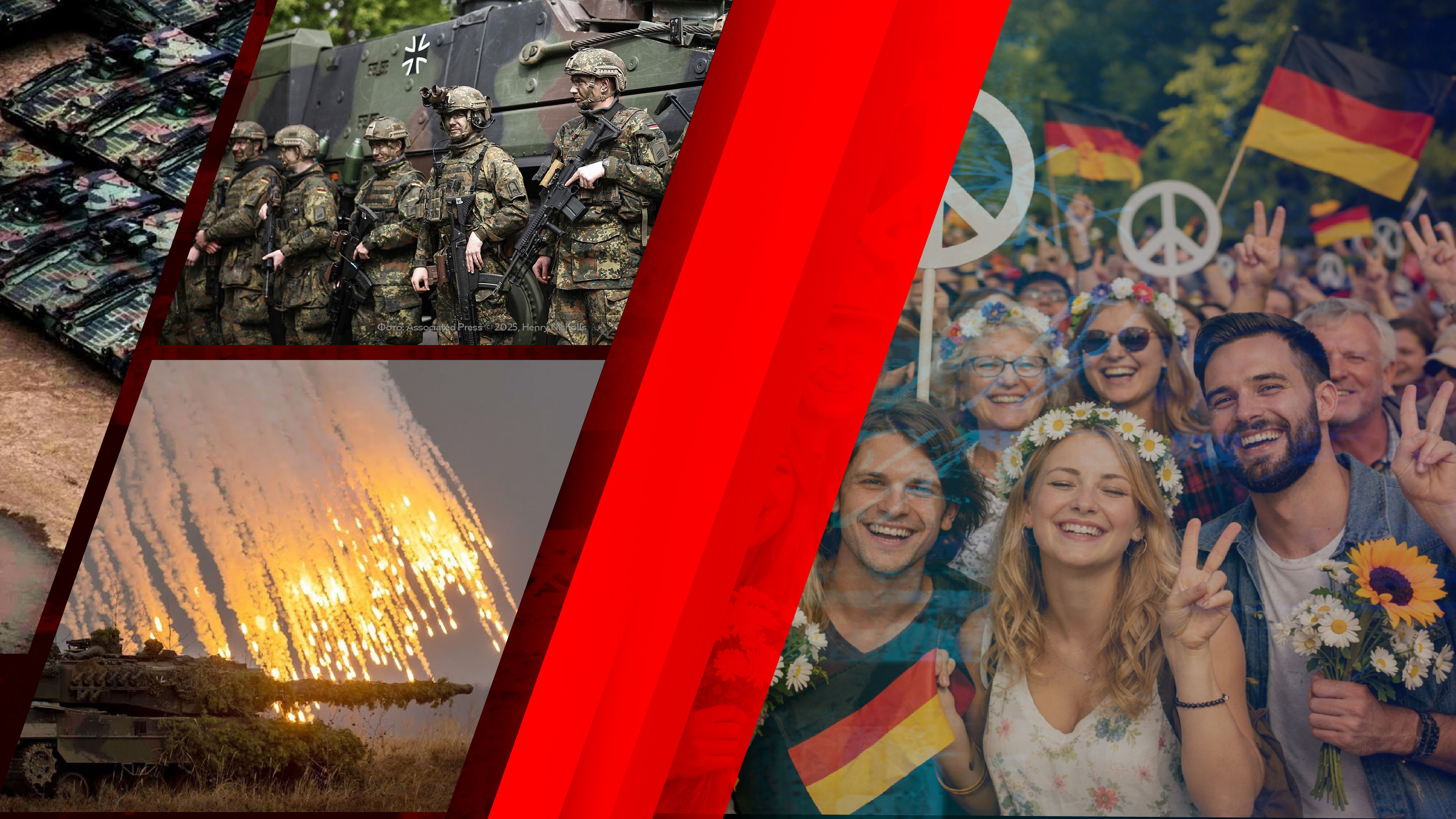
However, the German government seems forgetful of its own society’s strategic culture and mentality. For many decades, Germans have regarded peace as the guaranteed result of a multilateral order and European integration. Germany has never understood peace as something to be defended on military service.
That may leave Germany a military power on paper only. It will have an army resource but lack a public consensus sufficient to support it in the long run, to say nothing of using force. The voluntary service law is stark evidence of how it all will be implemented.
Passed on 18 December last year, the Military Service Modernization Law is being justified by threats from Russia. It provides for increasing Bundeswehr strength from 182,000 to 270,000. Besides, the federal army is to include up to 200,000 trained reservists.
For its volunteer recruits, the government has established a minimum salary of EUR 2600 monthly for the whole duration of their employment contracts. German citizens deciding to volunteer for the army may count on service in a unit stationed near their homes.
If the terms announced fail to attract a flow of volunteers and the recruitment target is not met, then the Bundestag may introduce ‘demand-based conscription' by 2027. That, in turn, paves the way to reinstatement of compulsory military service, abolished back in 2011. True, in this case the government runs a substantial and well-founded risk of losing public support.
That is because the draft reform system was approved by a very narrow margin of votes (323 to 272), which created a strong and quite visible tension within the ruling majority consisting of a large coalition of Christian Democrats (CDU) and Social Democrats (SPD). The CDU, as a ruling party, advocates rearmament while the left-wing SPD current is more cautious in its judgments. It supports the military spending rise but is wary of draft resumption.
The reform is being criticized by the left and also by the far-right Alternative for Germany. The latter party used to advocate resumption of compulsory service but took a ‘pacifist’ stance after Russia’s attack on Ukraine. That led it to draw closer to Moscow and criticize NATO actions directly. Short of opposing the war logic, the pacifism being promoted by AfD seems to legitimate the international order based on great powers’ supremacy.
Public opinion is also divided on the issue. According to the DeZIM Institute, the reinstatement of mandatory military service is supported by 30.5% of respondents aged 18 to 28; 50% of those aged 29 to 38; 59% of people aged 39 to 48; 67% in the 59 to 68 age group, and by an incredible 77 per cent of people older than 69.
However, all the age groups tend to refrain from volunteering. Opposition to that step was voiced by 74% of citizens (aged 59 to 68) to 86% (Germans aged 18 to 28).
A generation gap is thus visible. Support for compulsory military service is widespread among elderly people not subject to conscription, but is minimal among younger people whom this reform affects directly.
Just a few years ago Germany still focused on pacifism, multilateralism, economic interdependence and the idea that armed conflicts were a legacy of the past. Now the gates to military service, still voluntary for now (to become mandatory in a near future), are open before the Germans. The German Z generation, precisely in the draft age now, rejects this option. Its members – often called ‘digital people’ – are obviously in no hurry to take up arms instead of their smartphones.