





Read news
Add bookmark
POPULAR
The EU’s Chronic Surplus: Handsome Figures Concealing a Deep Structural DeclineEurope's Underestimated Weak Spot: Financial Dependence on the USOil? Gas? Fertilizer? Just Life.Banque de France Governor François Villeroy de Galhau: ‘Europe and America will either win together or fall together’Global Reordering, German Responses Germany Reflecting on How to Get Along with Global PowersHow Europe Can Reduce Dependence on the United StatesEurope’s Door to Chinese Tech Investment Is Still AjarThe ECB's bid to strengthen the euro's global role
A report entitled The ECB’s bid to strengthen the euro’s global role by Spyros Andreopoulos and Sander Tordoir, former European Central Bank employees, was published on the website of the Centre for European Reform on 20 February 2026.
The report seeks to justify the need to extend euro influence as the dollar weakens.
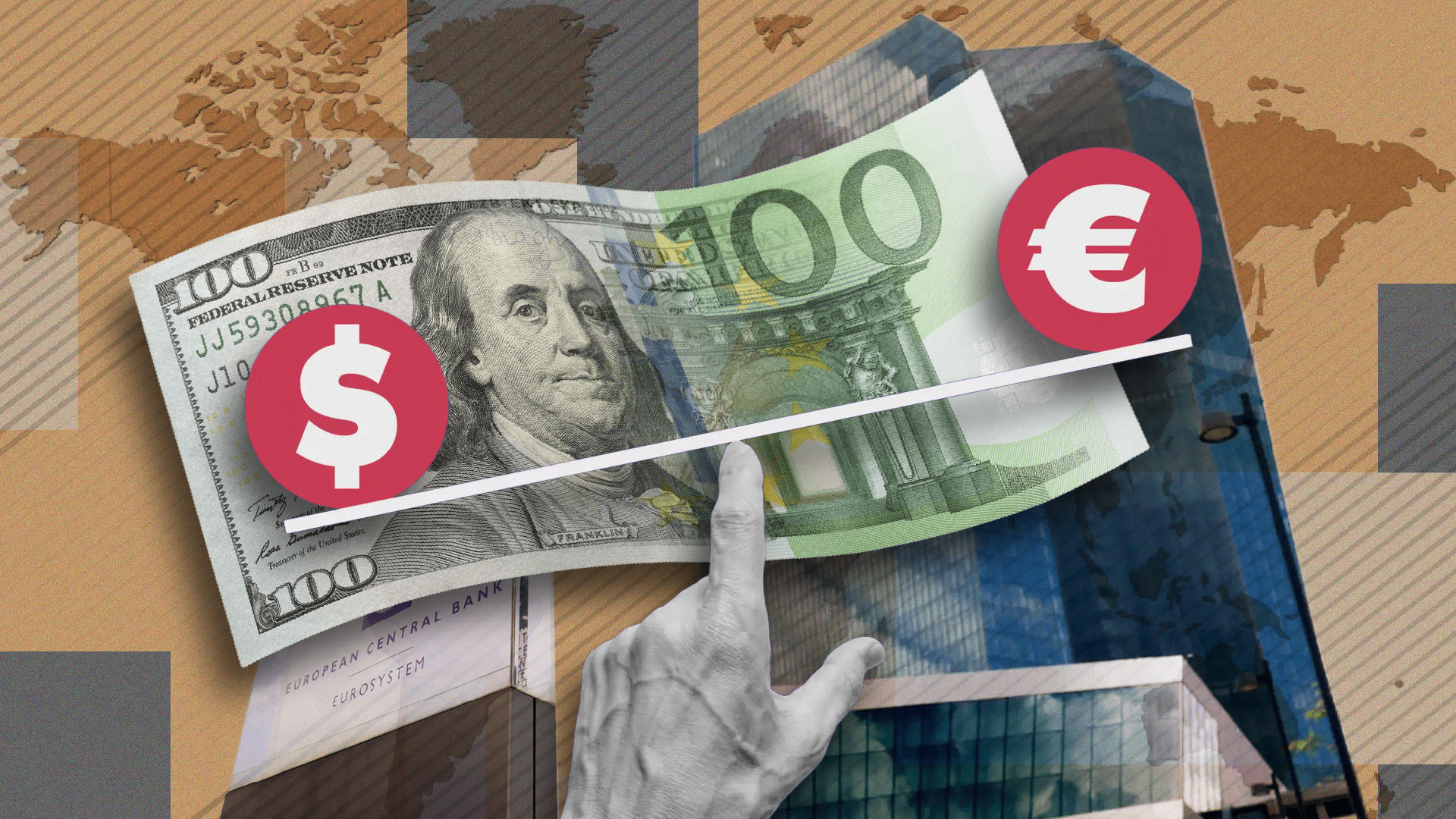
President Trump’s policy resulting in a volatile U.S. dollar exchange rate has led long-term investors to become more cautious in respect of the U.S. currency. Danish and Dutch pension funds recently reduced their holdings of U.S. government bonds, spurred on by US threats to annex Greenland.
Reducing reliance on the dollar would make Europe less vulnerable, should transatlantic relations deteriorate further, as the US can enforce sanctions by restricting access to dollar clearing and the international financial system.
Yet Europe lacks the consolidated capital markets, institutional coherence and supply of safe assets that a currency needs to claim dominant status.
The supply of safe European government bonds is too limited. In the EU, highly-rated sovereign debt amounts to less than 50 percent of GDP, compared with over 100 percent in the US. The world cannot simply convert existing dollar reserves, which run into the trillions, into euros.
The Eurozone runs a current-account surplus: it lends to the rest of the world rather than attracting foreign savings. The euro may lose ground to the dollar even more, for example if dollar-denominated stablecoins encourage digital dollarization.
The dollar system is beginning to fray. Russia, India and China are increasingly settling trade in their own currencies to circumvent US sanctions, while central banks continue to buy gold.
EU member States are ramping up defense spending. Greater safety would support demand for euro-denominated assets from allies. In its time, the British pound lost its central role as the UK’s geopolitical dominance faded. Today, too, geopolitical power and monetary status remain closely linked.
Military alliances can raise a currency’s share in allies’ foreign reserves by 30 percentage points. Allied countries, from Canada and Japan to Turkey, could hold more euro reserves.
Strengthening the international role of the euro could generate structurally higher demand for European assets and allow capital to be raised more cheaply, particularly for defense spending and the ‘green transition’.
ECB President Christine Lagarde announced that the bank will make its euro repo lines permanently available to central banks worldwide since 2026. The ECB should expand its network of swap lines to the central banks of the MERCOSUR countries, the Reserve Bank of India, and potentially the central banks of other major global trading partners.
By making euro funding more widely available internationally, the ECB would also contribute towards the provision of a public good: global financial stability.
Renunciation of U.S. global leadership by the Trump administration means it is prudent to no longer take for granted the role of the FRS as the global lender of last resort. The ECB should be ready to take on the responsibility for the stewardship of the global financial system.