





Read news
Add bookmark
POPULAR
Oil? Gas? Fertilizer? Just Life.Giorgia Melonis Reformagenda im politischen Labor ItaliensAn Illusion of Managed Interdependence. A Transatlantic Tech PartnershipDemocracy in Europe: protection or reinvention How now will the continent live?Tech Dependencies Undermine UK National Security Soft Power Without LeverageA European Democracy Shield: Fighting Foreign Interference – Or Tight Censorship
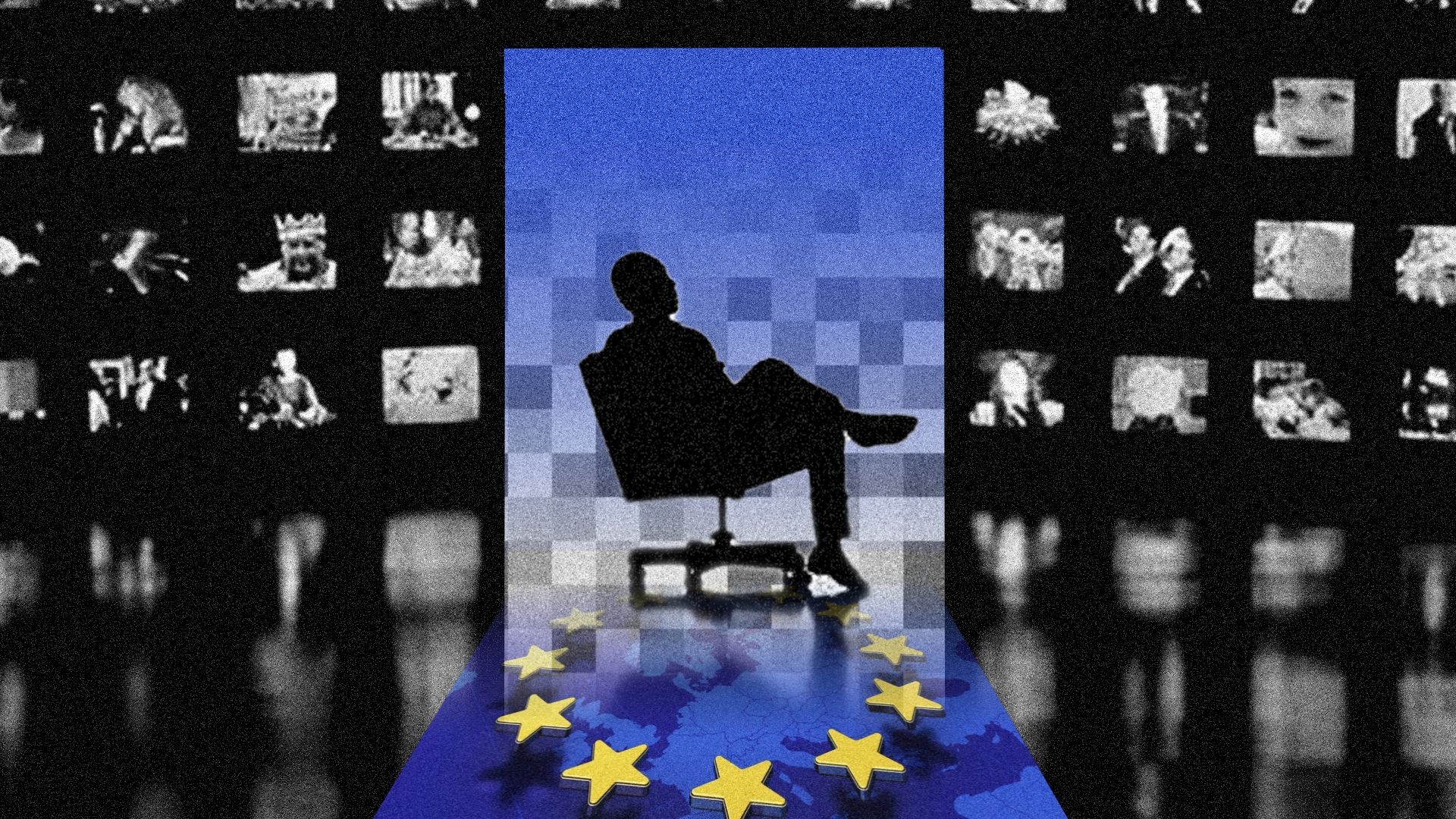
European political élites are claiming that democracy is being threatened, and they have found a bizarre way out. The European Union suggested creating a European Democracy Shield (EDS).
It is marketed as a tool to defend elections and counter foreign disinformation. In reality, it risks becoming a powerful tool for censorship– and more. Under the pretext of combatting foreign interference, the EDS will even be able to meddle with EU electoral processes. All that has nothing to do with that same democracy which the European leaders are still claiming to profess.
Paul McCarthy, senior research fellow for European affairs in the Margaret Thatcher Center for Freedom at the Heritage Foundation, examines this issue in his two analytical articles.
The author is sure that the Democracy Shield will not defend democracy if implemented as planned. Instead, it will defend the political establishment from voters who challenge it.
The system hinges on a proposed European Centre for Democratic Resilience. It would coordinate governments, nongovernmental organizations (NGOs), and technology companies to monitor what Brussels calls ‘information manipulation.’ In practice, that means the introduction of a system for monitoring political speech online.
The biggest winner from this system will be the sprawling network of activist NGOs that already receive generous EU funding. They may be granted a privileged status of ‘trusted flaggers’ giving them special authority to report and suppress speech online.
Left-leaning governments, sympathetic regulators, and a number of NGOs will actually be empowered to decide which ideas qualify as ‘disinformation’ or ‘manipulation’ and which remain acceptable.
Anyone who doubts how this will play out should look at recent political debates across Europe. Opposition to mass migration, criticism of EU institutions, or skepticism about climate policy have been dismissed outright as ‘extremism’ or ‘disinformation.’
Under the Democracy Shield, those labels could carry real regulatory consequences. What Brussels calls fighting disinformation increasingly looks like policing dissent, which is radically contrary to all democratic morals.
The launch of EDS has already triggered concern among free speech advocates. One European conservative outlet argues that the EDS poses a risk of transforming democratic debate into a ‘managed information discussion’.
Efforts to fight so-called disinformation or foreign interference increasingly become a pretext for tight content moderation and suppression of controversial views.
In this environment, for example, pro-life and pro-family views can easily be construed as threats to democracy. Moreover, political communication supporting the ‘wrong candidate’ can lead to elections being cancelled and candidates barred from running, as they were in Romania’s recent presidential elections.
Paul McCarthy believes that EDS implementation would hit America as well. Because the EU regulates global technology companies, its policies frequently shape how those platforms operate worldwide. European regulators could end up influencing what Americans see – or don’t see – online.
The Democracy Shield could also create tensions in the transatlantic relationship. The United States has long treated political speech – even controversial speech – as a core democratic right. Americans are still quite aware that democracy needs no speech police. It does need open debate, political competition, and the freedom of citizens to challenge those in power.
The European bureaucrats are beginning to forget this conventional wisdom. If Brussels starts exporting its new standards underlying the Democracy Shield, the result will be an inevitable clash with American constitutional principles and an even deeper division in the transatlantic alliance.