World Center for Strategic Studies
From closed analysis to public debate

- MONTH
- YEAR

Europe’s Democracy Shield Tested: A Moment of Truth Arrives
The commentary frames Europe as standing at a critical stress point where democratic resilience is no longer an abstract ideal but a live security issue. Elections, institutions and public trust are under pressure from disinformation, polarisation and foreign interference. The piece argues that Europe talks confidently about defending democracy, yet the shield it relies on is thinner, slower and more uneven than leaders admit.
At its core, the analysis says Europe is reacting rather than preparing. Tools exist to protect elections, counter manipulation and strengthen institutions, but they are deployed late, unevenly and often only after damage is done. The danger is not sudden collapse, but repeated small breaches that normalise vulnerability and sap confidence over time.
Threats multiply faster than defences
Digital interference, covert funding and information warfare are evolving quickly. The analysis shows how Europe’s responses lag behind, constrained by legal caution, fragmented authority and slow coordination.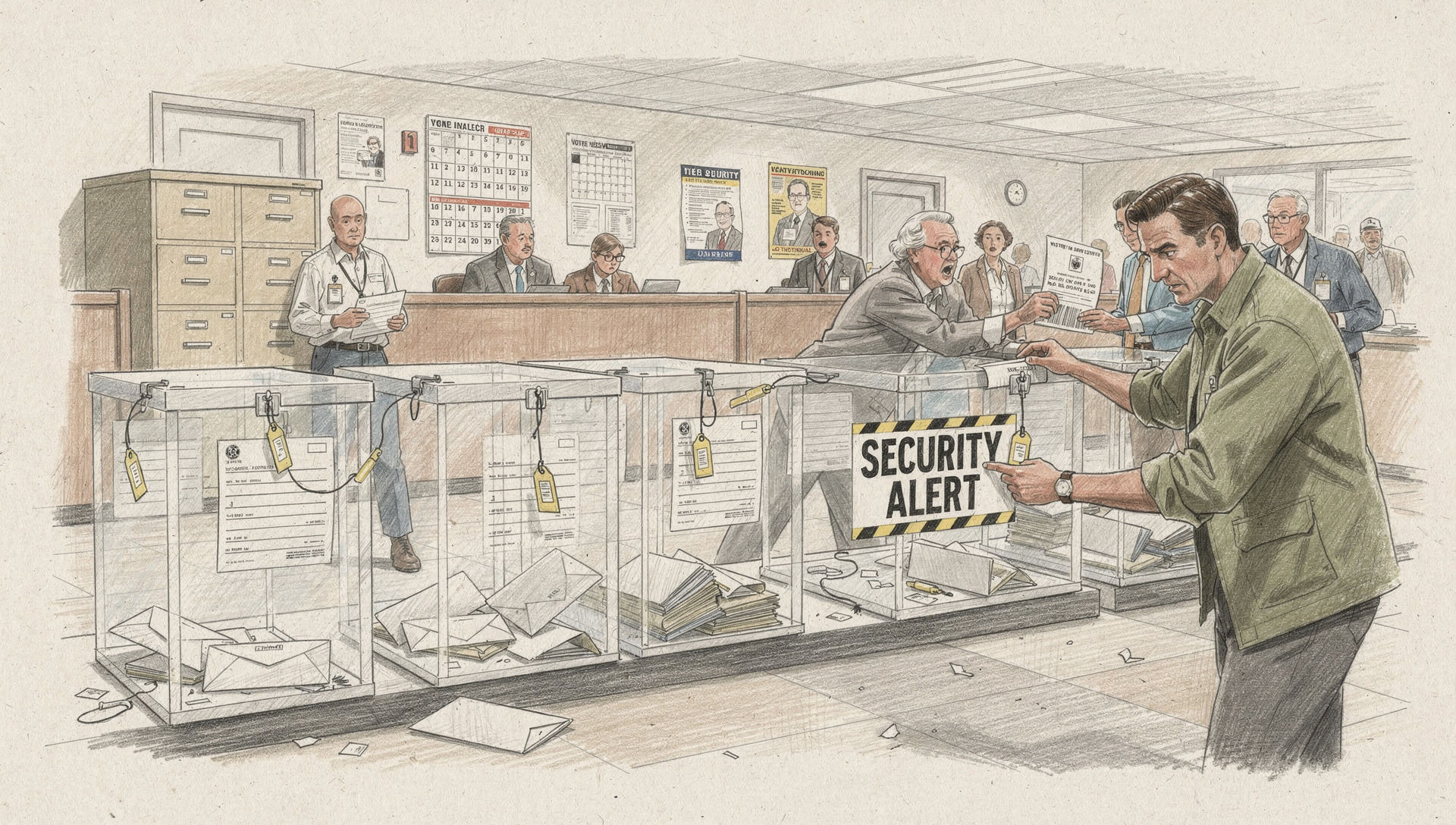
Democracy treated as a sector, not a system
The paper highlights how protection efforts are siloed across election security, media regulation and cybersecurity. This piecemeal approach leaves gaps adversaries can exploit.
Member states move at different speeds
Some countries invest heavily in democratic resilience, others barely engage. The analysis frames this unevenness as a collective weakness – Europe is only as strong as its least prepared systems.
Free speech versus protection dilemma
Efforts to counter manipulation risk clashing with civil liberties. The commentary stresses Europe’s difficulty in drawing clear lines, leading either to overreach or paralysis.
Foreign actors test the limits
External players probe Europe’s defences precisely because responses are inconsistent. The analysis warns that ambiguity invites experimentation and escalation.
Public trust is the real battlefield
Beyond technical fixes, confidence in institutions is eroding. The paper argues that once trust weakens, no amount of regulation can fully repair the damage.
The reality check: Democracy defence can’t be optional
Europe cannot pick and choose when to take this seriously.
If the EU treats democratic resilience as a secondary policy, it will keep discovering weaknesses the hard way. This moment of truth demands speed, coordination and political courage – or Europe risks learning that a shield admired on paper does little when the pressure is real.