World Center for Strategic Studies
From closed analysis to public debate

- MONTH
- YEAR

Europe’s Speech Crackdown: From Free Expression to Thought Control
The commentary launches a frontal attack on Europe’s growing push to police speech, warning that the EU is sliding from regulation into outright control. What is sold as a fight against “harmful content” is framed as something far broader and more dangerous – a system that empowers governments and regulators to decide what can be said, shared and heard. The piece argues that Europe is undermining its own democratic claims in the name of order and safety.
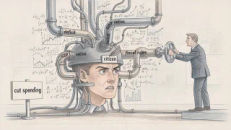
At its core, the analysis says Europe has lost confidence in open debate. Faced with polarisation, disinformation and political stress, European institutions are choosing enforcement over persuasion. The result is a regulatory machine that treats speech as a threat to be managed rather than a right to be protected.
Regulation turns into restriction
The paper shows how laws aimed at online safety and content moderation steadily expand in scope. What begins with extreme material quickly moves into political speech, dissent and controversial opinions. Lines blur, safeguards weaken.
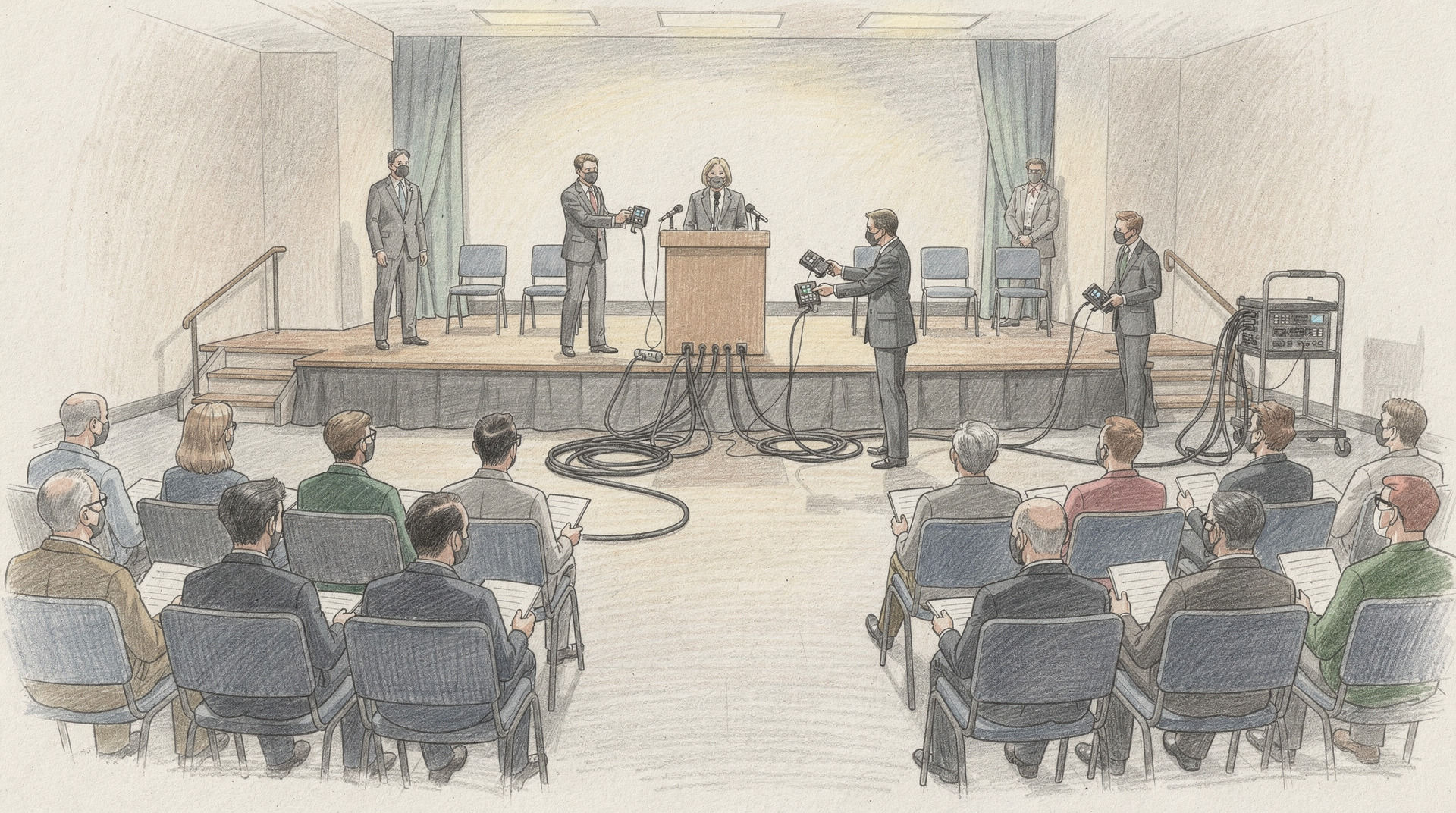
Bureaucrats decide the limits
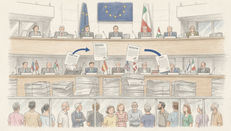
Power over speech is shifting away from courts and voters toward regulators and platforms under government pressure. The commentary warns that vague standards invite overreach and self-censorship, not accountability.
Double standards on democracy
Europe lectures the world on liberal values while narrowing space for debate at home. The analysis frames this as a credibility problem – free expression is defended abroad but constrained domestically.
Security used as a shield
Threats like extremism and foreign interference are used to justify sweeping controls. The paper argues that real risks exist, but are being exploited to normalise permanent restrictions rather than targeted enforcement.
Innovation and debate take the hit
Fear of penalties pushes platforms to err on the side of removal. The commentary highlights how this chills political discussion and weakens Europe’s digital competitiveness.
America watches warily
The transatlantic gap on speech standards is widening. The analysis suggests Europe’s approach risks friction with the US and reinforces perceptions of regulatory excess.
The ugly reality: Control is replacing confidence
Europe’s speech regime reflects anxiety, not strength. Instead of trusting citizens, institutions are tightening the reins.
If this trajectory continues, Europe will find itself quieter but not safer – more regulated, less open, and increasingly at odds with the freedoms it claims to defend.