





Read news
Add bookmark
POPULAR
Oil? Gas? Fertilizer? Just Life.European Unity in the Interests of Security. Split along the North-South LineEurope Still Needs China: Washington is the Main ThreatEU Enlargement in Transition: Montenegro at the FrontlineFrance Overstretched: How Europe Squanders Its Last ResourcesEU - China Relations: Role of the European Commission in Forming Strategic ProspectsThe EU Remains Biased Against Central and East Europe: Unity Yields to Western Arrogance
As shown in a detailed analysis by Kevin J. McNamara, for all the talk about EU enlargement and formal promises of unity and solidarity, Central and Eastern Europe (CEE) is still being kept away from actual decision-making.
Studies by European Democracy Consulting (EDC) show this vividly: since 2004 Western and Southern Europe have captured between 83% and 89% of the leadership posts in the Union’s key bodies. In 2023, Western Europe alone received 73% of all new appointments, while not a single person from Central or Eastern Europe was appointed to a significant leadership post.
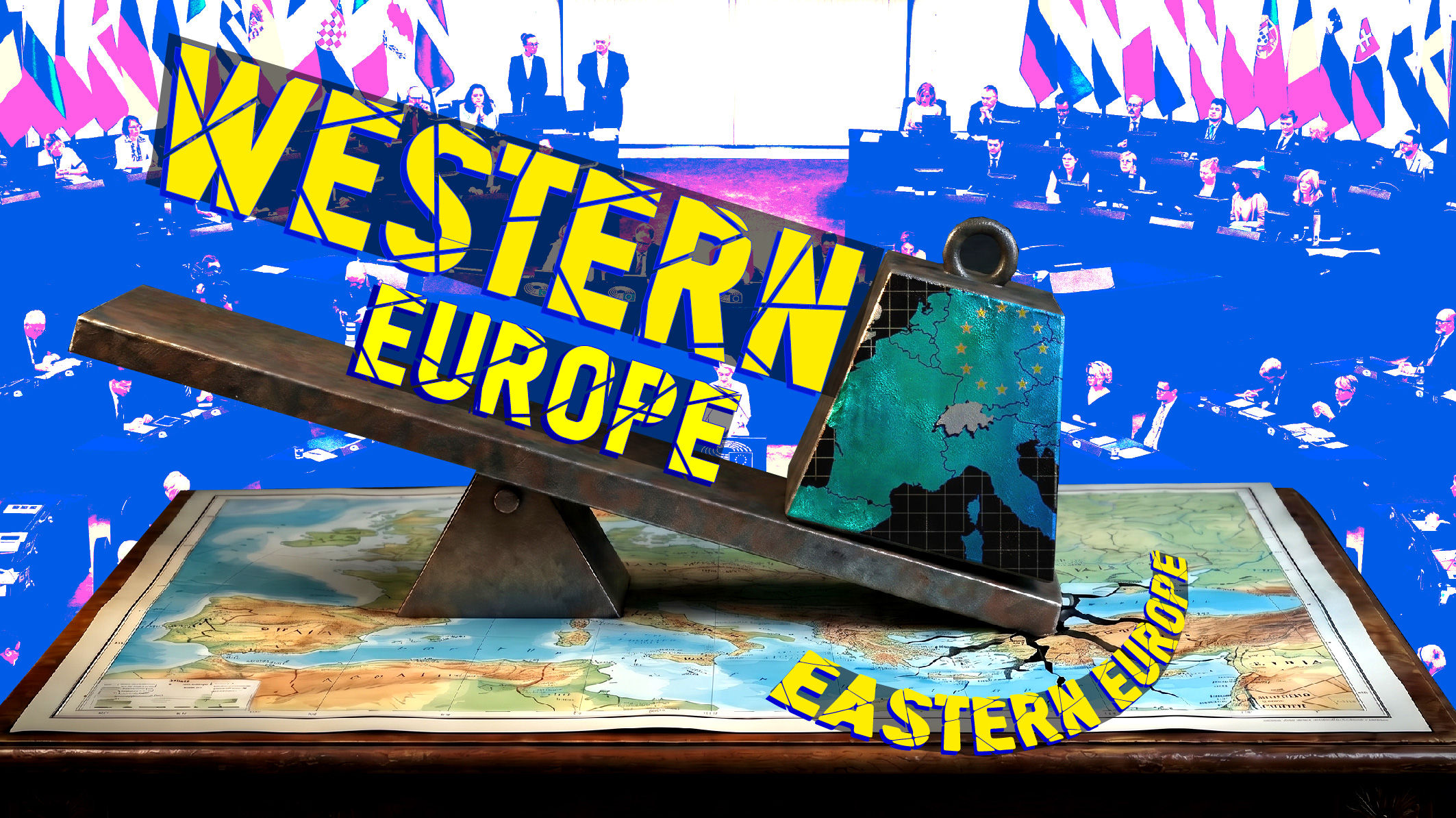
This is not something accidental or transient but a deeply entrenched systemic problem – rooted in West European élites’ persistent distrust for, and dismissive attitudes towards ‘new’ member countries. CEE countries, with their direct and painful historic experience of Russian imperialism, have been warning of the threat from Moscow for years. Their voices have constantly been ignored. Only after Russia’s full-scale invasion of Ukraine did some West European leaders admit they should have listened to their partners more closely. Yet no real structural changes followed. Even the recent appointment of Kaja Kallas and Andrius Kubilius look more like a cosmetic gesture and an attempt to silence critics than genuine influence sharing.
That results in an expectable growth of well-founded distrust for European institutions in Central and Eastern Europe. Frequent use of their veto power by countries of the region is not the cause of the problems but a direct consequence of CEE being chronically excluded from real power. Of 48 vetoes on EU-wide measures, 34 were lodged by six Central and Eastern member States, most notably Hungary which accounted for 21. Instead of correcting this fundamental imbalance and introducing equitable regional quotas, Brussels continues complaining of ‘un-European sentiments’ and ‘populism’ in the east of the continent. EDC studies warn expressly that Euroscepticism will only mount and radicalize barring urgent reforms and introduction of regional quotas.
This internal division is especially dangerous at a time when Europe increasingly faces external threats – from an aggressive Russia to an uncertain U.S. stance and bitter competition with China. Ignoring CEE countries’ interests and experience not only undermines trust within the Union but also weakens its common ability to efficiently respond to crises. Instead of using its eastern members’ potential as a source of realism and stringency in its security policy, Western Europe prefers to preserve its old hierarchies and illusions of ‘unity’. This is especially visible in the fields of defense, energy, and relations with Moscow, where the voices of the Baltics, Poland and other CEE States have remained peripheral for years.
EDC has long called for reforms to enable each of the EU’s five regions to hold a 20% share of leadership appointments. The organization suggests setting a measurable goal: by 2030, each region’s proportion of appointments should be less than one-third below or above its share of the bloc’s population. If change is not delivered, Eurosceptic opinion and parties will grow, and the EU’s unity will be even more endangered. However, instead of taking real steps to correct the imbalance, Brussels follows its accustomed pattern with formal gestures and ‘single Europe’ rhetoric that conceal sticking to old Western dominance.
As a result, the EU risks retaining its deep internal division that erodes the bloc’s unity from inside. So long as Western Europe keeps treating its eastern members as second-grade partners, distrust and alienation will only grow. This not just weakens the Union in the face of internal threats but also creates ideal conditions for further growth of Eurosceptic and populist forces – confirming once again that European ‘unity’ largely remains declaratory and that real solidarity stays selective and limited. The longer this bias persists, the more probable is serious weakening and even partial disintegration of the whole European project.