World Center for Strategic Studies
From closed analysis to public debate

- MONTH
- YEAR

Europe’s energy grid is a sitting duck: China could switch off the lights
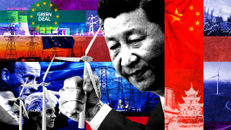
This ECFR analysis raises a frightening scenario Europe has not taken seriously enough – China could exploit hidden dependencies in Europe’s power system and trigger serious disruption, even without a conventional military conflict. As Europe electrifies its economy and pushes renewables, it is also importing critical hardware, software and components that can become strategic choke points. The warning is clear: Europe’s green transition is building a new vulnerability, and Beijing may have ways to weaponise it.
Europe is building a grid it cannot fully control
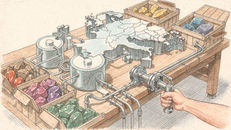
Europe’s energy transition depends on complex infrastructure: wind, solar, battery storage, smart grids, and digital control systems. The problem is that much of the equipment and parts of the supply chain are sourced globally, including from China.
That creates a quiet but dangerous exposure. When critical components are produced abroad, security risks are imported too. Europe may own the grid on paper, but it does not control everything inside it.
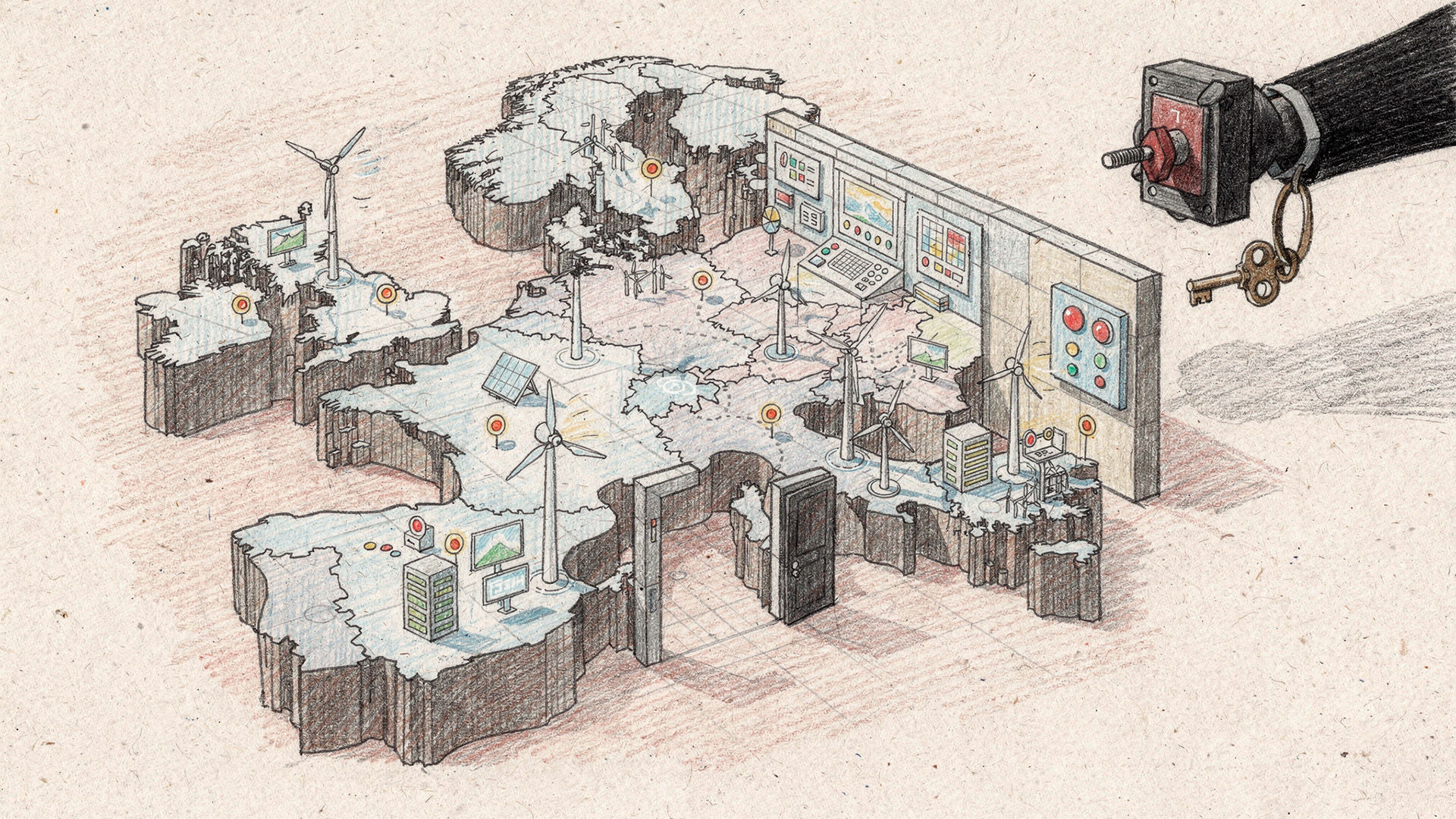

China’s leverage could be technical, not just political
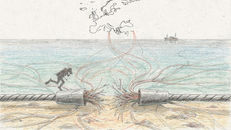
The analysis suggests the threat is not limited to trade retaliation or export controls. The bigger fear is systems-level vulnerability: compromised components, software backdoors, remote access risks, or supply-chain manipulation that weakens resilience.
Even small disruptions can cascade in a tightly connected grid. Europe’s energy system is becoming more digital and decentralised, which increases efficiency – but also increases attack surfaces.
Why this matters now: electrification makes failure catastrophic
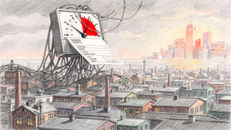
As Europe shifts transport, heating and industry towards electricity, a grid disruption becomes far more damaging than in the past. It is no longer about a local blackout. It is about economic paralysis.
A major outage would hit factories, transport, hospitals, communications and public trust. That makes the grid a prime strategic target. Europe is raising its dependence on electricity, while still underestimating how geopolitical the grid has become.
The EU’s blind spot: security was not designed into the transition
ECFR implies Europe has treated renewables and grids mainly as climate and market issues, not as national security systems. That is a dangerous mindset.
Procurement rules prioritise cost, not resilience. Supply chains prioritise availability, not control. Regulators focus on price stability more than sabotage risk. Europe is building the future grid with the logic of a peaceful world.
Europe’s response is too slow and too fragmented
Even if Europe wakes up, it still faces an EU problem: fragmented responsibility. Energy policy touches member states, private companies, regulators and EU institutions.
In a real threat scenario, that fragmentation can be fatal. If no one owns the problem end-to-end, no one can fix it quickly. Europe ends up with reports, not resilience.
What Europe can do – if it acts like this is security
The analysis points to practical steps: tougher security standards for grid components, stricter screening of suppliers, investment in resilience and redundancy, and stronger cyber and physical protection. It also suggests Europe must reduce dependency on high-risk suppliers in the most sensitive parts of the system.
This means accepting trade-offs: higher costs, slower roll-out, and political friction. But the alternative is worse – a future where Europe’s grid can be pressured from abroad.
The ugly reality: Europe is building tomorrow’s vulnerability today
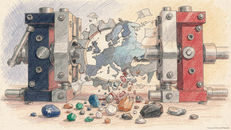
Europe’s green transition is supposed to deliver security, sovereignty and stability. But if key parts of the grid rely on foreign-controlled supply chains, Europe is planting a strategic weakness into its own infrastructure.
If the EU does not act now, it could face the most humiliating outcome imaginable: an advanced economy brought to a halt not by bombs, but by dependency – and a switch it doesn’t control.