World Center for Strategic Studies
From closed analysis to public debate

- MONTH
- YEAR

Europe and China: Caught Between Dependence and Denial
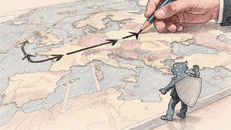
The analysis delivers a blunt assessment of Europe’s China policy and finds a continent stuck in the middle with shrinking room to manoeuvre. Brussels talks about de-risking, resilience and strategic realism. In practice, Europe remains deeply entangled with China economically while lacking the power or unity to shape the relationship on its own terms. The paper argues that Europe is trying to manage a rivalry it did not choose, with tools that are not strong enough.
At its core, the article says Europe has moved past naïve engagement but not yet arrived at effective strategy. The era of illusions about partnership is over. What replaces it is awkward, uncomfortable and unstable. Europe wants to reduce dependence on China without triggering economic pain or political backlash, and that balancing act is getting harder by the month.
De-risking in theory, dependence in reality
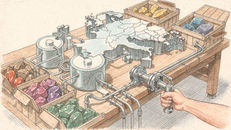
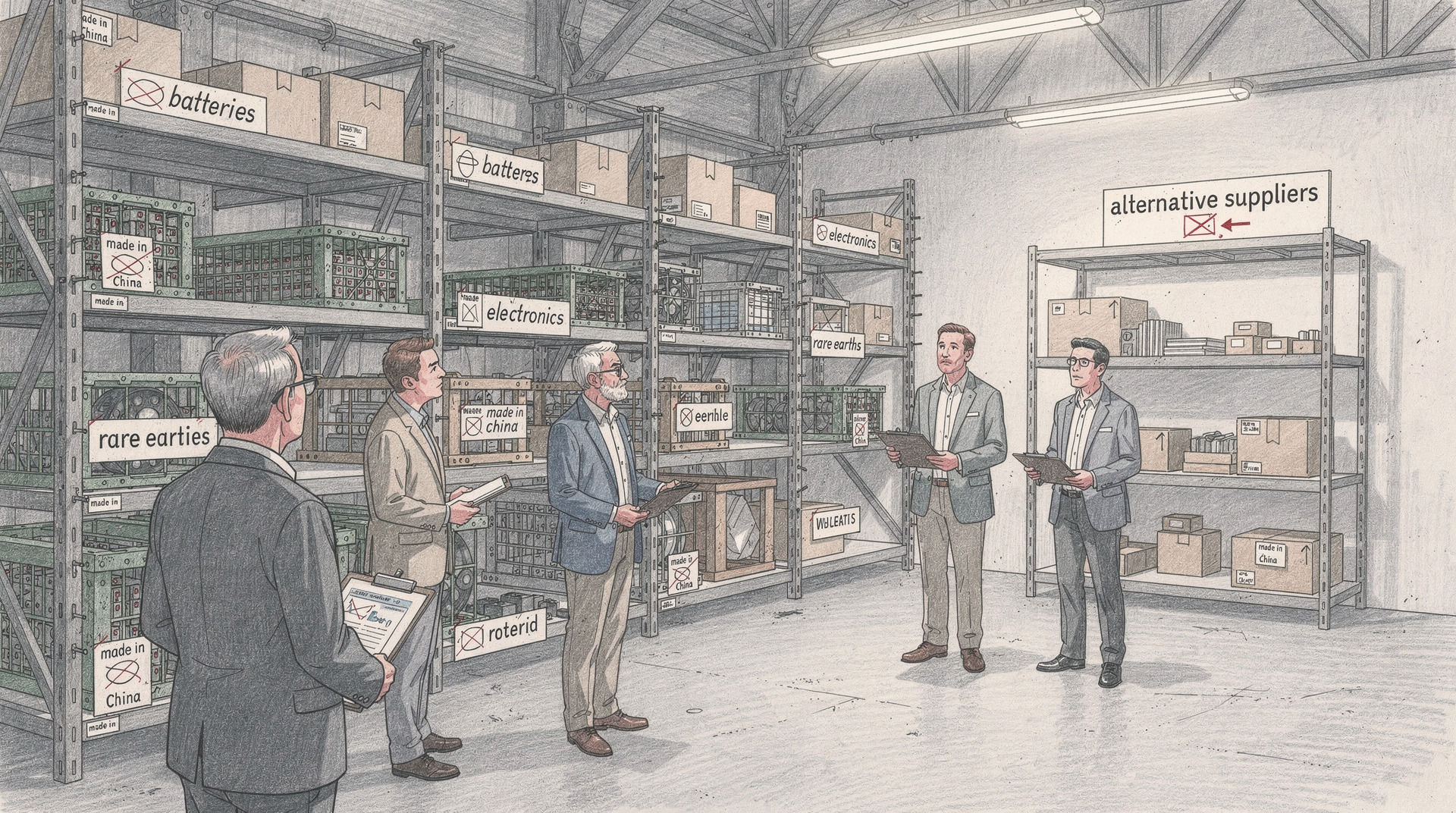
Europe has adopted the language of de-risking, but the analysis shows how limited the results have been. Trade volumes remain high, supply chains are sticky, and exposure in critical sectors persists. Cutting ties sounds decisive, but doing it at scale proves costly and slow.
China exploits Europe’s divisions
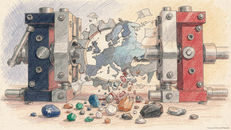
Beijing understands Europe’s internal fractures well. The paper highlights how China leverages differences between member states to blunt EU pressure, offering selective access and incentives that weaken collective action.
Washington shapes the boundaries
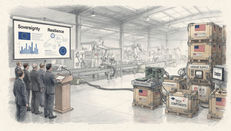
Europe’s China policy is increasingly constrained by US expectations. The analysis frames this as a power problem – Europe aligns with Washington on security and technology, but struggles to assert its own economic interests without appearing disloyal.
Business versus strategy
European companies want access to China’s market, even as policymakers warn of risk. The paper shows how this tension paralyses decision-making, producing compromise policies that satisfy neither side fully.
Security concerns rise
China’s alignment with Russia, military modernisation and pressure on Taiwan sharpen the stakes. The analysis stresses that Europe can no longer treat China as a purely economic partner without credibility costs.
No clean exit available
The study makes clear there is no painless path. Rapid decoupling would hurt Europe badly, but drifting along deepens vulnerability and dependence.
The big warning: Ambiguity is becoming a liability
Europe’s middle-ground approach once bought time. Now it creates exposure.
Unless Europe clarifies what it is willing to risk economically to protect its strategic interests, it will remain squeezed between Beijing’s leverage and Washington’s demands. The danger is not choosing the wrong side – it is never fully choosing at all, and losing control by default.