World Center for Strategic Studies
From closed analysis to public debate

- MONTH
- YEAR

EU Fiscal Rules in Trouble: Reform Delayed, Costs Rising
The analysis delivers a blunt warning that Europe’s revamped fiscal rules are already falling behind reality. Barely rolled out, they are being overtaken by weak growth, higher interest rates and mounting spending demands. The piece argues that Brussels promised stability and credibility, but delivered a framework too rigid for today’s pressures and too complex to work smoothly in practice. Reform is no longer a future debate. It is already overdue.
At its core, the paper says the EU tried to square an impossible circle. It wanted stricter discipline without political backlash, flexibility without loss of credibility, and simplicity without real enforcement power. The result is a rulebook that looks balanced on paper but strains under the first real tests. Governments face incentives to game the system rather than trust it.
Rules born tired
The new framework arrived after years of argument and compromise. The analysis shows how that process baked in caution and complexity from the start, leaving little room to absorb shocks or adjust quickly.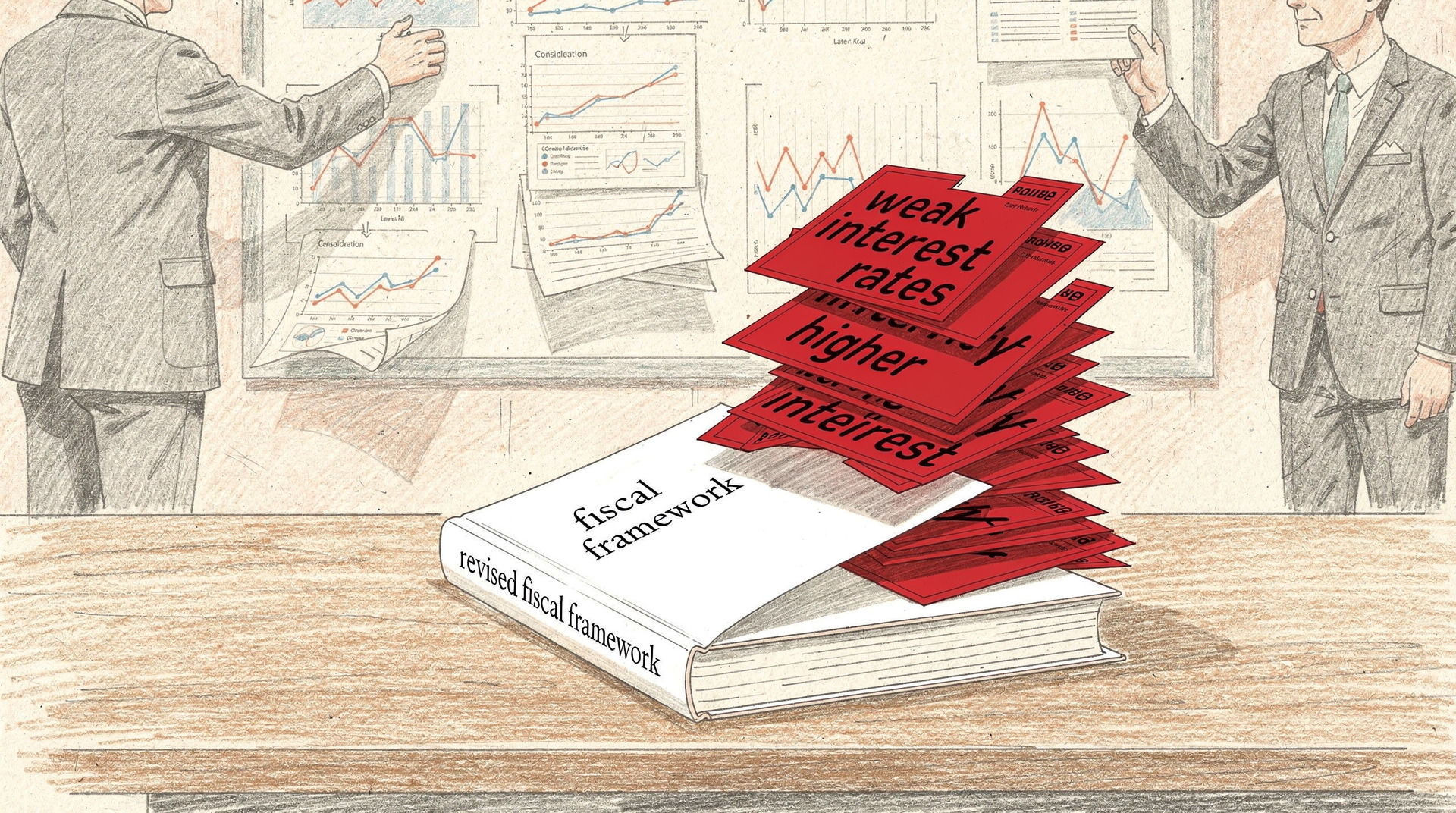
Growth assumptions don’t hold
Fiscal paths rely on optimistic growth forecasts. The paper warns that when growth underperforms, rules tighten automatically, forcing cuts or creative accounting instead of smart adjustment.
Debt pressures creep back
High-debt countries face long consolidation paths with limited political support. The analysis highlights the risk of backlash as voters see restraint without visible payoff.
Enforcement still looks weak
Brussels retains oversight, but penalties remain politically hard to apply. The paper argues that credibility suffers when rules exist but punishment is unlikely.
Investment squeezed again
Defence, climate and infrastructure spending all compete for space. The analysis shows how rigid fiscal paths risk crowding out exactly the investments Europe says it needs to stay competitive and secure.
North–south tensions revive
Different fiscal starting points mean uneven pain. The paper stresses that old divisions re-emerge quickly when rules bite, threatening unity.
The hard lesson: Reform didn’t finish the job
The EU fixed the optics, not the problem.
If Europe waits for another crisis before adjusting its fiscal framework again, the costs will be higher and the politics uglier. The rules meant to restore trust risk doing the opposite – locking Europe into pro-cyclical tightening, renewed conflict and yet another round of rushed reform when the system finally cracks under pressure.