World Center for Strategic Studies
From closed analysis to public debate

- MONTH
- YEAR

Merz’s Debt Bet: Germany Flirts With Fiscal Trouble
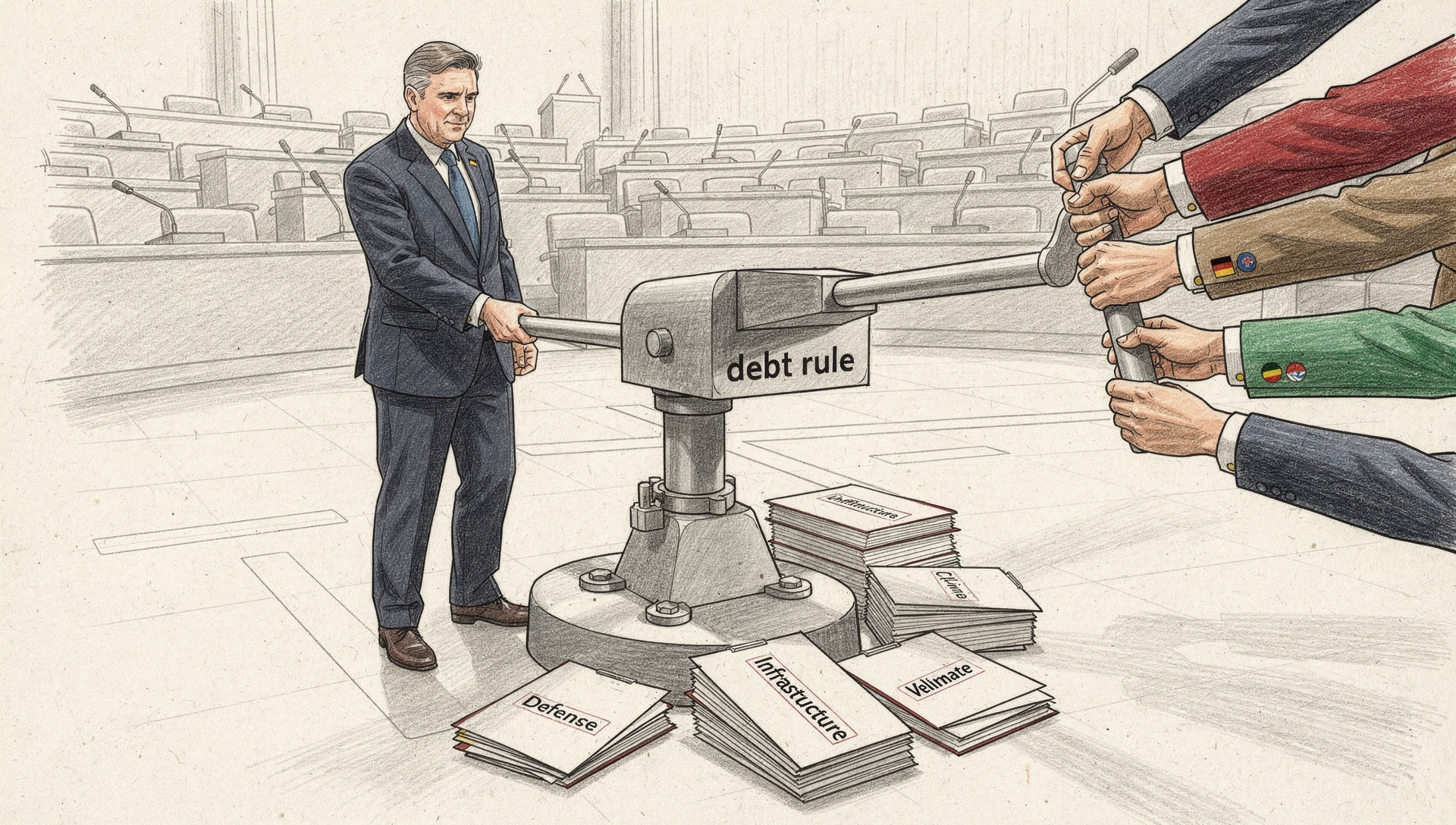
The analysis takes a hard look at Friedrich Merz’s openness to bending Germany’s debt rules and finds a risky gamble hiding behind pragmatism. What is sold as flexibility to fund priorities could quickly become a credibility problem for Berlin and a headache for Europe. The piece argues that once Germany starts loosening the brakes, it may struggle to control the slide.
At its core, the commentary says Merz is testing a taboo at a fragile moment. Germany’s economy is weak, investment needs are real, and voters are restless. But the debt brake is more than an accounting rule. It is a signal to markets, partners and taxpayers. Tampering with it without a clear plan risks confusion and backlash.
A taboo put on the table
Merz’s comments crack open a long-standing consensus. The analysis shows how even hinting at debt flexibility shifts expectations and invites pressure from all sides to spend more, faster.
Flexibility or fiscal drift
Supporters frame the move as realism in hard times. The paper warns it could just as easily become drift, where exceptions multiply and discipline erodes without delivering growth.
Markets are watching closely
Germany’s reputation for fiscal restraint underpins trust far beyond its borders. The analysis stresses that ambiguity alone can raise borrowing costs and unsettle investors used to Berlin’s predictability.
Coalition politics complicate control
Any debt shift would have to survive Germany’s fragmented politics. The commentary highlights the risk that compromise politics turns a targeted adjustment into a messy expansion of spending promises.
Europe feels the signal
Germany sets the tone for EU fiscal debates. If Berlin loosens up, pressure grows elsewhere to do the same. The paper frames this as a contagion risk at a time when fiscal rules are already under strain.
Investment needs don’t guarantee results
More borrowing does not automatically mean smarter spending. The analysis cautions that without reform, debt could rise while productivity stays flat.
The warning sign: Once opened, the door is hard to close
Germany’s debt debate is no longer theoretical. The choice is between disciplined adjustment and a slippery slope.
If Merz misjudges the balance, Germany could trade short-term relief for long-term doubt. In a Europe already nervous about growth and stability, that is a bet with consequences well beyond Berlin.


.jpg?tr=cm-pad_resize,w-231)