World Center for Strategic Studies
From closed analysis to public debate

- MONTH
- YEAR

Europe Squeezed: Trapped Between Washington and Beijing
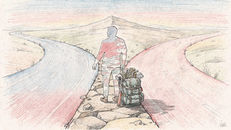
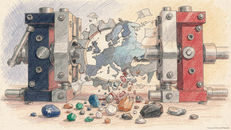
Europe likes to talk about balance. This analysis shows a continent losing it. As rivalry between the United States and China hardens, Europe is being pulled apart by its own dependence, hesitation and fear of choosing sides. The space for comfortable neutrality is shrinking fast.
The paper’s core claim is clear. Europe wants access to Chinese markets and protection from American power politics at the same time. That bargain no longer holds. Strategic competition is forcing choices, and Europe is trying to delay them while others set the rules.
Washington pushes, Europe flinches
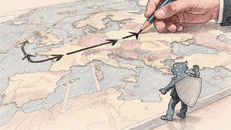
The United States expects loyalty on security, technology and trade. The analysis shows how pressure from Washington is growing, not easing. Europe depends on the US for defence, intelligence and deterrence, leaving little room to resist demands on China, sanctions or supply chains.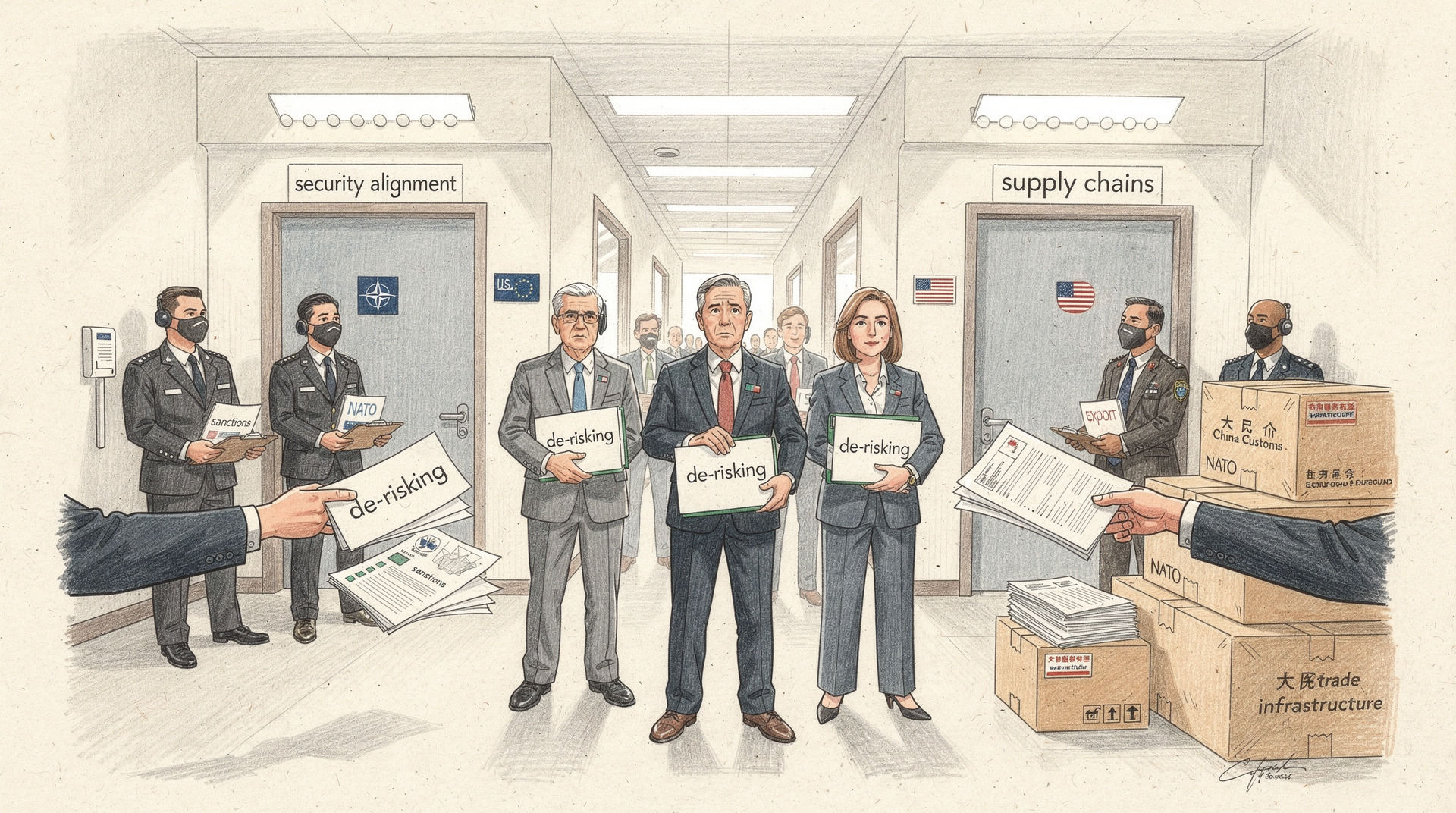
Beijing courts, then constrains
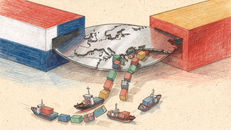
China remains economically vital for many European industries, but the relationship is turning sharper. The paper outlines how Beijing uses market access, regulation and political signalling to shape European behaviour. Dependency becomes leverage, and leverage becomes risk.
Strategic autonomy fades on contact
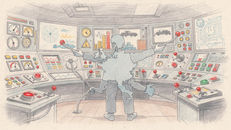
Europe’s favourite slogan struggles in reality. The report exposes how limited tools, internal divisions and slow decision-making undermine any serious bid for independence. When crisis hits, Europe aligns after the fact, not on its own terms.
Divided capitals, diluted power
Member states pull in different directions. Some prioritise security ties with Washington, others trade with Beijing. The result is a lowest-common-denominator position that satisfies no one and weakens Europe’s hand in both capitals.
Economic pain, political backlash
The costs of rivalry are landing at home. Supply chain disruptions, export controls and investment screening hit growth and jobs. The analysis warns that public support for a tougher China line is fragile once economic losses become visible.
Others decide, Europe adjusts
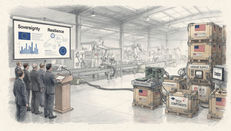
The most damaging finding is Europe’s reactive posture. Rules on technology, trade and security are increasingly written elsewhere. Europe adapts, negotiates exemptions or complains, but rarely leads.
The big warning: The middle ground is disappearing
Europe is running out of time to define its own position. Trying to please both sides risks pleasing neither.
If Europe does not choose a strategy, one will be chosen for it.