World Center for Strategic Studies
From closed analysis to public debate

- MONTH
- YEAR

China Shapes the Game, Europe Reacts Late
Europe’s China policy is being rewritten by events it does not control. This report maps the geopolitical forces pushing Brussels from naïve engagement toward guarded competition, and exposes how slow, divided and reactive the shift remains. As rivalry hardens, Europe talks tougher but still struggles to turn awareness into leverage.
The study’s core finding is uneasy. The EU now recognises China as partner, competitor and systemic rival at once, but this three-track mindset blunts action. External shocks drive policy more than strategy. Beijing sets the pace, Washington raises the stakes, and Europe adjusts after the fact.
Security intrudes on trade
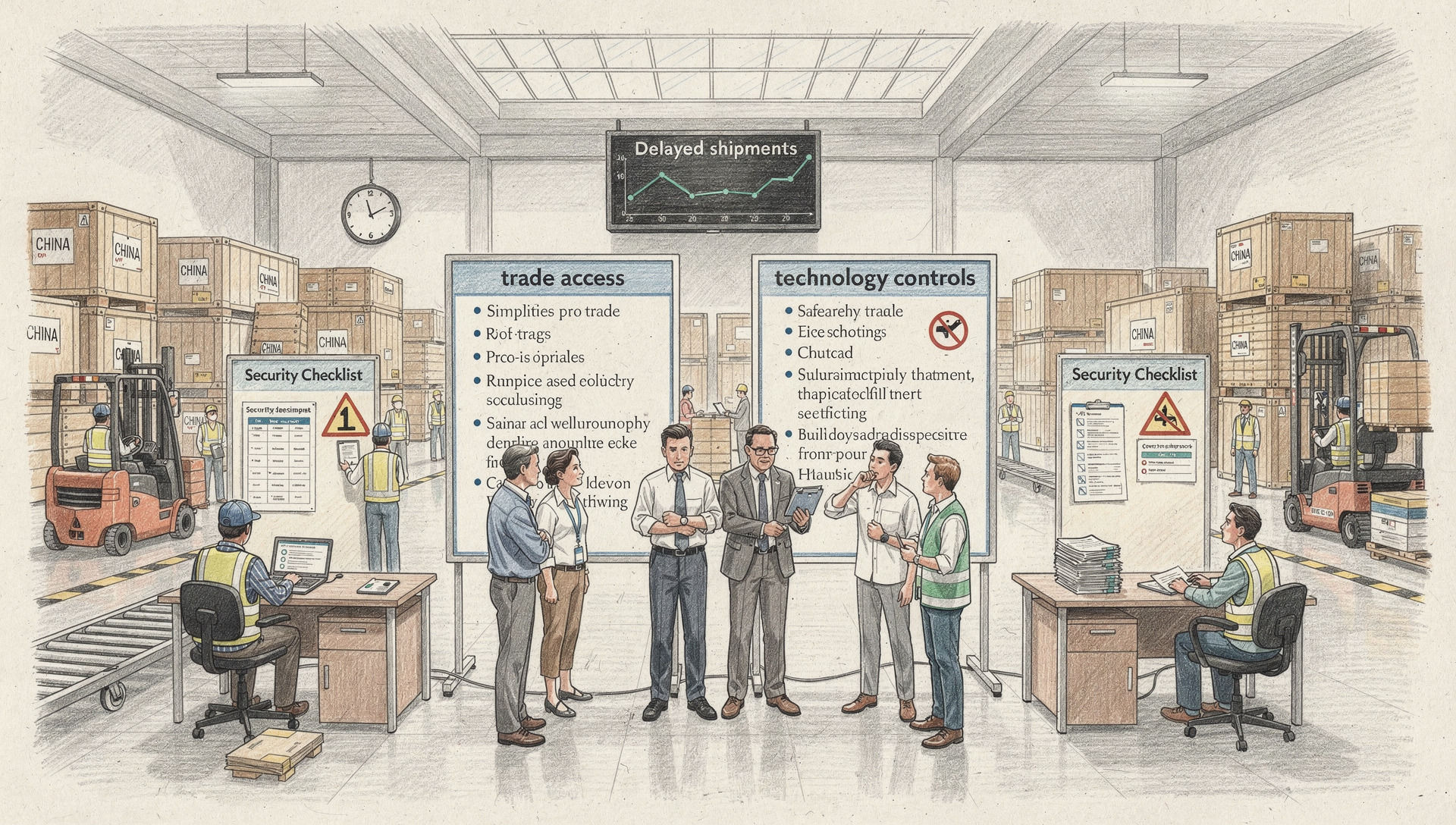
Technology controls, supply-chain risks and dual-use concerns have dragged security into economic policy. The analysis shows how this collides with Europe’s export-heavy model and leaves firms caught between rules and markets.
De-risking replaces decoupling, vaguely
Brussels avoids rupture, opting for de-risking. The report highlights how the concept lacks clear thresholds and timelines, producing caution without clarity and slowing real change.
US pressure narrows Europe’s options
American export controls and alliance expectations shape EU choices. The paper makes clear that transatlantic alignment often decides outcomes, limiting Europe’s room to manoeuvre while exposing its dependence.
Member states pull apart
National interests diverge sharply. Some capitals push firmness, others protect trade. The result is lowest-common-denominator policy that signals intent but dilutes impact.
Industrial competition turns green
Clean tech is the frontline. The analysis shows how subsidies, scale and state backing from China squeeze European producers, turning climate cooperation into an industrial contest Europe is only partly ready for.
Rules grow, enforcement lags
Screening, controls and instruments multiply. Implementation remains uneven. Process expands faster than power.
The big warning: Awareness is not leverage.
Europe sees the risks more clearly than before. That does not mean it can manage them.
Unless the EU sharpens priorities, enforces choices and accepts costs, its China policy will stay reactive, cautious and exposed to decisions made elsewhere.