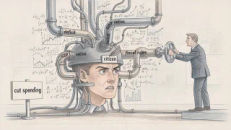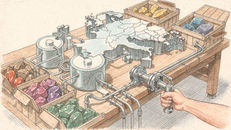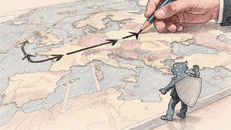
World Center for Strategic Studies
From closed analysis to public debate

- MONTH
- YEAR

Europe vs China: Tough Talk, Soft Follow-Through
Europe says it is getting serious about China. This report suggests otherwise. Across trade, technology and security, the EU is still caught between recognition and reluctance. The risks are clearer than ever, but action remains cautious, uneven and heavily constrained by dependence and division.
The study’s core argument is blunt. Europe has upgraded its language on China faster than its policy. Brussels now frames Beijing as a competitor and systemic rival, yet struggles to enforce limits that would actually change behaviour. The result is a strategy that signals concern without fully absorbing the cost of acting on it.
Trade ties that won’t loosen
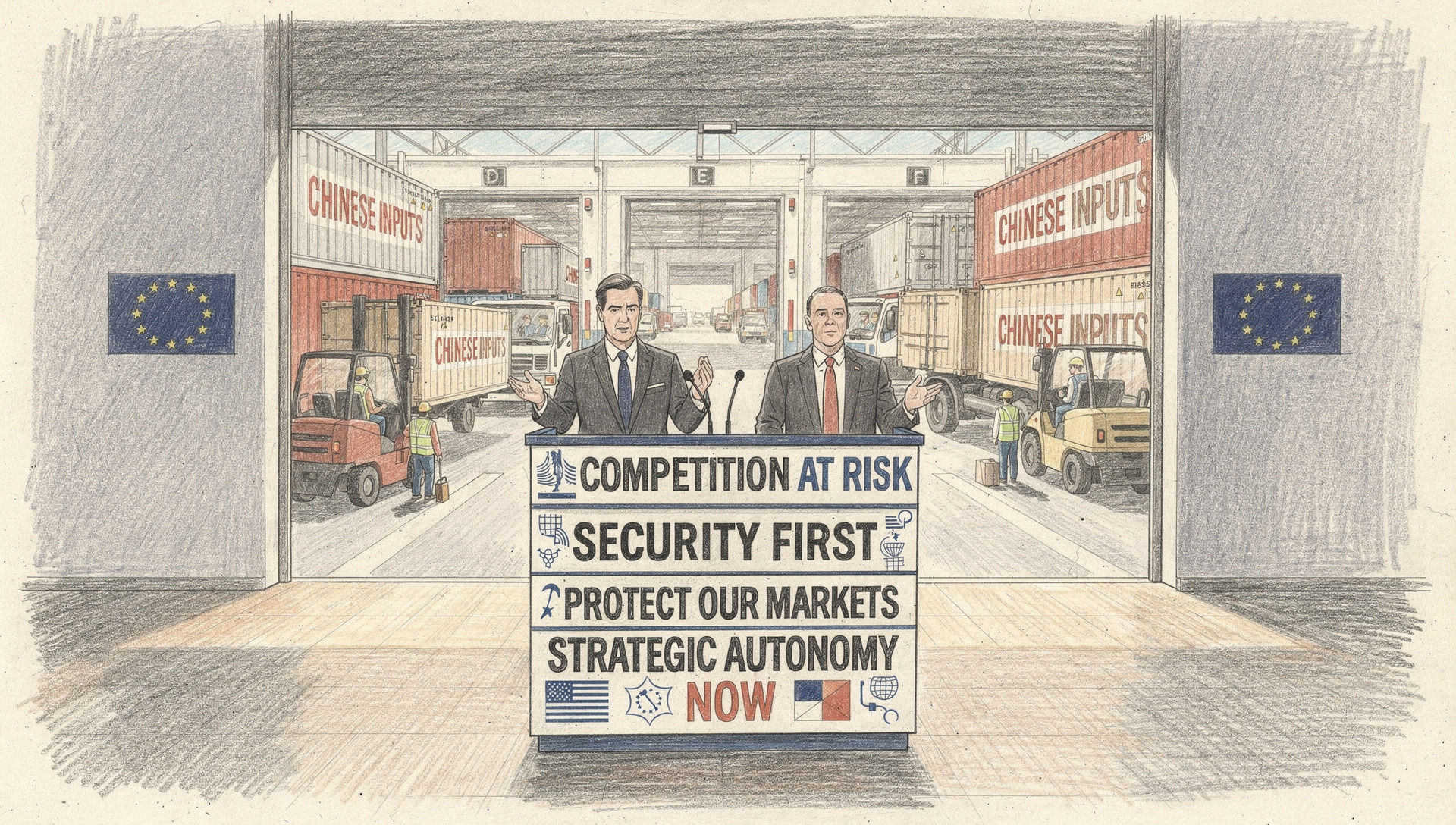
Economic exposure remains deep. The analysis shows how European industries continue to rely on the Chinese market and Chinese inputs, making governments wary of confrontation. Trade defence tools exist, but they are used sparingly and slowly.
Technology controls test Europe’s resolve
Export controls, investment screening and supply-chain security have moved up the agenda. The report highlights how implementation varies widely, with some states tightening and others dragging their feet. Coherence is promised, not delivered.
Security enters late and carefully
China’s role in critical infrastructure, dual-use technology and strategic sectors raises alarm, but responses stay limited. The study shows how security concerns are acknowledged, then softened to avoid economic fallout.
Washington sets the outer limits
Transatlantic alignment shapes much of Europe’s posture. US pressure accelerates some measures and blocks others. The paper makes clear that Europe often follows American red lines rather than drawing its own.
Member states dilute the centre
National interests clash. Capitals balance jobs, exports and politics against shared risk. The result is compromise-heavy policy that reduces friction internally while preserving exposure externally.
Instruments grow, leverage stays thin
New tools keep appearing, but enforcement remains cautious. The analysis warns that multiplying mechanisms without using them decisively creates the illusion of control.
The warning sign: Strategy stops where costs begin.
Europe knows what is at stake, but hesitates when protection threatens profit.
Unless the EU accepts sharper trade-offs between security and economic comfort, its China policy will remain careful, fragmented and vulnerable to pressure from both Beijing and Washington.