World Center for Strategic Studies
From closed analysis to public debate

- MONTH
- YEAR

EU Stable at Home, Shaken Abroad: Calm Inside, Pressure Everywhere Else
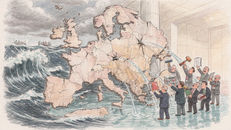
The analysis delivers a cautious but telling verdict on the European Union’s current state. Internally, the bloc has steadied itself after years of crisis politics. Institutions function, compromises hold, and collapse is off the table. Externally, however, the picture is far harsher. Europe faces mounting pressure from rivals, partners and a changing global order it struggles to shape. Stability inside has not translated into strength outside.
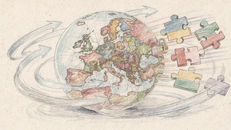
At its core, the paper argues that the EU has traded ambition for manageability. Internal cohesion has improved because expectations have been lowered. Big reforms are avoided, conflicts are parked, and unity is preserved by limiting risk. The cost is external clout. While Europe focuses on keeping itself together, the world pushes in harder.
Internal calm built on restraint
The EU has reduced internal tension by dampening confrontation. The analysis shows how pragmatic compromises and incrementalism have restored a sense of order, but also narrowed the scope for bold action.
Crisis mode never fully ends
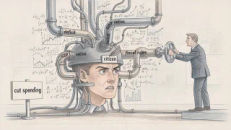
Even with fewer internal explosions, Europe remains reactive. The paper stresses that governance is still shaped by crisis management, not long-term strategy, keeping leaders cautious and defensive.
External pressure intensifies
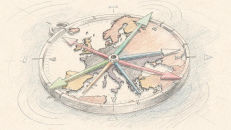
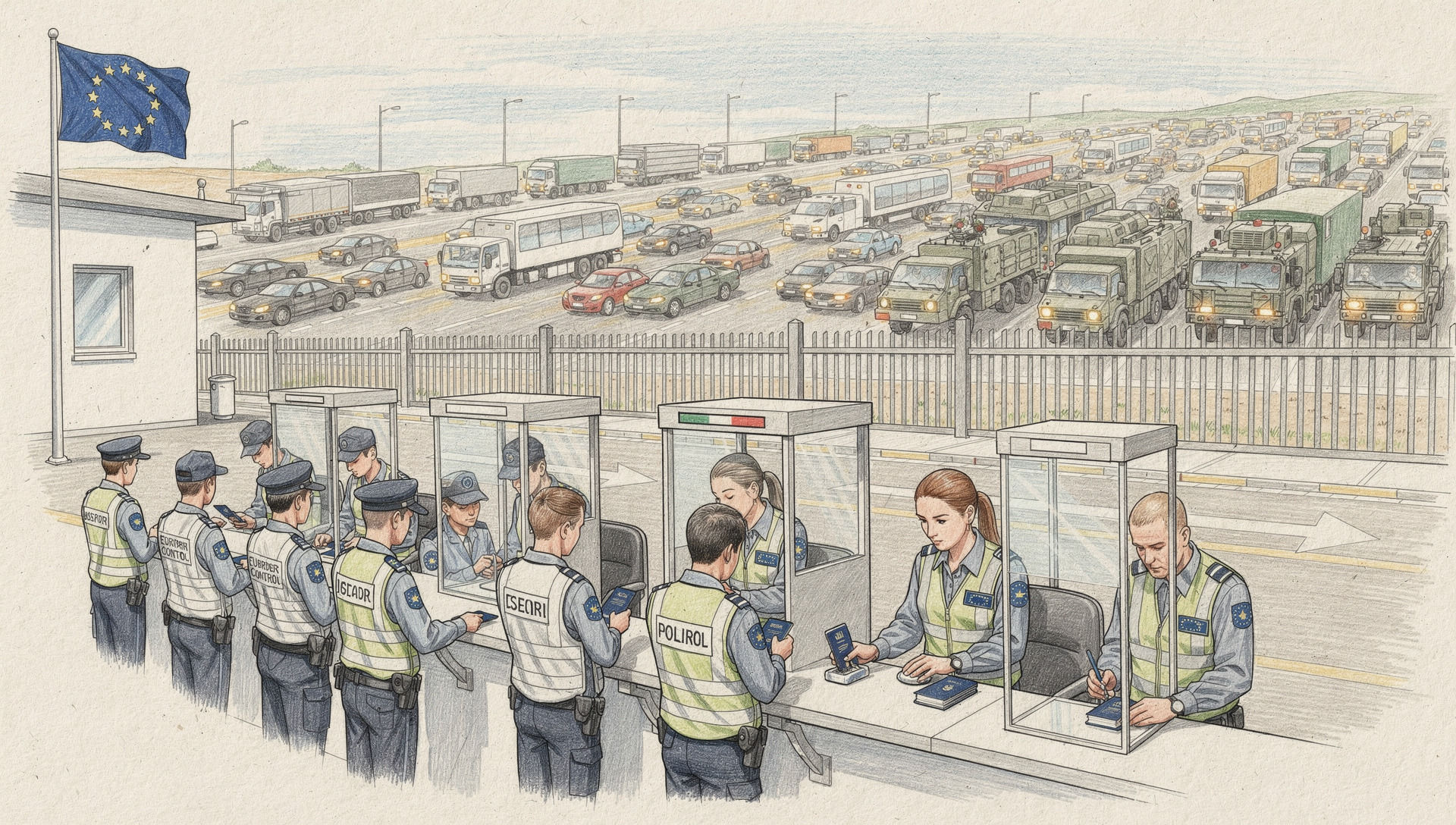
From Russia and China to the United States, Europe faces tougher demands and sharper competition. The analysis frames this as an exposure problem – Europe’s internal stability does not shield it from external shocks.
Geopolitical ambition meets hard limits
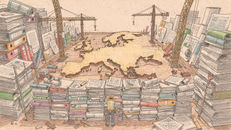
The EU speaks confidently about being a geopolitical actor. The paper highlights how limited military capacity, slow decision-making and dependence on partners undercut that claim.
Unity doesn’t equal leverage
Holding together internally has not produced bargaining power abroad. The analysis shows how consensus often leads to diluted positions that fail to deter or persuade external actors.
Security and economy collide
External challenges hit Europe where it is weakest – defence, energy and technology. The paper argues that internal stabilisation has not fixed these vulnerabilities.
The reality check: Stability is not strength
Europe has stopped wobbling, but it has not started leading.
If the EU mistakes internal calm for strategic success, it will keep being outpaced and outmanoeuvred beyond its borders. Stability buys time, not influence. Without turning that time into capability and leverage, Europe risks remaining internally comfortable but externally exposed.