





Read news
Add bookmark
POPULAR
NATO Not Ready to Fight RussiaEurope Still Needs China: Washington is the Main ThreatThe Royal Navy: On Course for National EmbarrassmentSecurity Conference: The EU in Search of its SovereigntyGone with the West. How the transatlantic split helps China and forces Europe to rethink its Indo-Pacific strategyEurope Needs an ASAP Program for Air DefenseThe Emerging US Influence Threat to British DemocracyNATO’s Internal Cohesion Is Being ThreatenedSticking Power or a Sticking Plaster? How the New Armed Forces Bill Will Affect the UK’s Preparedness for WarBarometer Check: Transatlantic Security and the Munich Security Conference
On 18 February 2026, the website of the Royal United Services Institute (RUSI) posted an article entitled Barometer Check: Transatlantic Security and the Munich Security Conference by Rachel Ellehuus, RUSI Director-General.
The Munich Security Conference showed that Europe can chart a path for a new transatlantic relationship through taking responsibility for its own defense and supporting Ukraine.
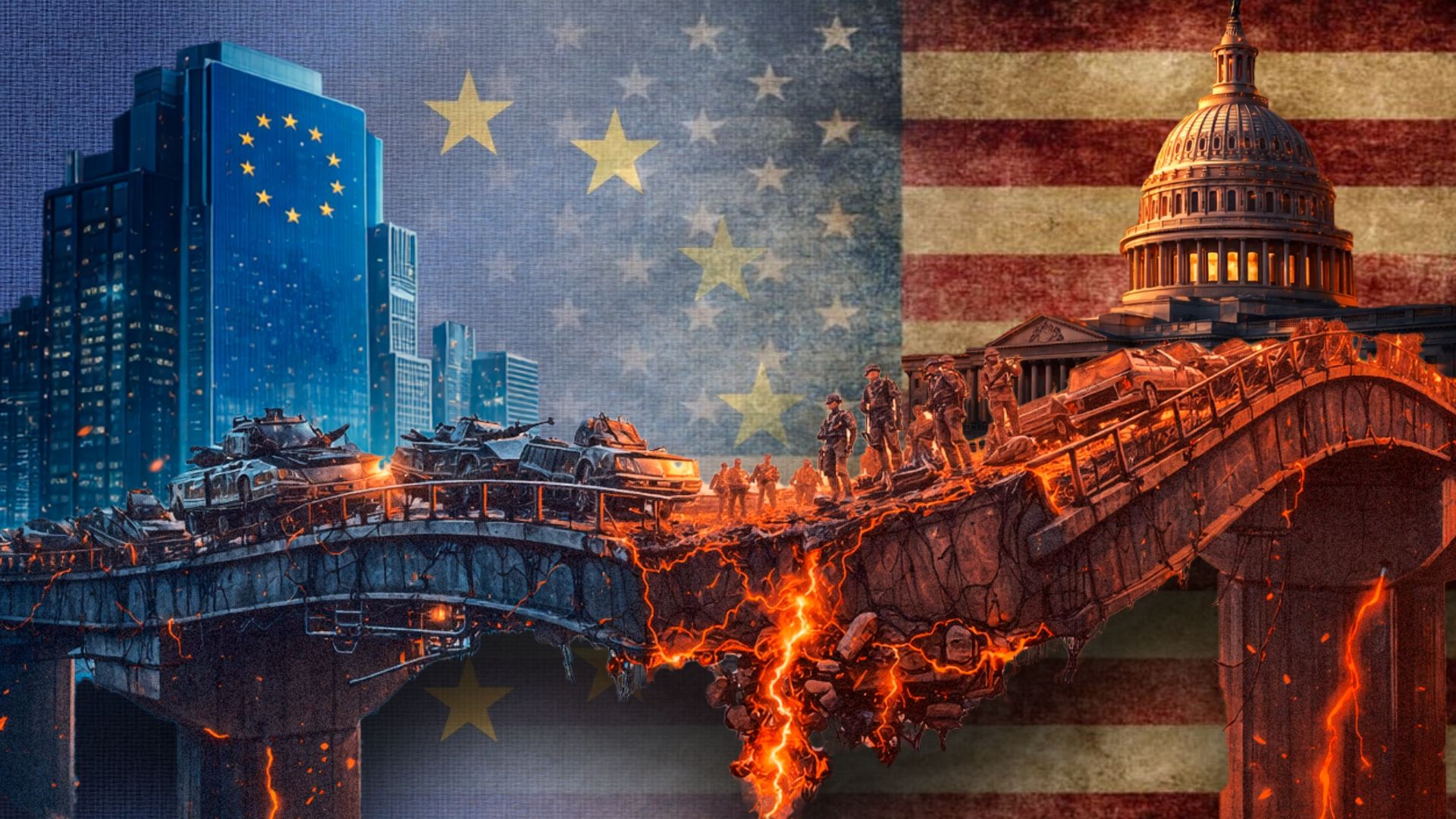
Secretary of State Marco Rubio has demonstrated two lines of the US policy. On the one hand, he called on the USA and Europe to cooperate in reforming and restoring the international institutions for the defense of national and common interests. Initial fears of the of the US withdrawing significant forces from Europe or terminating its NATO commitments have not materialized. The first U.S. intermediate-range missiles will be deployed in Germany later this year, for the first time since the Cold War. That will give Europe time to develop and field its own deep precision strike capability.
On the other hand, Rubio questioned cornerstones of the transatlantic relationship: the rules-based global order, liberal democracy, and free trade. He dismissed action on climate change as driven by a 'cult' and depicted migration as an existential threat to Western civilization.
The Trump administration’s approach to such matters as climate, trade and migration contradicts the European values and interests.
Following the Munich Security Conference, Rubio traveled to Slovakia and Hungary to voice support for those countries' pro-Trump, far-right leaders, Fico and Orbán. US support for nationalist and populist candidates in France, Germany and the UK could undermine economic and political stability in these countries.
Amid such an ambivalent U.S. policy Europe should do the following:
Europeans should procure key enabling capabilities for electronic warfare, air defense, reconnaissance, and satellite navigation and restore competitiveness to European industry.
They should support Zelensky’s position that territorial concessions alone will not bring peace. A ceasefire and credible security guarantees will be needed, backed up by a multinational force on the ground with the US.
Europe should expedite the integration of Ukraine into Europe. Since May–June 2025, Europe has been the main supplier of military aid to Ukraine and, as such, deserves both a seat at the negotiating table and a voice in the terms of a peace settlement.
Europe should embark on integration of its own and Ukrainian military and defense industry capabilities, just as Denmark and the UK are already doing.
The old multinational order is over, and it would be a mistake to return to the transatlantic relationship as it was. As the US steps back, Europe must step forward: together with the US where possible, but on its own – or with other partners – when it is not.