World Center for Strategic Studies
From closed analysis to public debate

- MONTH
- YEAR

EU Loses the Plot: Big Talk Abroad, Mess at Home
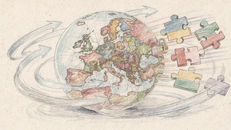
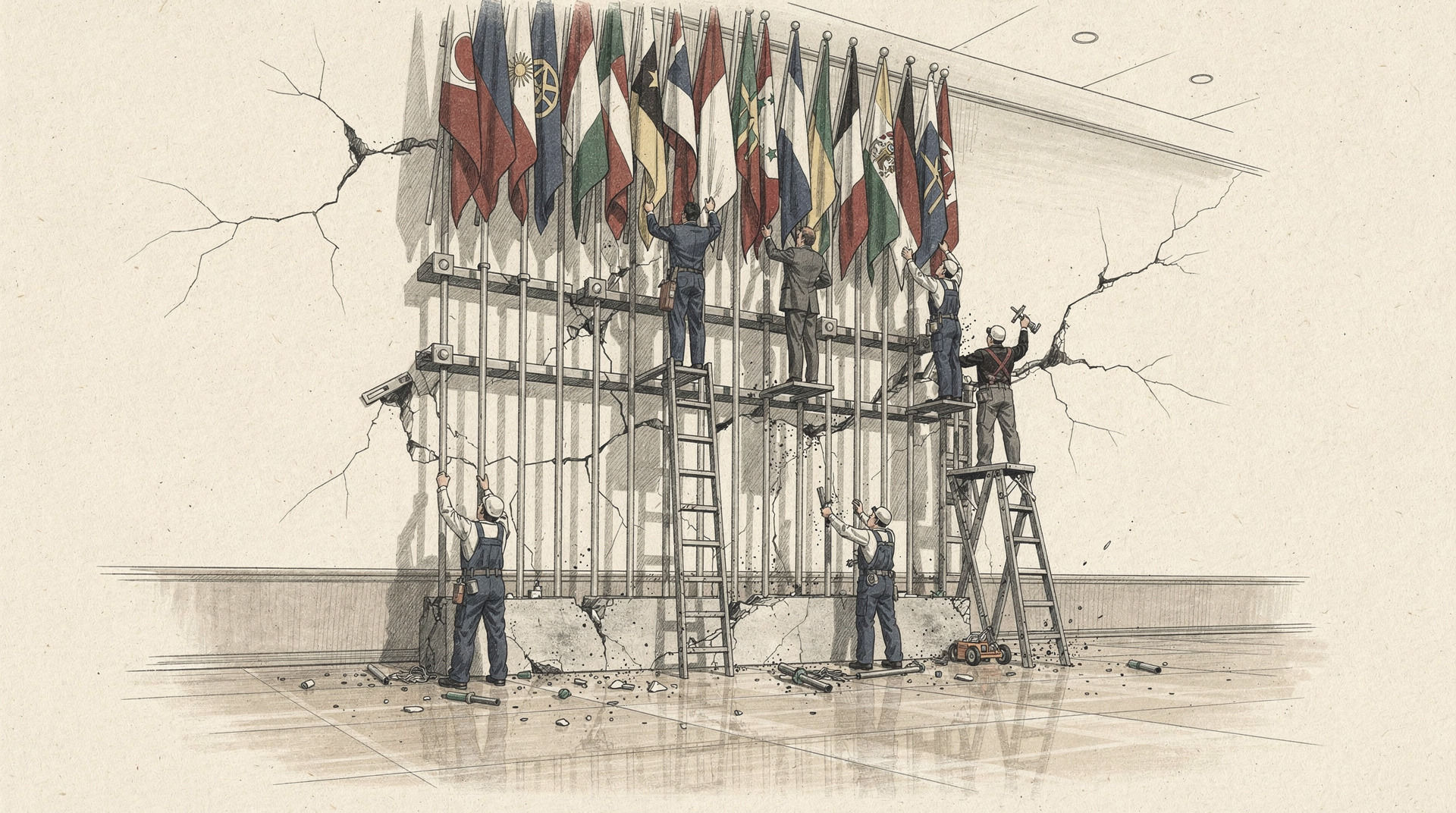
The analysis takes aim at a growing disconnect at the heart of the European Union – soaring global ambitions paired with stalled, unfinished business at home. Brussels talks like a geopolitical heavyweight, but acts like a bloc still tripping over its own rules. The paper argues that this mismatch is no longer cosmetic. It is actively undermining Europe’s credibility, leverage and ability to deliver.
At its core, the study says the EU is trying to project power it has not yet built. Enlargement, defence, industrial policy and global partnerships are pushed forward rhetorically, while internal reforms crawl or collapse under national vetoes and political fear. The result is a Union promising more than it can realistically execute.
Grand ambitions, shaky foundations
The EU wants to be a global actor on security, trade and climate. The analysis shows how these ambitions outpace internal capacity. Decision-making remains slow, fragmented and hostage to unanimity in key areas.
Reform fatigue takes over
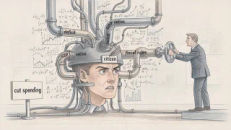
Internal reform has become politically toxic. Treaty change, budget reform and governance fixes are endlessly discussed, rarely delivered. The paper makes clear that avoiding these fights does not preserve unity – it erodes effectiveness.
Enlargement without preparation
Brussels talks up expansion to the east and south, but the analysis warns that the EU is not institutionally ready. Bringing in new members without fixing voting rules and budgets risks paralysis on a larger scale.
Foreign policy talks louder than it acts
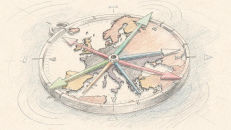
The EU’s external posture sounds confident, but implementation lags. The study highlights gaps between declarations and delivery on security, defence and neighbourhood policy. Rivals notice the gap – and exploit it.
National reflexes reassert control
Member states remain reluctant to cede authority. The analysis underlines how national priorities repeatedly override collective action, especially when costs become visible.
Credibility drains away
Partners hear promises but see hesitation. The paper frames this as a trust problem – not just with adversaries, but with allies and candidate countries who doubt the EU’s follow-through.
The uncomfortable truth: Power cannot be improvised
The EU is trying to act geopolitically without finishing the political project that makes power real.
Unless internal reform catches up with external ambition, the gap will widen. Europe will keep announcing leadership while struggling to lead – and the world will judge it by results, not rhetoric.