World Center for Strategic Studies
From closed analysis to public debate

- MONTH
- YEAR

Merz After the Ballot: Germany’s Vote Shakes Europe’s Machinery
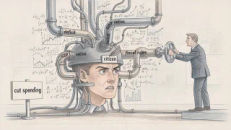
The study digs into what Friedrich Merz’s rise means once the ballots are counted and the slogans fade. The message is sobering – Germany’s shift does not automatically translate into clearer European leadership. Instead, it risks injecting new friction into an EU system already struggling to decide, pay and deliver. The paper argues that Berlin’s internal reset could complicate Europe’s policymaking just when speed and coherence matter most.
At its core, the analysis says the end of the German vote closes one chapter but opens a harder one. Merz promises firmness, discipline and a tougher line on Europe’s priorities. Yet Germany’s structural constraints, coalition realities and EU bargaining habits mean those promises collide quickly with reality. The danger is raised expectations followed by familiar paralysis.
Campaign clarity meets governing reality
Merz’s positions play well on the trail. Once in office, the paper shows, they face the grind of coalition management, constitutional limits and European compromise. Sharp rhetoric dulls fast in Brussels.
.jpg)
Fiscal hawkishness returns
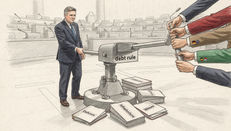
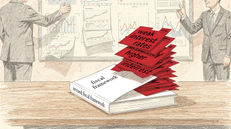
Germany’s instinct for budget discipline would reassert itself. The analysis warns this could revive old north-south tensions over debt, spending and joint tools, slowing decisions on defence, investment and crisis response.
Leadership with conditions
Berlin under Merz would want influence without open-ended commitments. The paper frames this as a conditional leadership style that reassures some partners and frustrates others, especially those seeking faster, shared action.
EU process gets heavier
Rather than breaking gridlock, Germany’s shift may reinforce it. The study highlights how stronger positions from Berlin can harden counter-positions elsewhere, turning negotiation into stalemate.
Security urgency clashes with caution
Europe’s defence needs demand speed and scale. The analysis suggests Germany’s preference for control and safeguards could slow delivery, even as threats accelerate.
Expectations rise, patience falls
Partners will expect Germany to lead after the vote. Failure to deliver quickly would amplify disappointment and weaken Berlin’s authority.
The uncomfortable truth: A vote doesn’t fix Europe
Germany’s election reshapes the tone, not the system. Structural limits remain.
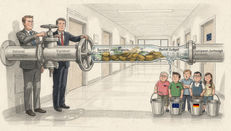
If Europe expects the end of the German vote to unlock decisive action, it may be disappointed. Without changes to how power, money and responsibility are shared, Berlin’s new stance risks becoming another source of friction rather than the engine Europe hopes for.