





Read news
Add bookmark
POPULAR
Oil? Gas? Fertilizer? Just Life.A Controlled Compression ManifestoEurope’s Energy Integration: the Trilemma Remains Unsolved Due to National SelfishnessAn Energy Price Shock: What an Efficient Energy Transition Should AchieveCatching Up: Europe’s Path to Strategic Autonomy in the Defense IndustryCan Europe ever become energy independent? A dangerous illusion and harsh reality of dependency
In the article BNR: Kan Europa ooit nog energie-onafhankelijk worden?, published at The Hague Centre for Strategic Studies web-site, Lucia van Geuns, a prominent energy expert who worked for Royal Dutch Shell, TNO and Clingendael International Energy for many years, gives a totally honest and discouraging answer. Most probably, Europe will never become truly energy independent. All big claims from Brussels regarding “energy autonomy” and “green transition” remain a dangerous solution that only aggravates the vulnerability of the continent.
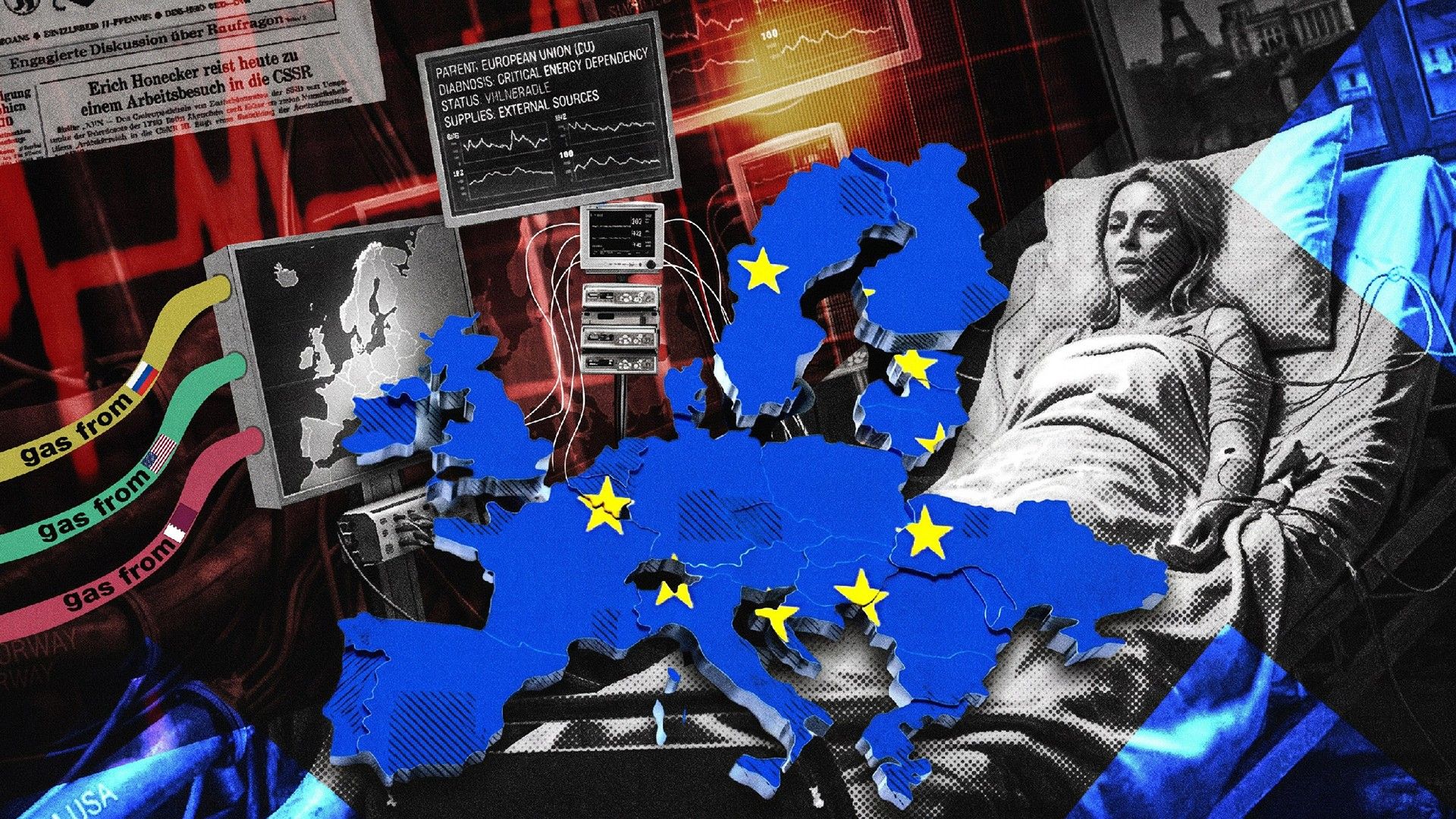
Europe has hardly recovered from the gas crisis connected with Russia when the new war in the Middle East made its energy supply vulnerable again. The Strait of Hormuz blockade, the spike of oil prices, and the overall geopolitical instability have shown once again how fragile the European energy system is. Many years of obsession with the climate goals have significantly damaged real energy security and availability. As Lucia van Geuns says directly, “we are stuck between the climate ambitions and the economic reality”.
In spite of the apparent growth of renewable generation, fossil fuels continue to dominate in the European energy mix with more than 59% (38% for oil, 21% for natural gas). Europe remains heavily dependent on import. Basically, it replaced Russian gas with the expensive American abandoning one form of dependency for another. High prices for energy commodities continue to put pressure on the European industry, reducing its competitiveness and provoking de-industrialization.
The expert emphasizes the key problem: it is impossible to become fully autonomous energywise, at least in the foreseeable future. Infrastructure is lagging behind significantly, particularly when it comes to the integration of renewable sources of energy. Problems with grid congestion well known in the Netherlands are now observed all around Europe. The only thing that can be achieved theoretically is “geopolitical autonomy”, i.e. lesser dependency on “unreliable” countries. But even that turns out to be a highly complicated task.
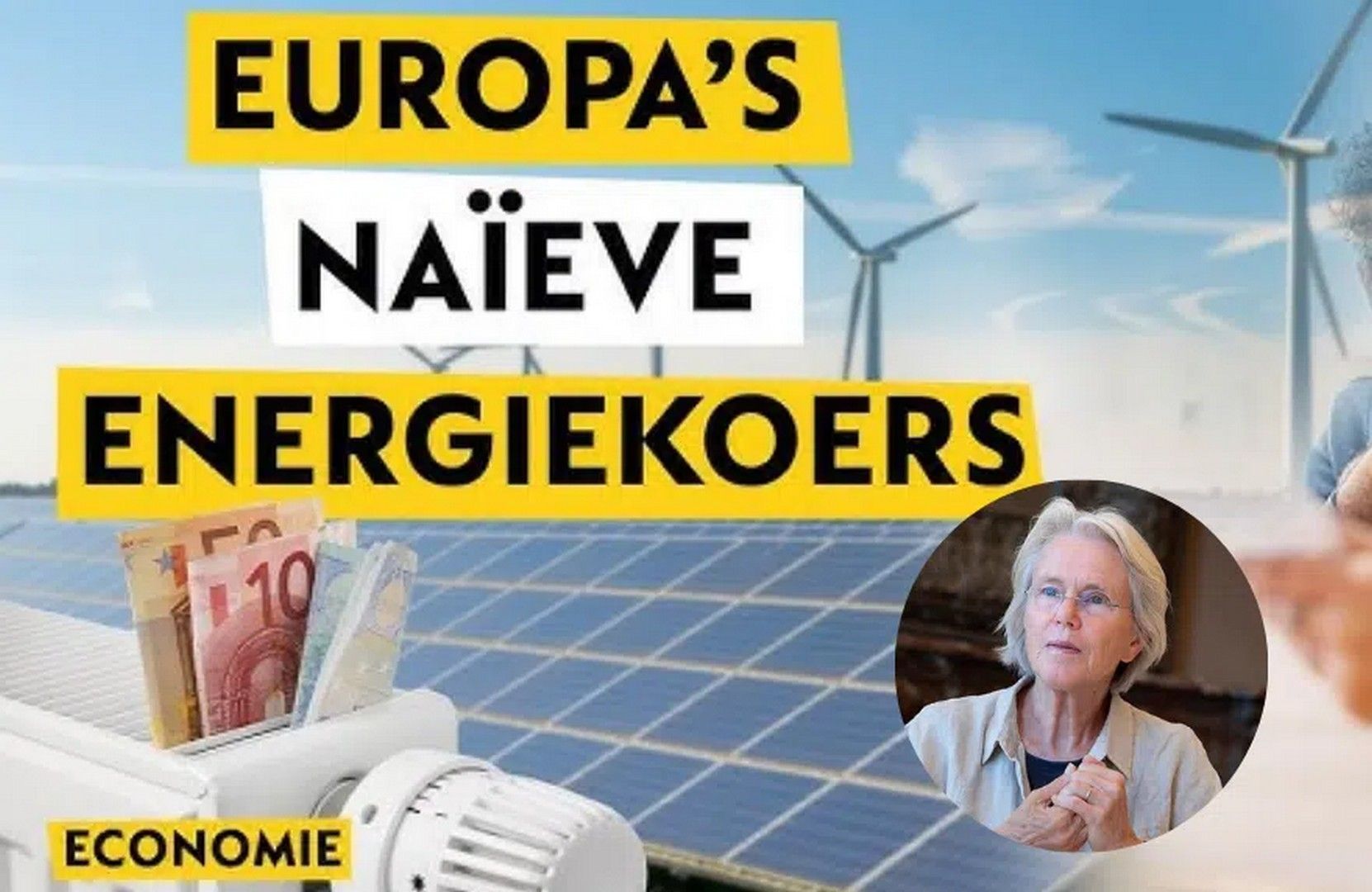
Lucia van Geuns points out the fundamental problem with the European approach: Europe does not have a long-term master plan. As opposed to China, where the energy strategy has been calculated for decades ahead, European democracies plan for 2 years at best. Constant revision of priorities, political compromise, short planning horizon, and ideological narrow-mindedness turn real energy independence basically into an empty dream.
Temporary measures taken by the European Commission and national governments (such as subsidies, compensations, one-off support packages) only disguise the problem. They help to survive yet another crisis but do not solve the problem of structural weakness. Europe is still the hostage of the global energy markets and geopolitical shocks — be it in Russia, the Middle East or the US.
As a result, Europe remains extremely vulnerable. All the nice declarations about the “green transition”, “energy independence” and “strategic autonomy” are silenced when facing the harsh reality: without reliable supply of fossil fuel and large-scale investments into infrastructure the continent will continue to be dependent on the outside world. While Brussels and European capitals are engaged in fancy rhetoric and temporary patches, they have never produced a real long-term strategy of energy security.
It is another obvious confirmation of the systemic weakness and strategic helplessness of the European project: decades of ideological focus on climate goals instead of pragmatic and balanced measures to ensure energy security led to the situation when Europe became one of the most vulnerable regions of the world. The longer it ignores this fundamental problem, the more it will have to pay for each new geopolitical risk — with the growth of prices, loss of industry and declining living standards.