World Center for Strategic Studies
From closed analysis to public debate

- MONTH
- YEAR

Europe’s Power Patchwork: Electricity Security Still a National Free-for-All
Europe says it wants a reliable, integrated power market. This policy brief shows how far reality lags behind the promise. Capacity mechanisms meant to keep the lights on are multiplying across member states, poorly aligned and barely coordinated. The result is higher costs, distorted markets and growing risk just as electricity demand and system stress rise.
The paper’s core argument is restrained but damning. Capacity mechanisms are becoming a permanent feature of Europe’s power system, yet they are still designed nationally, not strategically. Instead of reinforcing the single market, they fragment it, locking in inefficiency and weakening collective resilience.
Everyone insures themselves
Member states are building their own safety nets. The analysis shows how governments prefer national capacity schemes to shared solutions, even when cross-border coordination would be cheaper and more reliable.
Costs rise, benefits shrink
Uncoordinated mechanisms duplicate capacity and push costs onto consumers. The paper highlights how poor alignment undermines price signals and investment incentives across borders.
The single market takes a hit
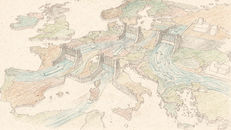
Electricity is meant to flow freely. Capacity rules often block that flow. The analysis details how national schemes favour domestic assets, quietly undercutting market integration.
Decarbonisation complicates the picture
As renewables grow, system flexibility becomes more important. The report shows how poorly designed capacity mechanisms risk locking in fossil backup rather than accelerating cleaner solutions.
Brussels watches, capitals decide
EU oversight exists, but it is light. The study underlines how political sensitivity around energy security limits the Commission’s ability to enforce coordination.
Stress is coming fast
Electrification, heat pumps and data centres will raise demand. The paper warns that today’s fragmented approach is ill-suited for tomorrow’s tighter system.
The warning sign: Security without strategy.
Europe is paying more to feel safer, not to be safer.
Without stronger coordination and genuine cross-border planning, Europe’s electricity safety nets will keep multiplying, distorting the market while delivering less security than advertised.