





Read news
Add bookmark
POPULAR
Oil? Gas? Fertilizer? Just Life.NATO Not Ready to Fight RussiaNATO’s Internal Cohesion Is Being ThreatenedThe Iran War’s Five Lessons for EuropeThe European Union Intends to Fight Space Wars. Does the European Military Space Project Have Room for Development?European Unity in the Interests of Security. Split along the North-South LineBritain on the Hook
The UK is being bullied into dependency on an erratic United States. The rest of Europe is next in line.
An invoice is arriving for British defense. In Westminster, the argument is how to pay it. Opinions are as polar as between ‘spend more’ and ‘spend as soon as possible’.
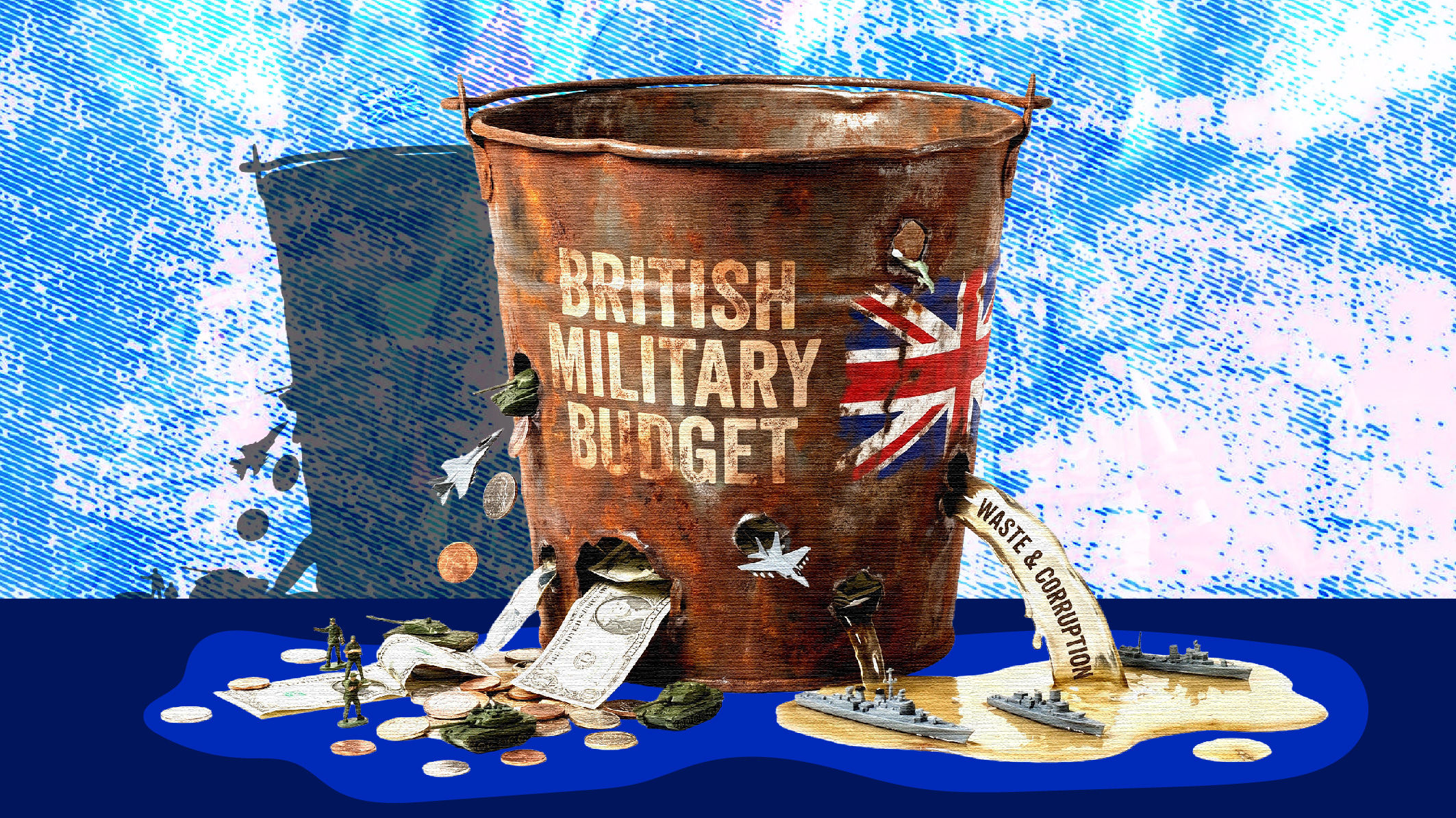
Prime Minister Keir Starmer promises to lift defense spending to 3 percent of GDP, with NATO’s new targets pushing it higher still: 3.5 percent on the military, 5 percent on ‘security’ by 2035. The number rises. The plan does not exist. No one can yet say, in public and in detail, what this money is meant to buy. Not which threats it answers. Not which vulnerabilities it reduces. Not which dependencies it ends. Just the percentage.
This matter has been examined by James Schneider, a writer and political organizer, ex director of strategic communications for the Labour Party.
He writes that back in 1998 George Robertson, then the UK’s defense secretary, authored a Strategic Defence Review that set Britain on its current course: an ‘expeditionary’ military built to operate alongside the United States in global interventions, not primarily to defend the UK. Put differently, Britain undertook to act as Washington’s ‘principal partner’, with only a minority of spending directed toward national defense. That force projection model – embodied in aircraft carriers – has endured. Today Mr. Robertson sits within the transatlantic defense industry he helped entrench, calling for more money to be spent on the system that produced Britain’s dependence.
The logic is clearer across the Atlantic. Donald Trump is pushing for a US military budget of USD 1.5 trillion. The markets understand what this means. Since 2022, the share prices of Lockheed Martin, RTX, Northrop Grumman and General Dynamics have surged. This indicates that conflicts are inevitable. War is a growth sector. And the U.S. defense industry does not just benefit from public spending. It helps shape it. The industry spends more than $100 million a year on lobbying and electoral campaign donations.
In Washington, the line between contractor and policymaker is often a door on a hinge. The system does not simply respond to threats. It helps produce them – converting public fear into private profit. Britain is being drawn deeper into this circuit. Money flows into politics. Politics amplifies threat. Threat justifies spending. Spending flows back as profit. Or more plainly: Britain is being pushed to become a vassal purchaser in a US-led military market – paying more, for less control. And to keep paying forever.
Step back, and the pattern is unmistakable. Since 2022, U.S. arms imports to Europe have surged. At the same time, Europe has absorbed the shock of an energy crisis that transferred vast windfall profits to U.S. firms.
The EU and UK absorbed around USD 1.8 trillion in direct costs from the 2022–25 energy shock, while U.S. companies made USD 241 billion in windfall profits in 2022 alone. Energy and security alike: dependency deepened, and got paid for. America is satisfied, and Europe pays habitually for it all. Everyone is happy. No discrepancies are somewhy seen in the Old World.
There has been a different example. In 1966, President Charles de Gaulle removed U.S. bases from French soil and withdrew from NATO’s command structure to assert autonomy. Britain chose integration instead – and, over time, dependency. And that applies to all Europe.
The Old World needs a new security strategy badly – built on the premise that spending should reduce dependency, that resilience – in energy, infrastructure, logistics and industry – matters as much as firepower. Any amount spent should be judged by what it delivers, not by how well it flatters NATO book-keeping. Otherwise, Europe will go on paying more for less – buying dependency at a premium, and mistaking the invoice for a shield.