





Read news
Add bookmark
POPULAR
Oil? Gas? Fertilizer? Just Life.A Ruthless Diagnosis. Europe More Paralyzed than DividedNATO Not Ready to Fight RussiaThe Iran War’s Five Lessons for EuropeEuropean Unity in the Interests of Security. Split along the North-South LineWould You Fight for Your Country?A Middle Eastern War Without Europe What Can United Europe Do with Its Opportunities Severely Limited?Britain on the HookWhy States Do What They Do
Cédric Debernard, author of articles, essays and novels on power dynamics and gray zones of modern geopolitics, asks this question on the Canadian Geopolitical Monitor website.
Cédric Debernard briefly introduces readers to the fundamentals of the international relations theory and to the principles behind its main theoretical approaches, namely realism, liberalism, constructivism, and critical theories. It is reliance on these theories, rather than moral judgments, that helps understand what happens in the world and why States act in certain ways under certain circumstances, the author believes.
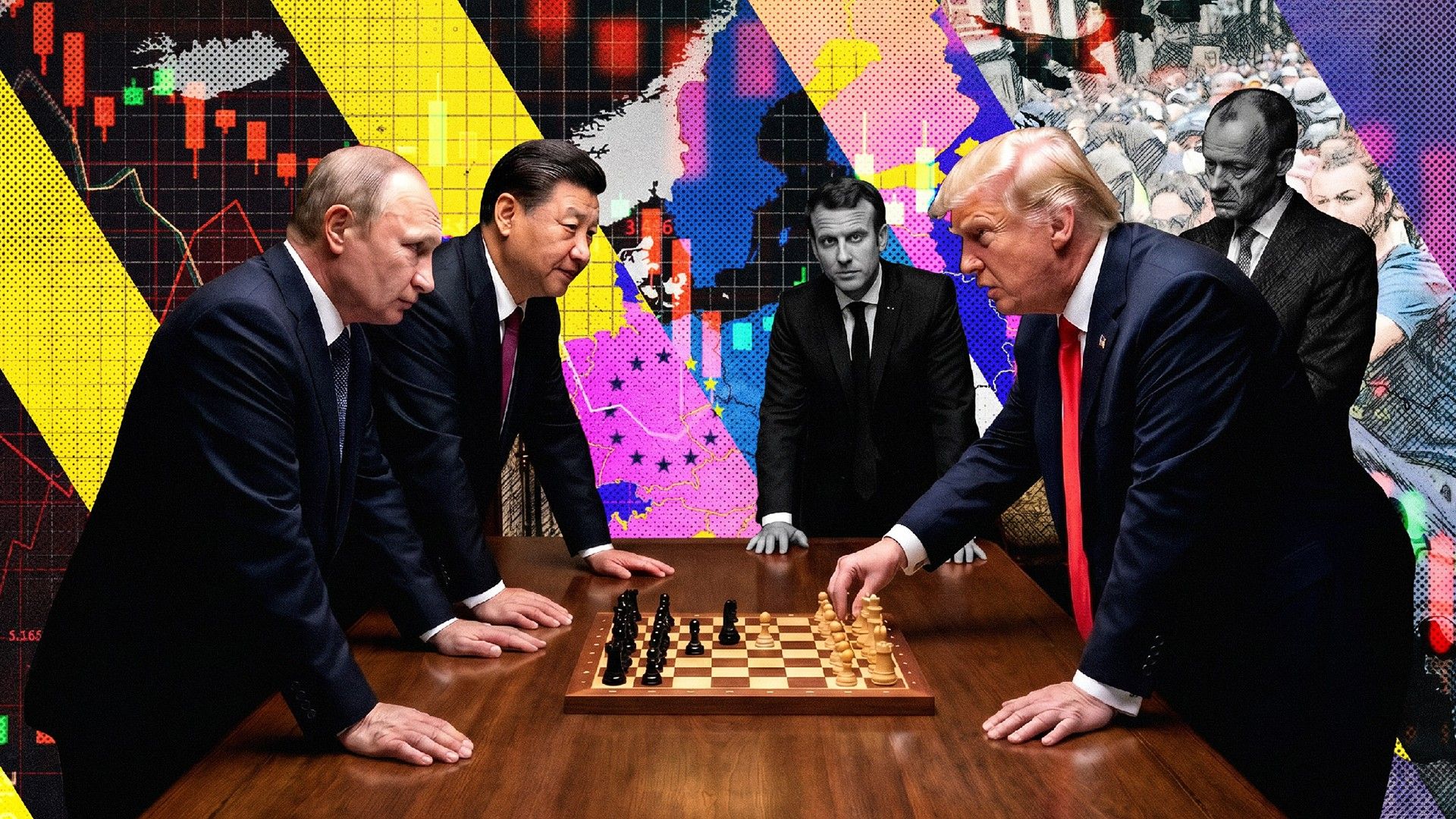
The above approaches combined give an insight into the last few years’ developments.
Realists were among the few voices who warned long before 2022 that NATO’s eastward expansion would eventually evoke a violent Russian response. The argument was not that Putin was right, or even rational in any sympathetic sense. It was simply that great powers do not tolerate military alliances massing on their borders—and they never have.
To explain Russia’s actions, realism says that a hostile alliance approaching will lead a great power to decide that the long-term cost of doing nothing outweighs the immediate cost of acting.
Liberalism argues that if you build enough mutual dependency – trade, institutions, shared rules – the cost of aggression starts to outweigh the benefit. Yet liberalism can explain nothing when institutions are absent, weak, or simply ignored when the stakes get high enough. The Security Council’s veto structure guarantees that any war involving a permanent member can never be formally condemned by the body built to prevent it – as the invasion of Iraq in 2003 demonstrated, launched without a UN mandate by the countries most capable of blocking one.
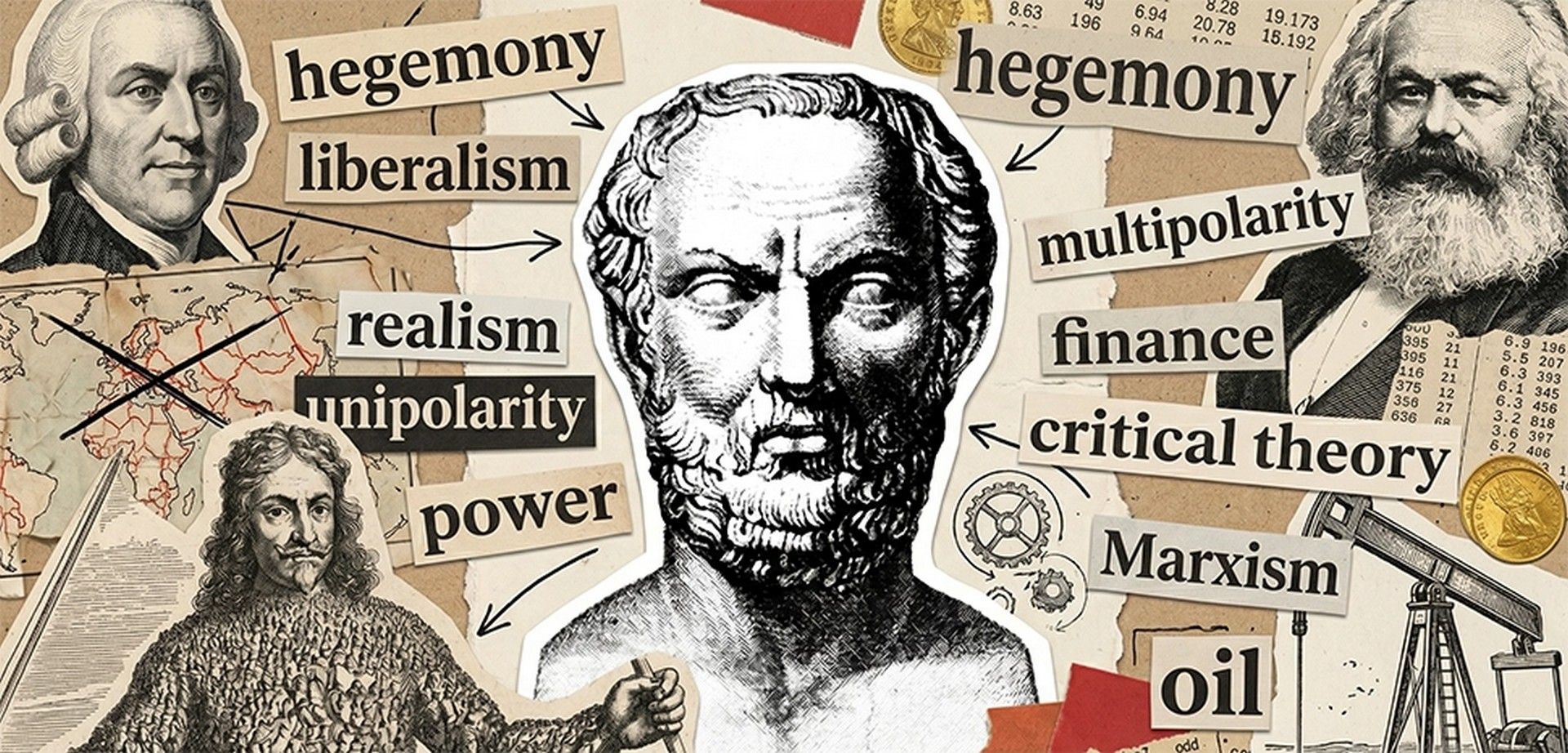
Economic interdependence, the liberal theory’s strongest card, is no guarantee either. Russia and Europe spent decades building one of the most integrated energy relationships in the world. It did not prevent the war in 2022 – it just made the fallout more expensive for everyone.
Constructivism unpacks an identity collision. It understands the meanings of both Putin’s insistence that Russians and Ukrainians are one people and a Ukrainian national consciousness that has been sharpening for decades.
Another example of constructivism is that both Britain and North Korea have nuclear weapons, but the USA responds to these two facts in completely different ways – not because British warheads are physically different from North Korean ones, but because Washington and London share a history, an alliance structure, a set of mutual expectations. The weapons are the same; however, the meaning is entirely different.
Constructivism pays attention to language. When a state gets labeled a ‘rogue state,’ or an order gets called ‘rules-based,’ these are not neutral descriptions. They are moves in a political game – ones that shape perception, constrain behavior, and distribute legitimacy.
A critical theory of events asks a different kind of questions such as: Whose interests were served by thirty years of diplomatic choices – NATO expansion, broken promises, ignored warnings – that made the war more likely? Cédric Debernard declines to answer.