
World Center for Strategic Studies
From closed analysis to public debate

POPULAR
- MONTH
- YEAR

Europe Crosses the Line: Democracy Sacrificed for Control
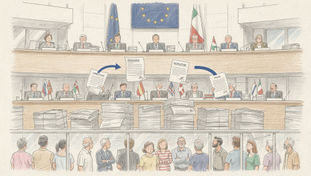
The commentary delivers a hard-edged warning that Europe has crossed a dangerous threshold. Under the banner of safety, values and stability, EU institutions and national governments are hollowing out democratic checks and free choice. What is presented as necessary governance is, the piece argues, a steady slide toward coercion, conformity and rule by regulators rather than voters.
Germany’s Return Hubs Mirage: Migration Fix That Isn’t One
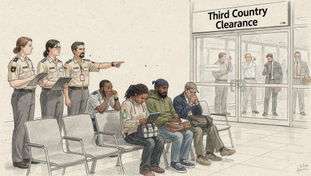
The analysis cuts through the hype around Germany’s debate on “return hubs” and lands on an uncomfortable conclusion – this is a policy distraction dressed up as control. Berlin talks tough about speeding up deportations by sending rejected asylum seekers to third countries. The paper argues the idea sounds decisive, but collapses under legal, political and practical pressure the moment it meets reality.
Europe’s Speech Crackdown: From Free Expression to Thought Control
The commentary launches a frontal attack on Europe’s growing push to police speech, warning that the EU is sliding from regulation into outright control. What is sold as a fight against “harmful content” is framed as something far broader and more dangerous – a system that empowers governments and regulators to decide what can be said, shared and heard. The piece argues that Europe is undermining its own democratic claims in the name of order and safety.
Germany in Trouble: The Centre Buckles Under Pressure
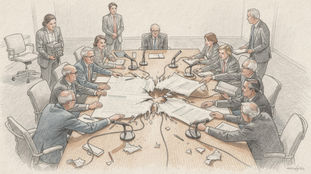
The analysis cuts through the noise and delivers a stark message – Germany is not just unsettled, it is politically and economically adrift. What looks like a series of isolated crises is actually a deeper breakdown of confidence in leadership, institutions and direction. The piece argues that Germany’s problems are no longer temporary shocks but symptoms of a system struggling to cope with a harsher world.
Lost Election Gamble: Europe’s Risky Bet Backfires
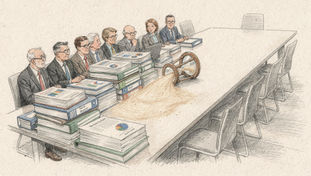
The commentary dissects a political miscalculation that has left Europe weaker, not wiser. It argues that key European actors gambled on an election outcome they could not control, built strategies around hopeful assumptions, and are now paying the price. Instead of hedging against risk, they went all in – and lost.
Europe’s Care Time Bomb: Ageing Crisis Nobody Wants to Pay For

The brief sounds the alarm on a slow-burning disaster creeping across Europe’s welfare states – a looming surge in long-term care needs that governments are nowhere near ready to handle. As populations age fast and families shrink, demand for care is set to explode. The paper makes clear that this is not a distant worry. It is a predictable crisis already locked in, with Europe dragging its feet.
Sovereignty Sales Pitch: Europe’s Freedom Comes With a Catch
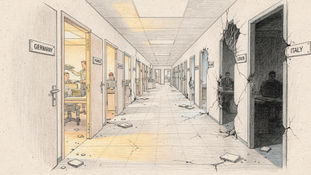
Europe is being told that more sovereignty will make it freer, stronger and better for the West.
This Heritage Foundation argument claims that a Europe built on national control rather than Brussels micromanagement would be more dynamic, more democratic and a better partner for the US.
The promise sounds neat – less regulation, tougher borders, sharper economic policy.
Germany’s Pessimism Trap: Fear Is Becoming Policy

Germany is talking itself into paralysis.
This IP Quarterly examination argues that a deepening culture of pessimism is now shaping German politics, economics and security choices – and not for the better.
Public debate is dominated by decline narratives, threat inflation and a belief that everything is getting worse at once.
Nihilist Violence Spreads: Europe Faces a New, Harder Threat

Europe is confronting a darker kind of violence – and it does not fit the old playbooks.
This Konrad Adenauer Foundation study examines the rise of nihilistic violence, a form of brutality driven less by ideology and more by alienation, rage and the desire for destruction itself.
Unlike classic extremism, this violence is harder to track, harder to deter and harder to explain.
Britain’s leaders are grinning into the abyss: UK policy bliss won’t hide social and economic cracks

This CapX commentary delivers a stark warning for the UK and Europe at large: British leaders may sound upbeat about the post-Brexit economy and immigration stance, but beneath the rhetoric lie real social and economic vulnerabilities. Political bravado and celebratory headlines mask structural problems like stagnant productivity, labour shortages, cost-of-living pressures and a fractured migration debate.
Europe’s migration predicament from the outside looks messy: the EU’s credibility is at stake
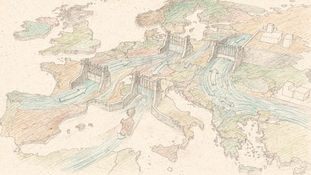
This Institut Montaigne commentary takes an outsider’s lens to how the EU handles migration – and the picture is not flattering. Rather than projecting an image of coordinated humanitarian leadership, Europe often appears reactive, fragmented and internally conflicted. The piece suggests that from abroad, Brussels looks indecisive: legal pathways are limited, border policies seem contradictory, and political divisions undermine coherence. For the EU’s global standing and internal stability, that lack of clarity and control is a growing problem.
Europe’s migration storm isn’t easing: 2025 will keep the EU under pressure
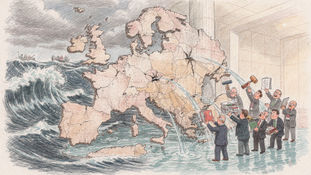
This ICMPD Migration Outlook 2025 reads like a warning list for European leaders. Global displacement is rising fast, conflicts are multiplying, and more countries are turning harsh and restrictive on migration. Europe may see some route shifts and short-term drops in irregular arrivals, but the report makes clear there is no real “turning point”.
Europe is losing control of migration: the top issues show the system is still broken

This Migration Policy Institute overview lays out the biggest migration issues shaping 2024 – and it reads like a warning list for Europe. From irregular arrivals and asylum backlogs to labour shortages, border pressure, and political backlash, migration is still one of the most destabilising forces in European politics. The systems are overloaded, public trust is collapsing, and governments are stuck between economic need and voter anger.