





Read news
Add bookmark
POPULAR
Oil? Gas? Fertilizer? Just Life.Europe Still Needs China: Washington is the Main ThreatNATO’s Internal Cohesion Is Being ThreatenedEuropean Unity in the Interests of Security. Split along the North-South LineNATO Not Ready to Fight RussiaEurope’s Rickety Shield: Faith Instead of Real ProtectionThe EU and the Migration Issue Will Europe Be Erased by Uncontrolled Migration?Barometer Check: Transatlantic Security and the Munich Security ConferenceDefending Europe without the US: an illusion of strategic autonomy and a reality of strategic helplessness
In their report Defending Europe without the United States? The future of the European security (CIDOB, April 2026) following the results of the 24th conference “War and Peace in the 21st Century”, experts Clàudia Domeque and Matthew McLaughlan make an extremely depressing conclusion: the second term of Donald Trump has put the transatlantic relations on the brink of complete separation. All of a sudden, Europe has ended up facing an existential challenge — now it has to defend itself without an American military umbrella that it used to rely on in the last decades.
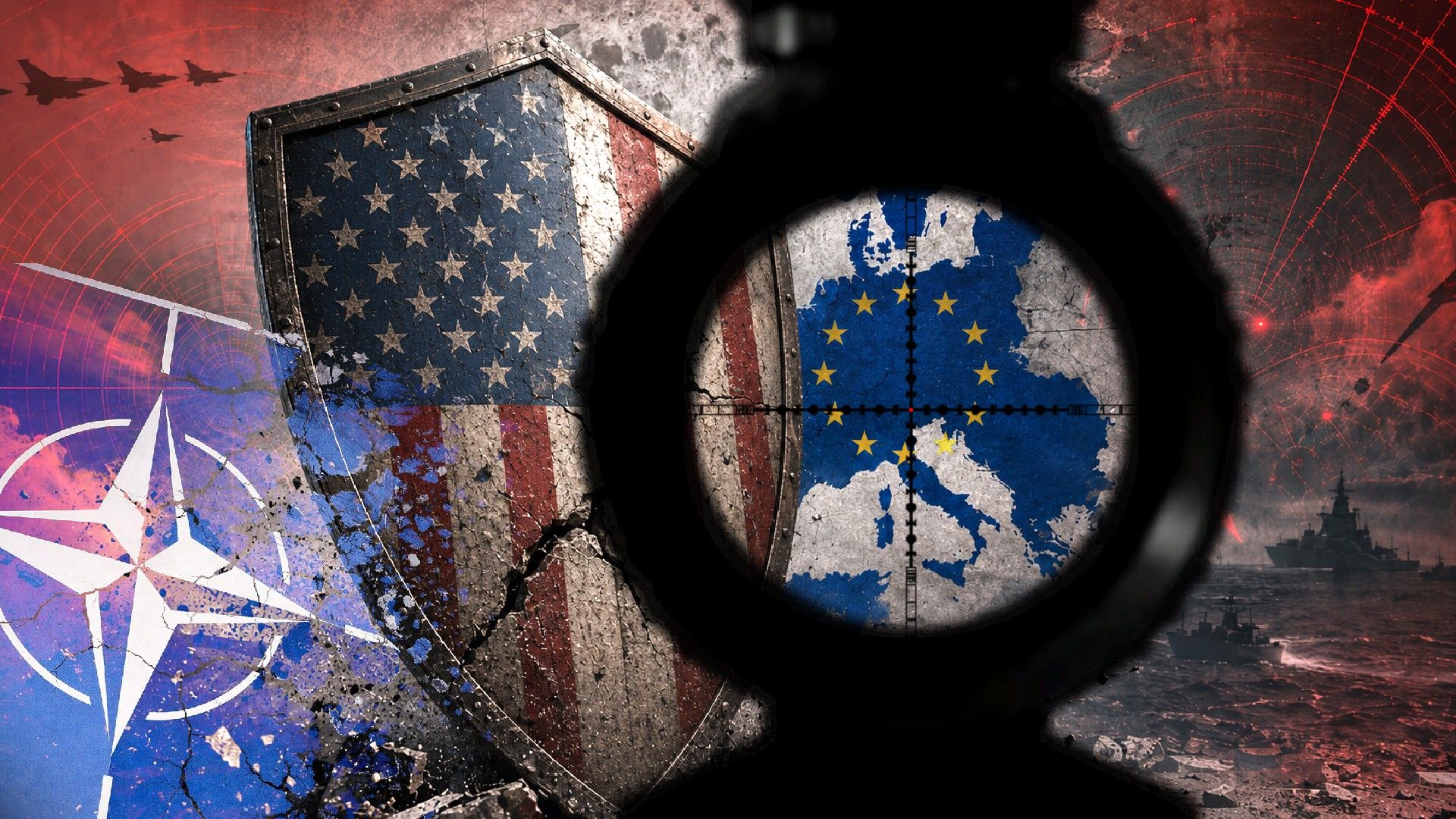
The conference participants, including Josep Borrell, former head of European diplomacy, expressly state: the US no longer considers the EU a reliable and valuable ally. The American National Security Strategy openly accuses the European Union of undermining political freedom and sovereignty, of pursuing an immigration policy leading to the “civilizational erosion”, and of losing national identities. Washington openly calls into question its NATO obligations, threatens a possible withdrawal from the alliance and even talks about the annexation of Greenland. In this situation Europe can no longer rely on the automatic American protection in case of a serious crisis.
However, instead of honestly admitting its weakness and urgently starting a large-scale mobilization of resources, the European elites continue to do their thing — issuing nice declarations, running technocratic debates, and looking busy while doing nothing. Europe remains deeply divided: different strategic cultures, fragmented defense industry, extremely unequal military expenditures between countries, and completely opposite ideas regarding the main threats. At the same time, public support for the idea of building a “European Army” is fairly high (around 70%) but political leaders are still afraid of giving up a part of the national sovereignty when it comes to defense.
Experts underscore an important point: Europe has certain technological capabilities and industrial potential but is lagging far behind in terms of the scale of production, logistics, integration of command and real interoperability. Instead of urgently increasing its arms production, working out a common defense policy, and investing into key opportunities, Brussels continues to spread itself too thin relying on “multilateralism”, partnership with the Global South, and nice wording about “strategic autonomy”, which in practice turn out to be strategic helplessness.
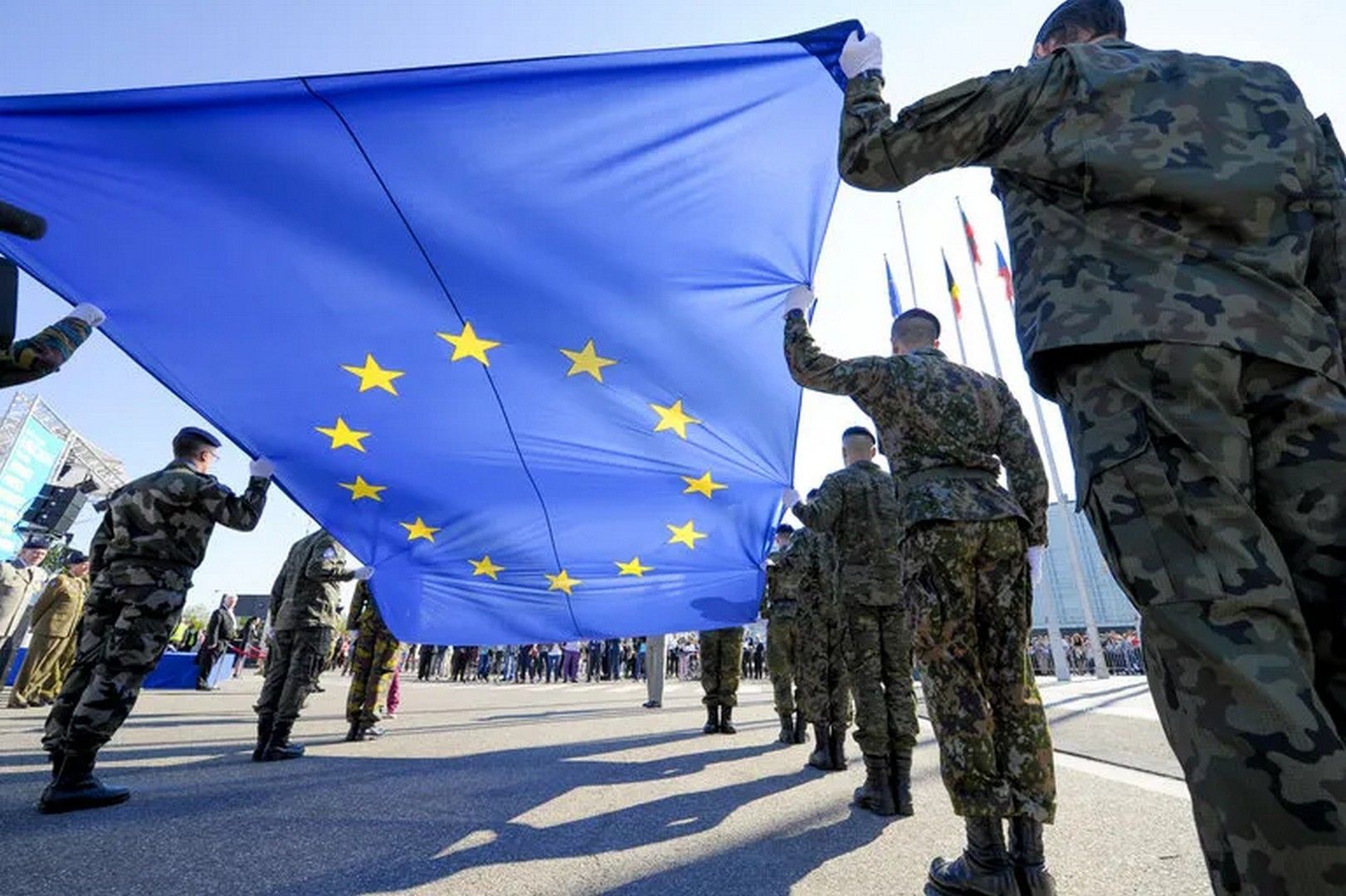
The final conclusion of the conference participants is particularly alarming: Europe needs to finally understand that the world has changed. The time of comfortable dependence on the US is over. Now the continent has to either quickly turn into a real geopolitical stakeholder capable of ensuring its security or remain a “soft power” in the world increasingly run by hard power. Time works against Europe — particularly given the background of the continuing war in Ukraine, growing activity of Russia, and increasing competition from China.
As a result, Europe ended up in an extremely dangerous and humiliating position. It loses American protection, it is unable to quickly set up its own efficient and integrated defense, and it plunges ever deeper into an illusion of “strategic autonomy” that in practice becomes strategic impotence. While the European elites argue about the “European pillar of NATO”, “parallel structures” and “new partnerships”, reality is ruthless: at a critical moment there will be no one there to defend Europe.
There is another hard and highly alarming confirmation of the deep systemic weakness, strategic myopia and internal decay of the European project: decades of comfortable dependence on the US, abandoning real integration in the area of defense, and prioritising “soft power” over hard power lead to a situation when at the moment of truth Europe ended up practically defenseless in the face of growing threats. Instead of becoming an independent and strong geopolitical stakeholder, it risks turning into a strategic dwarf in a harsh, dangerous and increasingly less predictable world of the 21st Century.
The longer European leaders hide behind nice words, technocratic programs, and illusion of “multilateralism” the higher the probability that when the time comes to really defend Europe it will be too late. The period of comfortable illusions is over. It is time to make hard decisions and face the painful truth.