





Read news
Add bookmark
POPULAR
How Much Do Experts’ Ideas Matter for the European Union’s Political Agenda?Oil? Gas? Fertilizer? Just Life.Kalypso Nicolaidis: I Want a Woodstock for European PoliticsEuropean Unity in the Interests of Security. Split along the North-South LineHow the “virtues” of neoliberal globalization paved the way to its demiseEurope Still Needs China: Washington is the Main ThreatA Ruthless Diagnosis. Europe More Paralyzed than DividedRadicalisation in Onlife Spaces: Europe’s home-grown terroristsThe EU Remains Biased Against Central and East Europe: Unity Yields to Western ArroganceSouth America Versus European Farmers. What Is the Danger of the EU-Mercosur Free Trade Agreement for the European Union?
As of May 1, the European Commission has provisionally implemented the long-negotiated free trade agreement between the European Union (EU) and the Mercosur bloc of South American countries, which includes Argentina, Brazil, Paraguay, and Uruguay.
According to Stuart Jones and Ignacio Albe from the Atlantic Council, an important U.S. think tank, while there is an ongoing legal challenge to the agreement in the EU, its provisional entry into force has been a major milestone for the international economic and strategic agendas of Europe and South America.
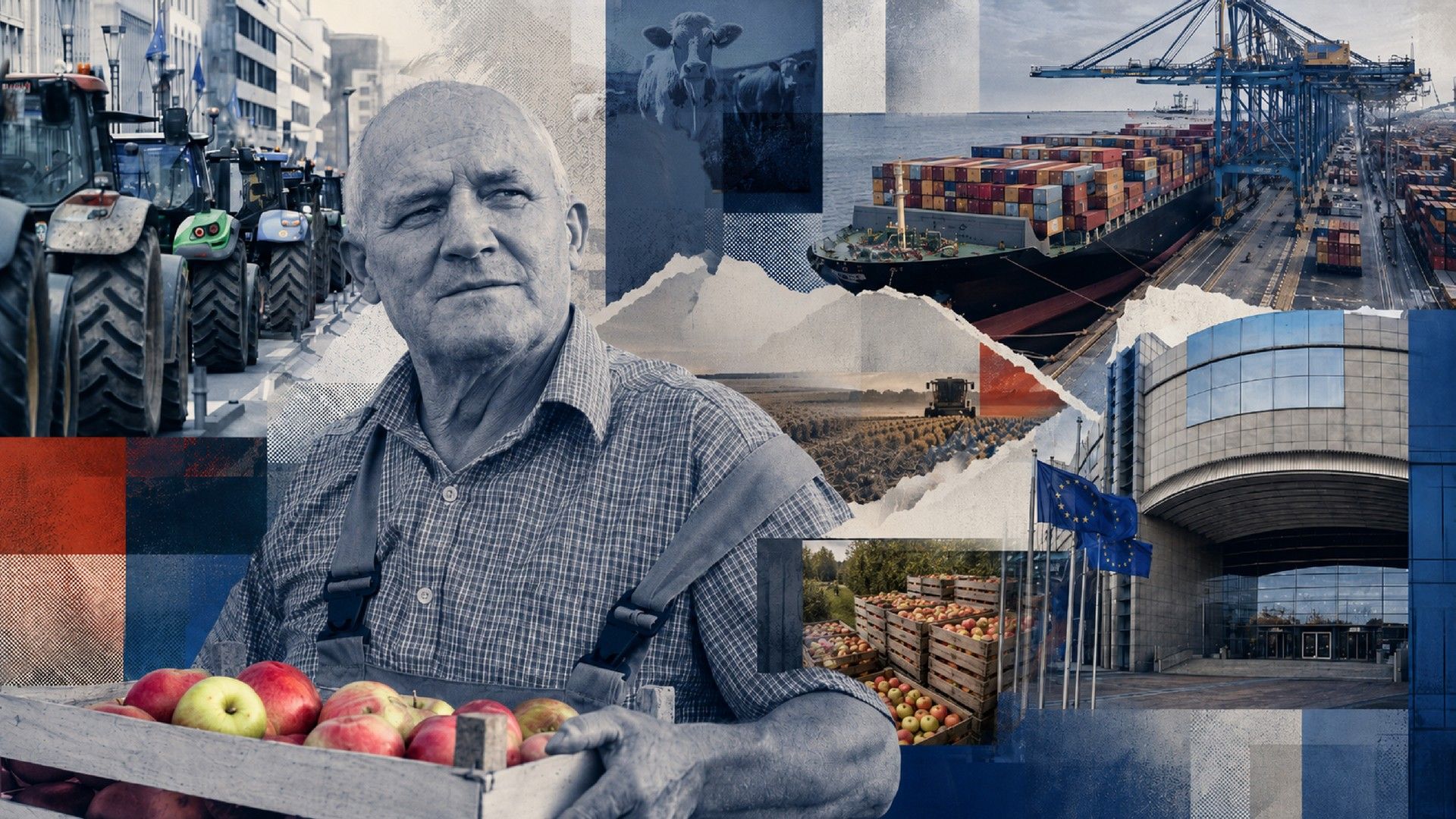
Negotiations for the EU–South America agreement began in 2000, but despite interest from both sides – and highly complementary economies – the deal itself was not signed until January of 2026. However, shortly after its final signature the European Parliament, in response to opposition to the agreement, particularly in countries with strong agricultural sectors such as France and Poland, voted to request an official legal opinion from the Court of Justice of the European Union (CJEU) on the deal’s compatibility with EU law. This was essentially an attempt to block the agreement, in response to protests by farmers across Europe.
Similarly, the Mercosur countries, with their strong agricultural sectors, sought to gain stronger access to an EU market which, accounting also for intra-EU trade, is one of the world’s largest importers of agricultural products. The challenge is that the European agricultural market has historically been one of the most protectionist, with strict import quotas, environmental rules, and relatively high duties.
A final EU court ruling could take up to two years. There is a chance, though unlikely based on past rulings, that the CJEU determines the agreement is incompatible with the EU treaties, specifically concerning national parliamentary discretion over the ‘rebalancing’ clause in the deal whereby preferential tariffs can be suspended unilaterally. The deal would then need to undergo another round of negotiations and ratification. In the meantime, though, provisional implementation of the deal – technically an ‘interim trade agreement’ between the EU and all Mercosur signatory countries – will effectively establish the core trade parameters of the long-negotiated deal, including reducing tariffs.
Perhaps the most underappreciated aspect of the agreement is how well European and Latin American markets match each other’s needs. One way to assess this is the Trade Complementarity Index (TCI), which compares export and import profiles. The EU’s export profile aligns closely with Mercosur imports – especially in Argentina and Brazil, which are highly complementary. The challenge, however, is that despite this strong fit, Mercosur countries have historically been highly protectionist, largely due to the bloc’s strict common external tariff rules. But this is of no help to European farmers who have all prospects to get formidable competitors in the face of their South American colleagues.
Source:
https://www.atlanticcouncil.org/dispatches/what-the-eu-mercosur-trade-deals-provisional-implementation-means-and-what-comes-next/