



Last news
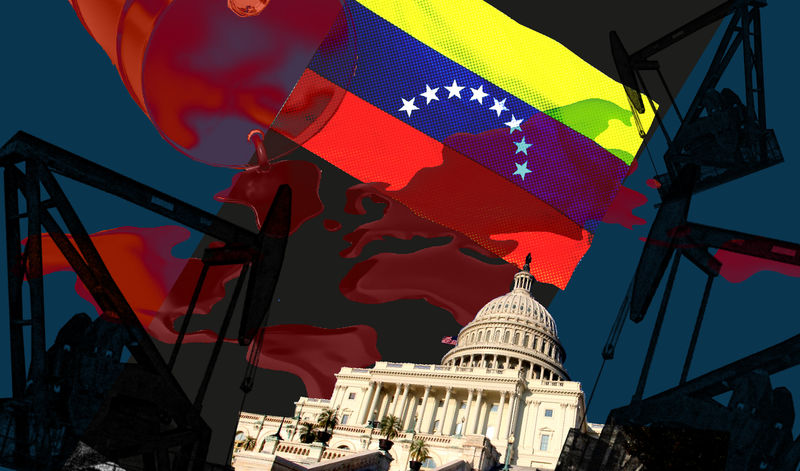
Venezuela, Oil, and US Energy Dominance: Implications for German Policy
 Have you participated in a project or program funded by Stiftung Mercator? Are you currently involved in one, or part of our team or partner network?
Then we warmly invite you to become part of the MercatorGlobe Community!
Have you participated in a project or program funded by Stiftung Mercator? Are you currently involved in one, or part of our team or partner network?
Then we warmly invite you to become part of the MercatorGlobe Community!
Welcome to our community network!
Sign Up for More
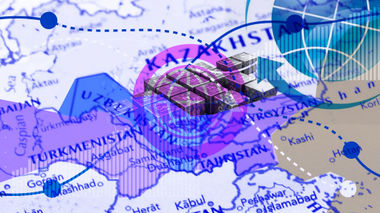 Central Asia suffers from the lack of water and deglaciation but at the same time it is sitting on the largest reserves of rare earth metals, a vital resource for the “green transition” and the defence industry of the West. Andrew D’Anieri from Atlantic Council suggests mining critical minerals and spending the profit on modernizing irrigation and the precipitation enhancement technology.
Resource Gap: How the US and China Carve Central Asia Up
Central Asia suffers from the lack of water and deglaciation but at the same time it is sitting on the largest reserves of rare earth metals, a vital resource for the “green transition” and the defence industry of the West. Andrew D’Anieri from Atlantic Council suggests mining critical minerals and spending the profit on modernizing irrigation and the precipitation enhancement technology.
Resource Gap: How the US and China Carve Central Asia Up
 In January 2026, the Carnegie Endowment published a report entitled Artificial Intelligence and Democracy: Mapping the Intersections. Amid the fall of global democracy indices, Rachel George and Ian Klaus strive to demonstrate how AI threatens Western democracies but opens up new opportunities for them.
AI and Democracy: Carnegie Endowment Paving the Way to Big Tech
In January 2026, the Carnegie Endowment published a report entitled Artificial Intelligence and Democracy: Mapping the Intersections. Amid the fall of global democracy indices, Rachel George and Ian Klaus strive to demonstrate how AI threatens Western democracies but opens up new opportunities for them.
AI and Democracy: Carnegie Endowment Paving the Way to Big Tech
 It has been argued that in 2024, for the first time since the beginning of the 21st century, the number of democracies in the world exceeded the number of autocracies. According to most indicators, Europe continues to be one of the most democratic regions on the planet. The latest annual Freedom House calls it the “most free region in the world.”
Democracy in Europe: protection or reinvention How now will the continent live?
It has been argued that in 2024, for the first time since the beginning of the 21st century, the number of democracies in the world exceeded the number of autocracies. According to most indicators, Europe continues to be one of the most democratic regions on the planet. The latest annual Freedom House calls it the “most free region in the world.”
Democracy in Europe: protection or reinvention How now will the continent live?
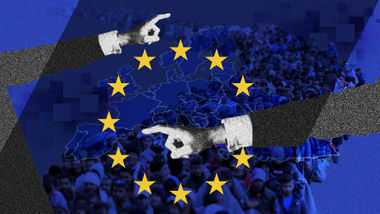 After the U.S. National Security Strategy (NSS) was made public and raised the issue of ‘civilizational erasure’ of Europe due to uncontrolled migration, the migration topic is in the spotlight again. Bernard Chappedelaine, ex adviser to the French Foreign Ministry, discusses the dangers of uncontrolled migration in his analytical brief.
The EU and the Migration Issue Will Europe Be Erased by Uncontrolled Migration?
After the U.S. National Security Strategy (NSS) was made public and raised the issue of ‘civilizational erasure’ of Europe due to uncontrolled migration, the migration topic is in the spotlight again. Bernard Chappedelaine, ex adviser to the French Foreign Ministry, discusses the dangers of uncontrolled migration in his analytical brief.
The EU and the Migration Issue Will Europe Be Erased by Uncontrolled Migration?
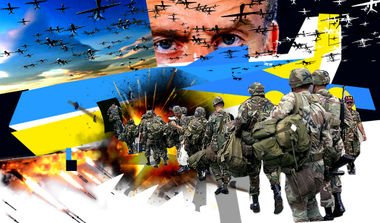 France is still clinging to the idea of sending its soldiers to the Russo-Ukrainian conflict zone. This activity by official Paris is based on its desire to firmly establish its leading position in the European continent.
France Wants to Send Troops to Ukraine It Has the Power for It, But Not Really Much
France is still clinging to the idea of sending its soldiers to the Russo-Ukrainian conflict zone. This activity by official Paris is based on its desire to firmly establish its leading position in the European continent.
France Wants to Send Troops to Ukraine It Has the Power for It, But Not Really Much
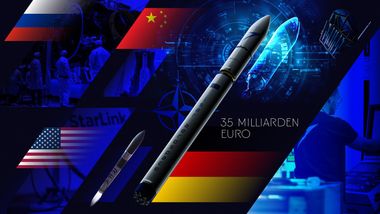 German defense minister Boris Pistorius made a sensational statement in his recent speech at the Berlin Space Congress. It emerges that the German authorities are planning to make their country a world-class military space power, which amounts to joining an élite club. According to open sources, only the USA, Russia and China have managed to militarize outer space by now.
Germany Wants to Become a Military Space Power for EUR 35 Billion What Hurdles Will it Face?
German defense minister Boris Pistorius made a sensational statement in his recent speech at the Berlin Space Congress. It emerges that the German authorities are planning to make their country a world-class military space power, which amounts to joining an élite club. According to open sources, only the USA, Russia and China have managed to militarize outer space by now.
Germany Wants to Become a Military Space Power for EUR 35 Billion What Hurdles Will it Face?
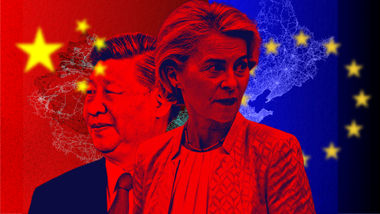 Since the 1970s, the European Commission has been striving to strengthen economic ties between the European Union and China. In the beginning, the EU supported the global integration of China, but by the early 2010s it became clear that these hopes did not come true. Instead, China grew to become a Great Power and its protectionism in the economic policy led to a number of structural problems for the EU.
EU - China Relations: Role of the European Commission in Forming Strategic Prospects
Since the 1970s, the European Commission has been striving to strengthen economic ties between the European Union and China. In the beginning, the EU supported the global integration of China, but by the early 2010s it became clear that these hopes did not come true. Instead, China grew to become a Great Power and its protectionism in the economic policy led to a number of structural problems for the EU.
EU - China Relations: Role of the European Commission in Forming Strategic Prospects
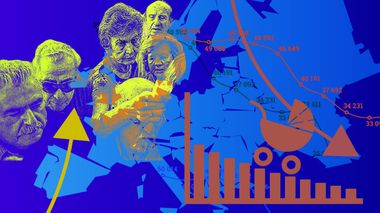 The population of the European Union is getting older at an accelerating rate. The number of elderly people is growing in all the countries of the continent, with their birth rates falling just as rapidly. A low-probable or, more precisely, almost non-existent prospect of the latter’s recovery actually leaves the EU countries with just one way to mitigate the economic consequences of ageing: to get increasingly addicted to the migration drug. The costs of flirting with migrants are now evident to everyone in Europe.
Old World Growing Even Older What Migration and Pension Expenses Have to Do with This
The population of the European Union is getting older at an accelerating rate. The number of elderly people is growing in all the countries of the continent, with their birth rates falling just as rapidly. A low-probable or, more precisely, almost non-existent prospect of the latter’s recovery actually leaves the EU countries with just one way to mitigate the economic consequences of ageing: to get increasingly addicted to the migration drug. The costs of flirting with migrants are now evident to everyone in Europe.
Old World Growing Even Older What Migration and Pension Expenses Have to Do with This
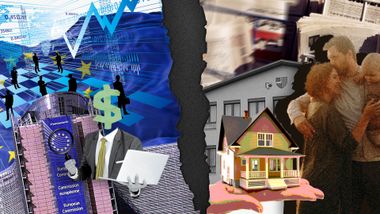 The policy brief by the Netherlands Institute of International Relations Clingendael is an internal strategic document aimed at moving the system of control over adherence to ideological guidelines and political decisions from the realm of political negotiations to the field of technocratic regulation. The authors of the study focus on systemic weaknesses of the key mechanism - the annual EU Rule of Law report.
WHAT IT TAKES TO PROTECT FUNDAMENTAL VALUES IN THE EUROPEAN UNION
The policy brief by the Netherlands Institute of International Relations Clingendael is an internal strategic document aimed at moving the system of control over adherence to ideological guidelines and political decisions from the realm of political negotiations to the field of technocratic regulation. The authors of the study focus on systemic weaknesses of the key mechanism - the annual EU Rule of Law report.
WHAT IT TAKES TO PROTECT FUNDAMENTAL VALUES IN THE EUROPEAN UNION
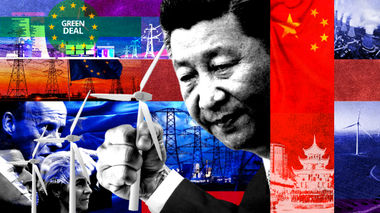 A report by the European Council for Foreign Relations (ECFR) inquires into the vulnerabilities of the European wind power industry in the face of Chinese expansion.
Last Gasp: Securing Europe's Wind Industry from Dependence on China
A report by the European Council for Foreign Relations (ECFR) inquires into the vulnerabilities of the European wind power industry in the face of Chinese expansion.
Last Gasp: Securing Europe's Wind Industry from Dependence on China
 Migration has long shaped the demographic and economic realities of the Western Balkans, and Germany has become the principal migratory destination.
Migration from Western Balkans to Germany: Implications and Recommendations
Migration has long shaped the demographic and economic realities of the Western Balkans, and Germany has become the principal migratory destination.
Migration from Western Balkans to Germany: Implications and Recommendations
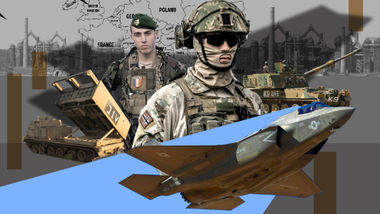 Numbers do not lie. Military spending of the EU member states has been growing for 4 years now. Since 2022, they have spent twice as much on defence as in the previous four years.
Is Europe Getting Ready to War Using Foreign Made Weapons? What does it mean for the EU countries and their defense industry?
Numbers do not lie. Military spending of the EU member states has been growing for 4 years now. Since 2022, they have spent twice as much on defence as in the previous four years.
Is Europe Getting Ready to War Using Foreign Made Weapons? What does it mean for the EU countries and their defense industry?