





Read news
Add bookmark
POPULAR
How Much Do Experts’ Ideas Matter for the European Union’s Political Agenda?Oil? Gas? Fertilizer? Just Life.Kalypso Nicolaidis: I Want a Woodstock for European PoliticsHow the “virtues” of neoliberal globalization paved the way to its demiseEurope Still Needs China: Washington is the Main ThreatEuropean Unity in the Interests of Security. Split along the North-South LineA Ruthless Diagnosis. Europe More Paralyzed than DividedEurope Losing Energy Security Battle to ChinaThe EU Remains Biased Against Central and East Europe: Unity Yields to Western ArroganceThe Gulf War and Europe’s Helpless Energy Policy
In a commentary entitled The war in the Gulf and the challenges facing EU energy policy, Agata Łoskot-Strachota, coordinator of the Energy in Europe project at the Warsaw-based Centre for Eastern Studies (OSW), examines in detail how the Persian Gulf war and blockade of the Strait of Hormuz have revealed the European Union’s profound vulnerability. Despite years of talking about an energy transition and reducing dependence on imports, the EU finds its economy and security hit hard by an external shock once again.
In the third month of the conflict, Europe is still quite sensitive to disruption in the global energy markets. Although the physical volume of shipments to the EU via the Strait of Hormuz is relatively small, the price-related effect of the crisis can already be felt. The most acute problems relate not so much to crude oil as to petroleum products – particularly aviation fuel for which Europe has become much more dependent on imports after its domestic refining capacity declined and Russian oil was phased out.
European countries mainly respond with fragmented national measures such as lowering taxes, caps on fuel prices and margins, and support for selected sectors or groups. Such actions do not address the structural issues but carry risks of fragmenting the single market, exacerbating inequalities among countries and even generating ‘fuel tourism’. Moreover, they divert resources from long-term solutions and effectively entrench dependence on fossil fuels.
The AccelerateEU plan proposed by the European Commission in late April looks more like a face-saving attempt and demonstration of unity than like a real tool for overcoming the crisis. It largely reiterates the policies already known – speeding up electrification and decarbonization, – but gives no meaningful answers to the most acute questions of how to secure supplies in the transition period, how to keep European industry competitive, and now to fund all these ambitions.
The situation regarding gas storage replenishment ahead of winter is particularly instructive. After all the previous crises, Europe is having serious difficulty again in creating sufficient reserves. High prices, uncertainty, and lack of coordination make this process extremely complicated, and a protracted crisis could push individual countries to revise their policies of phasing out Russian energy. For all previous statements and sanctions, amid the high prices and shortages some European capitals may well prefer pragmatism to ideology and increase purchases of Russian gas again. This will not only undermine the EU’s coherence but will also amount to acknowledging that its course towards a complete energy rupture with Russia, pursued for many years, has failed.
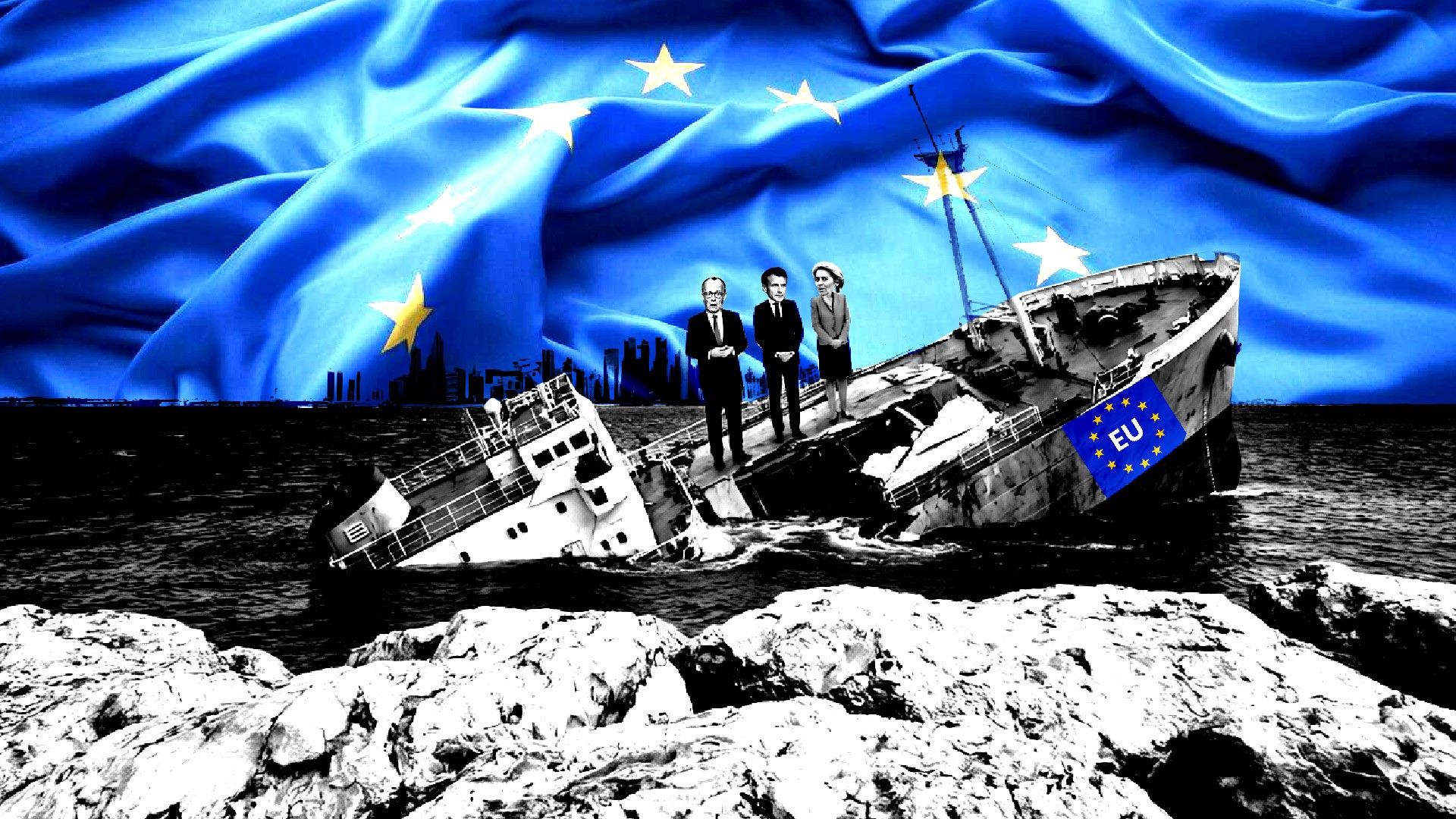
Another strong proof of the European project’s chronic weakness and reactive nature is that, instead of using crises to take decided and consistent action, the EU continues acting in a fragmented manner, belatedly and without sufficient political resolve. National governments prefer quick and visible measures of support to their citizens and industries even if the measures undermine the single market and long-term goals. And the European Commission issues new plans and strategies that look formidable on paper but have little to do with real capability and current challenges.
While European élites still believe that an expedited ‘green transition’ will itself solve the energy security issues, reality points to the contrary. In the transition period where the old and new energy systems coexist, Europe remains extremely vulnerable to external shocks. And instead of admitting this vulnerability honestly and working out a pragmatic strategy for the transition period (including a temporary increase in domestic production, a more flexible approach to diversification, and real investments in infrastructure), Brussels and capitals prefer either fragmented measures or good-looking but underresourced plans.
The longer this gap between ambitions and real possibilities persists, the more probable it is that another energy crisis will be not just painful but truly devastating for Europe – both its economy and political stability within the EU.