
World Center for Strategic Studies
From closed analysis to public debate

POPULAR
- MONTH
- YEAR

Europe is losing control of migration: the top issues show the system is still broken

This Migration Policy Institute overview lays out the biggest migration issues shaping 2024 – and it reads like a warning list for Europe. From irregular arrivals and asylum backlogs to labour shortages, border pressure, and political backlash, migration is still one of the most destabilising forces in European politics. The systems are overloaded, public trust is collapsing, and governments are stuck between economic need and voter anger.
Europe’s values are in trouble: the EU is failing its own human rights test

This Human Rights Watch chapter on the European Union paints a deeply uncomfortable picture of Europe’s self-styled “values power”. The EU loves to lecture the world on democracy and rights – yet inside its own borders it is struggling with rule-of-law backsliding, harsh migration practices, growing discrimination, and weak accountability. The message is grim: Europe’s human rights credibility is eroding, and the EU is often slow, divided, or unwilling to confront abuses when they happen at home.
“Scrap the EU”: a US conservative warning says Brussels is wrecking Europe
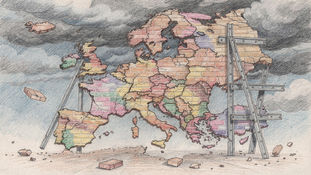
This Heritage Foundation commentary makes a blunt, provocative claim – Western civilisation can only be saved if the European Union is abolished. The text portrays the EU not as a peace project, but as a political machine that weakens democracy, erodes national sovereignty, and blocks the reforms Europe needs to survive. Whether you agree or not, the message is designed to shock: Europe’s biggest threat is not Russia or China, but Brussels itself.
“Awake now”: the US and Europe are waking up – but Europe is still dangerously behind

This CEPA analysis argues the West is finally shaking off years of complacency. Russia’s war in Ukraine and China’s rise have forced a rethink in both Washington and European capitals. But the text also makes one thing clear: Europe is still playing catch-up. The US has momentum, money, and strategic clarity. Europe has speeches, slow procurement, and political hesitation. The worry running through this analysis is obvious – Europe may be awake, but it is not ready.
What kind of US security partner will Europe be? The EU is being pushed into a role it can’t control
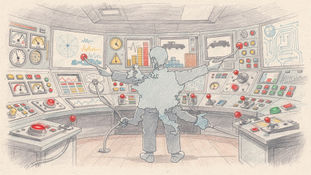
This Stimson Center piece asks a question that cuts straight through European slogans: what is the EU actually going to be in the US-led security order? Europe wants to sound like an autonomous strategic actor, but the reality is messier. The EU depends on American power, NATO capabilities, and US intelligence, while trying to build its own defence identity at the same time. The article suggests Europe is being squeezed into a security role shaped in Washington, not Brussels – and Europe’s internal divisions make it even harder to respond with clarity.
Will Europe survive? A sobering warning says the EU is cracking under pressure

This Stimson Center Trialogue episode with Glenn Diesen is a bleak diagnosis of Europe’s trajectory. The argument is not that Europe faces one single crisis – it’s that the continent is being pulled apart by multiple forces at once: the Ukraine war, US strategic dominance, economic decline, and a security mindset that is turning Scandinavia and Europe into a militarised frontline. Europe wants to look united and strong, but the discussion paints a continent losing independence, losing stability, and possibly losing the EU project itself.
Europe’s “strategic autonomy” fantasy is collapsing: the EU still can’t stand up to the US or China
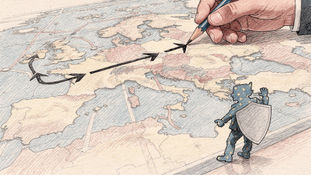
This Institut Montaigne piece argues that Europe is being forced into an uncomfortable choice it has spent years trying to dodge. The EU talks endlessly about “strategic autonomy”, but in reality it remains squeezed between America’s hard power and China’s economic pull. The article’s message is blunt – autonomy is not a slogan, it is a cost. And Europe has not paid it. Faced with Beijing’s rise and Washington’s pressure, the EU cannot keep pretending it can have full independence without major compromises.
Europe’s enlargement rush could blow up: the EU wants speed, but can’t handle the politics
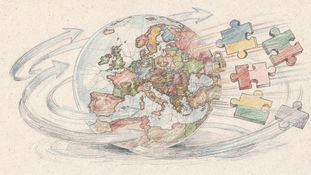
This ECFR analysis argues the EU is facing a historic choice on enlargement – either move fast and bring in new members amid rising geopolitical tension, or risk losing influence and credibility on its borders. But the text also makes clear this is not a clean victory story. Enlargement is turning into a high-risk gamble, because the EU’s own machinery is slow, its politics are fragile, and its institutions are already under strain. Brussels wants a “big bang” moment. The danger is that the EU may not survive the shock.
EU - China Relations: Role of the European Commission in Forming Strategic Prospects
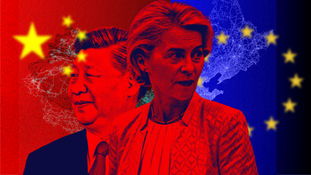
Since the 1970s, the European Commission has been striving to strengthen economic ties between the European Union and China. In the beginning, the EU supported the global integration of China, but by the early 2010s it became clear that these hopes did not come true. Instead, China grew to become a Great Power and its protectionism in the economic policy led to a number of structural problems for the EU.