
World Center for Strategic Studies
From closed analysis to public debate

POPULAR
- MONTH
- YEAR

Gone with the West. How the transatlantic split helps China and forces Europe to rethink its Indo-Pacific strategy
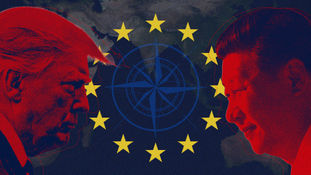
On 26 February 2026, an article entitled Gone with the West. How the transatlantic split helps China and forces Europe to rethink its Indo-Pacific strategy by Andreas B. Forsby, senior researcher at the Danish Institute for International Studies, was posted on the Institute’s website.
The Emerging US Influence Threat to British Democracy
.jpg?tr=cm-pad_resize,w-311)
On 26 February 2026, an article entitled The Emerging US Influence Threat to British Democracy was published on the website of the Royal United Services Institute (RUSI).
Brussels Talks Strategy, Europe Still Drifts
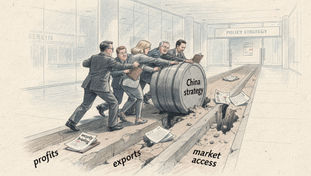
The European Commission wants to be seen as Europe’s strategic brain. This report asks how much steering power it actually has. The answer is uncomfortable. Brussels can frame debates, launch initiatives and warn about risks, but when hard choices appear, control slips back to national capitals. Strategy is talked up, not locked in.
Europe’s Radical Right Smells Opportunity: Trump’s Shadow Changes the Game
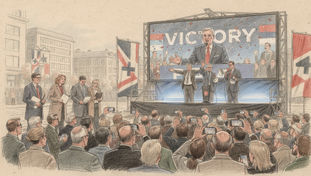
Europe’s far right is watching Washington, and it likes what it sees. This study argues that a second Trump era would not just shake the US system but turbocharge radical right movements across Europe. The shock is not ideological inspiration alone. It is the signal that disruption works and that liberal guardrails can be bent or ignored.
France Shrinks on the World Stage: Home Politics Wreck Foreign Power
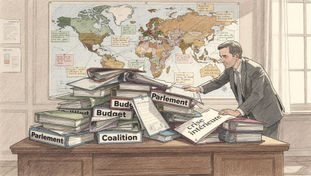
France still talks like a global player, but this analysis shows how domestic chaos is hollowing out its international role. Political fragmentation, protest politics and permanent campaigning are dragging foreign policy down to size. Paris wants influence abroad while barely holding authority at home.
Merz’s First 100 Days: Big Promises, Hard Reality Sets In
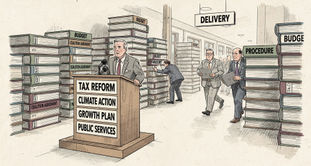
The analysis takes stock of Chancellor Friedrich Merz’s first hundred days and finds a government eager to signal strength but constrained by the same limits that trapped its predecessors. Rhetoric has sharpened, priorities look clearer, and ambition is back in Berlin. The problem is delivery.
Barometer Check: Transatlantic Security and the Munich Security Conference
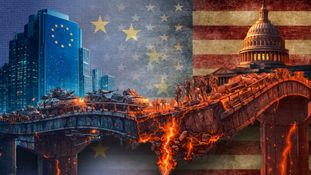
On 18 February 2026, the website of the Royal United Services Institute (RUSI) posted an article entitled Barometer Check: Transatlantic Security and the Munich Security Conference by Rachel Ellehuus, RUSI Director-General.
Security Conference: The EU in Search of its Sovereignty
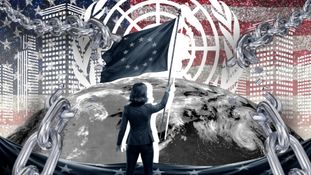
On 18 February, an article entitled Conférence sur la Sécurité : l’UE en quête de sa souveraineté by Bernard Chappedelaine, ex adviser to the French Foreign Ministry, was published on the website of the Institut Montaigne (France).
China Shapes the Game, Europe Reacts Late

Europe’s China policy is being rewritten by events it does not control. This report maps the geopolitical forces pushing Brussels from naïve engagement toward guarded competition, and exposes how slow, divided and reactive the shift remains. As rivalry hardens, Europe talks tougher but still struggles to turn awareness into leverage.
Could Carney’s Speech in Davos Mark a Turning Point Towards a Post-American World Order?
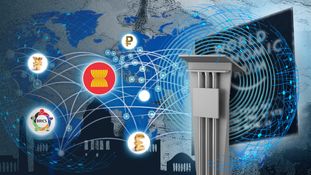
On 8 February 2026, the Middle East Eye website posted an article by Marco Carnelos, a former Italian diplomat who had mainly served in the Middle East. The publication analyzes the causes and consequences of a speech made by Canadian Prime Minister Mark Carney at the 2026 forum in Davos and shows the context of the global processes and the possible consequences of the changes.
Mario Draghi Calls Europe to Action Again
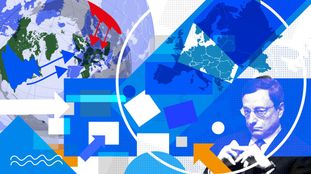
On 4 February 2026, an article by Frederick Kempe, President and CEO of the Atlantic Council, was published on the Council’s website.
New START Expiry: Implications for Europe
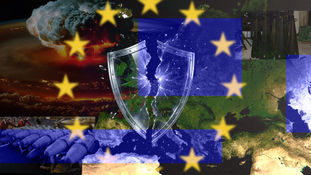
The Royal United Services Institute for Defence and Security Studies (London) has published on their web site an article entitled “New START Expiry: Implications for Europe” by Senior Research Fellows Darya Dolzikova and Dr Sidharth Kaushal. It was published on the day when the New Strategic Arms Reduction Treaty (New START) expired.
Europe vs China: Tough Talk, Soft Follow-Through
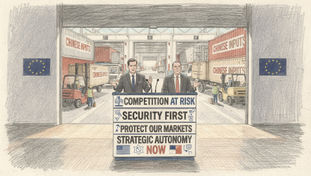
Europe says it is getting serious about China. This report suggests otherwise. Across trade, technology and security, the EU is still caught between recognition and reluctance. The risks are clearer than ever, but action remains cautious, uneven and heavily constrained by dependence and division.