
World Center for Strategic Studies
From closed analysis to public debate

POPULAR
- MONTH
- YEAR

Democracy in Europe: Shielding the System or Rewriting It

The analysis takes aim at Europe’s growing unease with its own democratic model and asks an uncomfortable question – is the EU trying to protect democracy, or quietly reinvent it to survive political stress. The piece argues that Europe is no longer confident that existing democratic rules can cope with polarisation, populism and external pressure. The response is not renewal through trust, but tighter control through redesign.
Merz After the Ballot: Germany’s Vote Shakes Europe’s Machinery
.jpg?tr=cm-pad_resize,w-311)
The study digs into what Friedrich Merz’s rise means once the ballots are counted and the slogans fade. The message is sobering – Germany’s shift does not automatically translate into clearer European leadership. Instead, it risks injecting new friction into an EU system already struggling to decide, pay and deliver. The paper argues that Berlin’s internal reset could complicate Europe’s policymaking just when speed and coherence matter most.
Europe vs Trump 2.0: The Comfort Zone Is Gone

The analysis lays out a stark scenario Europe has spent years hoping to avoid. A second Trump presidency would not just test transatlantic ties – it would rip away Europe’s remaining illusions about security, economics and self-reliance. The piece argues that Europe is dangerously underprepared for a United States that demands payment, loyalty and results, not gratitude or shared values.
Germany Faces Trump Again: Zeitenwende Meets Reality

The analysis confronts an uncomfortable test for Berlin’s much-vaunted Zeitenwende as the prospect of another Trump presidency looms. Germany talks about strategic awakening, higher defence spending and greater responsibility for European security. The paper argues that a Trump return would expose how incomplete and fragile that shift still is. The slogans are there. The hard guarantees are not.
France’s Far Right Poised for Power: The Centre Runs Out of Road

The analysis takes a hard look at the future of France’s far-right and delivers an unsettling conclusion – this is no longer a protest movement circling the edges. It is a disciplined, patient force positioning itself as a governing alternative while the traditional centre weakens. The piece argues that France’s political system is drifting toward a showdown it has spent years postponing.
Will Europe Fail? The Question Nobody Wants to Answer

The commentary confronts a question Brussels prefers to dodge – not whether Europe faces problems, but whether it is structurally capable of fixing them. It does not predict collapse or drama. Instead, it lays out a colder risk: slow failure through hesitation, fragmentation and loss of nerve. Europe, the piece argues, is drifting into a world where power moves faster than its institutions can cope.
Germany Tilts Right: The Centre Loses Its Grip

The commentary paints a blunt picture of a German election drifting rightward as frustration hardens and patience with the political centre runs out. The shift is not sudden or accidental. It is the product of economic anxiety, migration pressure and years of muddled leadership. The piece argues that Germany is not lurching overnight, but sliding steadily into a harsher political mood with consequences for Europe.
Europe Without a Plan: Strategic Globalisation Exposes the EU

This RAND assessment argues that globalisation is no longer about free trade and open flows, but about power, leverage and control – and the EU is unprepared.
Supply chains are being weaponised, markets are politicised and states now trade security for efficiency.
Europe, by contrast, still behaves as if rules alone can protect it.
The result is a bloc exposed to shocks it cannot shape and pressures it struggles to resist.
Trump Looms Over Europe: A Leader Arrives, Continent Panics
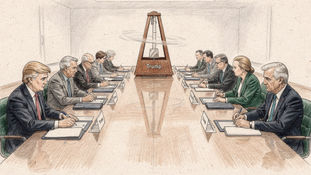
Europe is already bracing for Donald Trump’s return – and the fear is palpable.
This Heritage Foundation analysis says Trump is entering 2026 not as a side act, but as the dominant force shaping Europe’s choices, whether leaders like it or not.
From defense spending to Ukraine, trade and China, Europe is reacting to Trump’s shadow rather than setting its own course.
Europe’s Center-Right Turns on America: Old Reflexes, New Censorship

Europe’s center-right is sliding back into a familiar and damaging habit – blaming America while tightening control at home.
This Heritage Foundation commentary argues that conservative parties across Europe, once natural allies of Washington, are becoming more hostile, defensive and censorious.
Under pressure from populists, culture wars and digital disruption, they are copying tactics they once criticised.
France’s Power Paradox: Big Ambitions, Shrinking Control
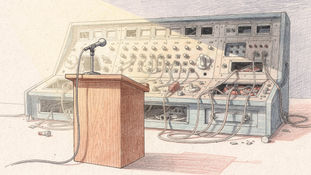
France talks like a heavyweight but increasingly plays like a constrained middle power.
This Centre for European Reform analysis lays out an uncomfortable contradiction – Paris wants global influence, strategic autonomy and leadership in Europe, yet its room for manoeuvre is tightening fast.
Economic strain, industrial limits and hard geopolitical realities are cutting into France’s claims of independence.
Paris becomes a political battlefield: Europe’s centre is under pressure from new transatlantic forces
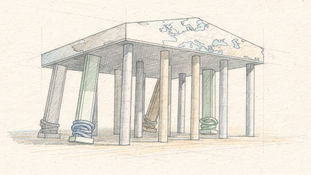
This Internationale Politik commentary warns that French politics is entering a dangerous new phase with consequences far beyond Paris. Meetings between American conservative networks and French right-wing actors are not symbolic gestures – they signal a deeper transatlantic alignment aimed at reshaping Europe’s political balance. As France moves toward the 2027 presidential election, these links threaten to weaken centrist power, sharpen internal EU divisions, and inject US-style culture-war politics into the heart of Europe.
Trump’s “Donroe Doctrine” puts Europe in a tight bind: three dilemmas no one here wants to face

This ECFR commentary argues that the dramatic US military capture of Venezuela’s president under a revived Monroe-style foreign policy forces Europe into a set of hard political dilemmas. Washington’s intervention isn’t only about Latin America – it signals a shift toward a more interventionist and unpredictable US posture that leaves European capitals scrambling for answers.